




Download a Free Template Pack
based on your custom filters






















































































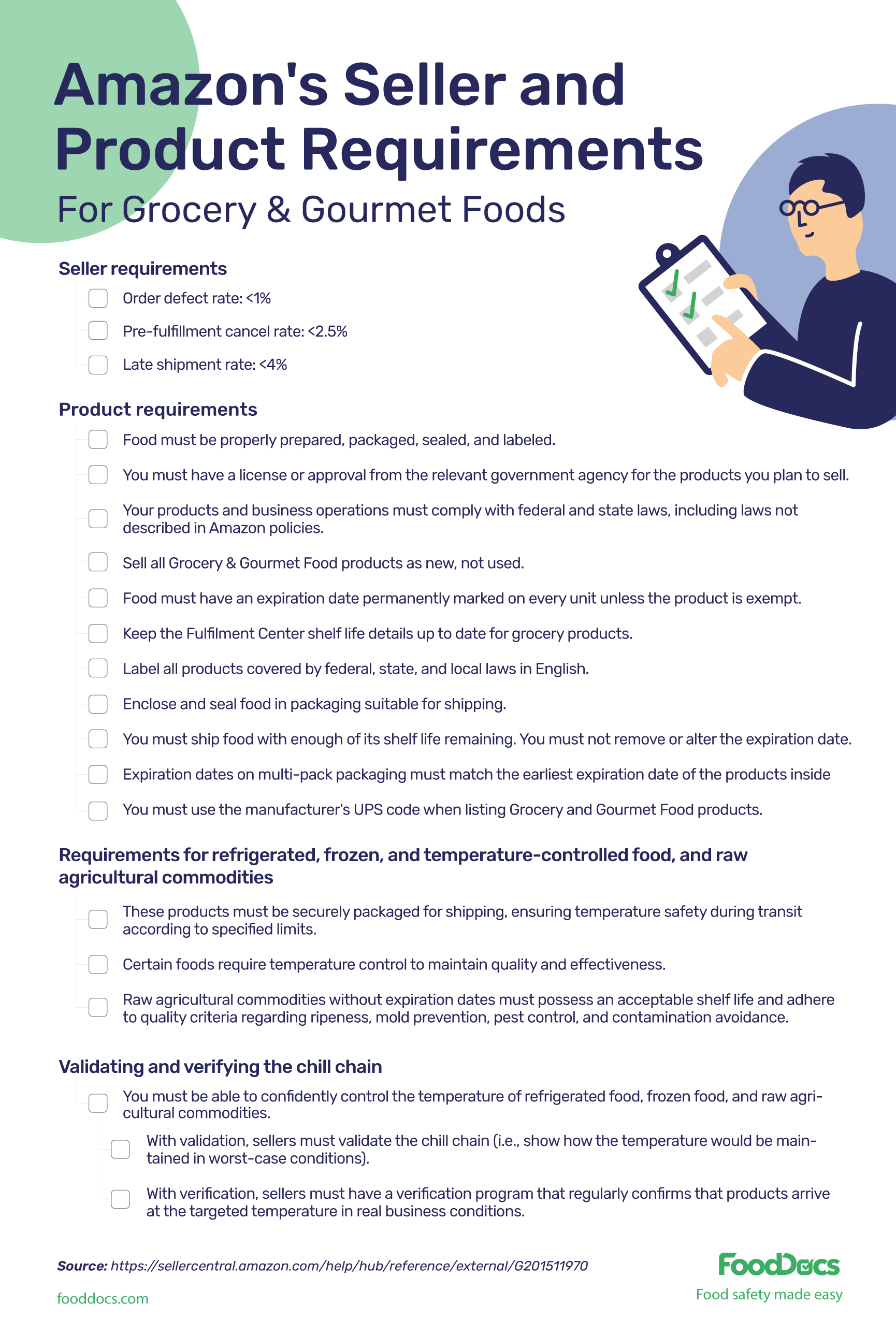





























Food safety posters: visual reminders for best practices
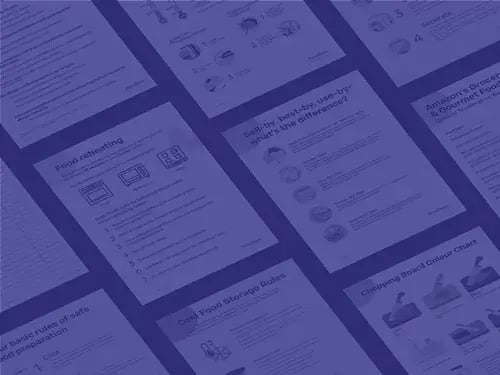
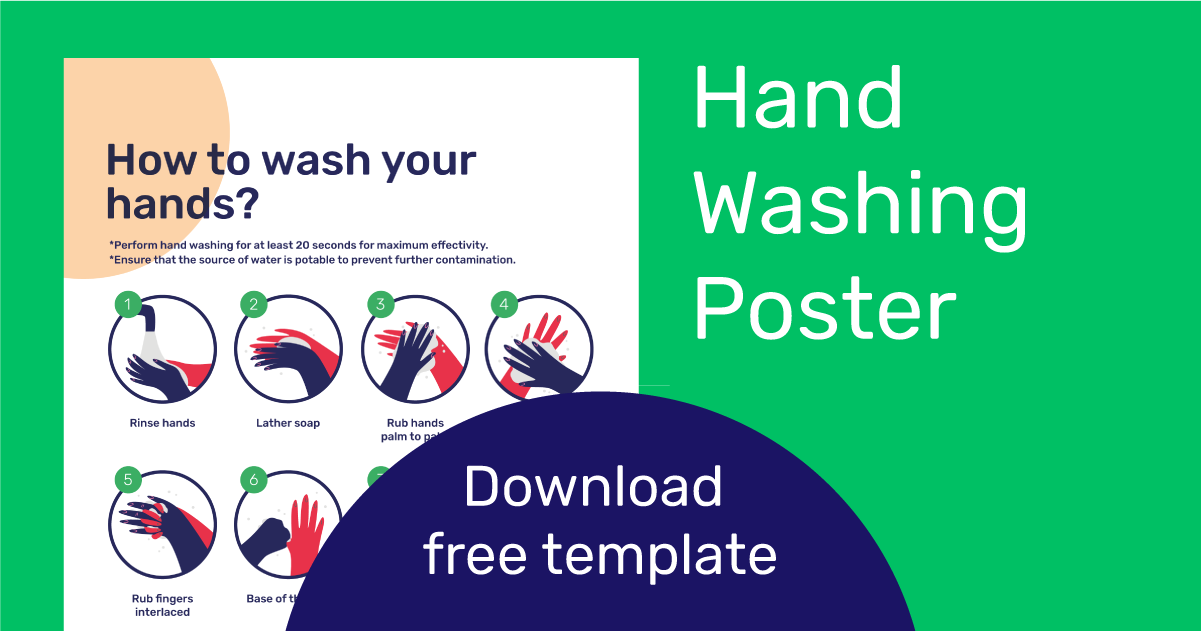
Visual aids like our Kitchen Safety Poster and Hand Washing Poster are crucial in reinforcing proper food handling practices and hygiene practices. Display these posters at strategic points in the kitchen and dining areas of your food establishment to remind staff of essential procedures like handwashing, correct food storage, and cross-contamination prevention, which are pivotal in preventing food contamination.
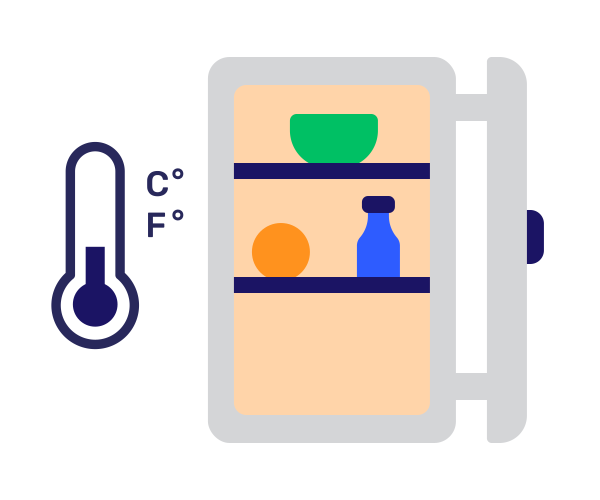
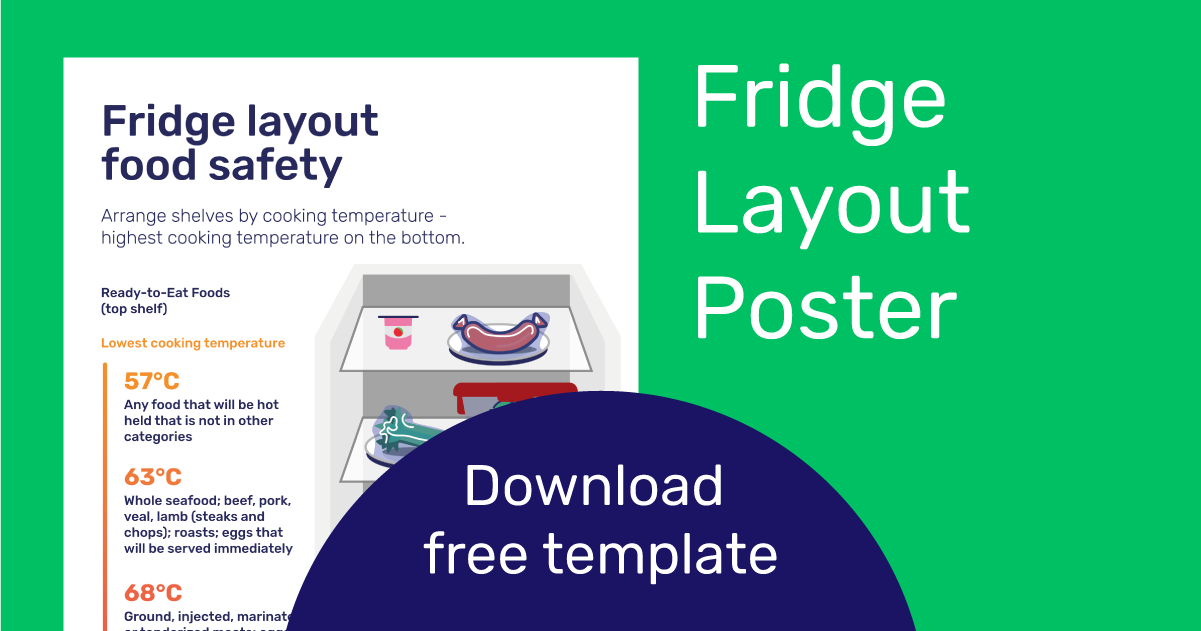
Our Fridge Layout Poster and Food Cooling Poster are specifically popular for helping staff understand the correct storage and cooling processes, essential for maintaining proper temperature and critical for food safety in any food service operation. These signs with symbols provide quick, clear food safety tips and reinforce standard food safety procedures aligned with UK food hygiene guidance.
For example, many restaurant groups place hand washing posters near prep sinks and staff entrances to improve consistency during busy lunch and dinner service
Customizable food safety templates: streamline your safety processes
Our customizable templates are essential tools for comprehensive food safety management, allowing you to manage food safety protocols effectively. For example, the Food Safety and Sanitation Template and the SSOP Template enable you to tailor your cleanliness standards to meet food safety requirements and regulatory needs.
The Opening and Closing Checklist Template and Restaurant Opening Checklist Templates are crucial in ensuring that all aspects of your operation are reviewed and ready for business each day, aligning with health department guidelines and risk-based preventive controls. These templates are especially useful for restaurant groups, care homes, hotels, and central kitchens where consistency across teams is critical.
Comprehensive food safety checklists: your daily compliance partners
Use the Restaurant Cleaning Checklist to maintain a clean and safe environment daily. The Health Inspection Checklist is designed to align with local health codes to prepare for unexpected visits, supporting regular inspections and adherence to food safety tasks.
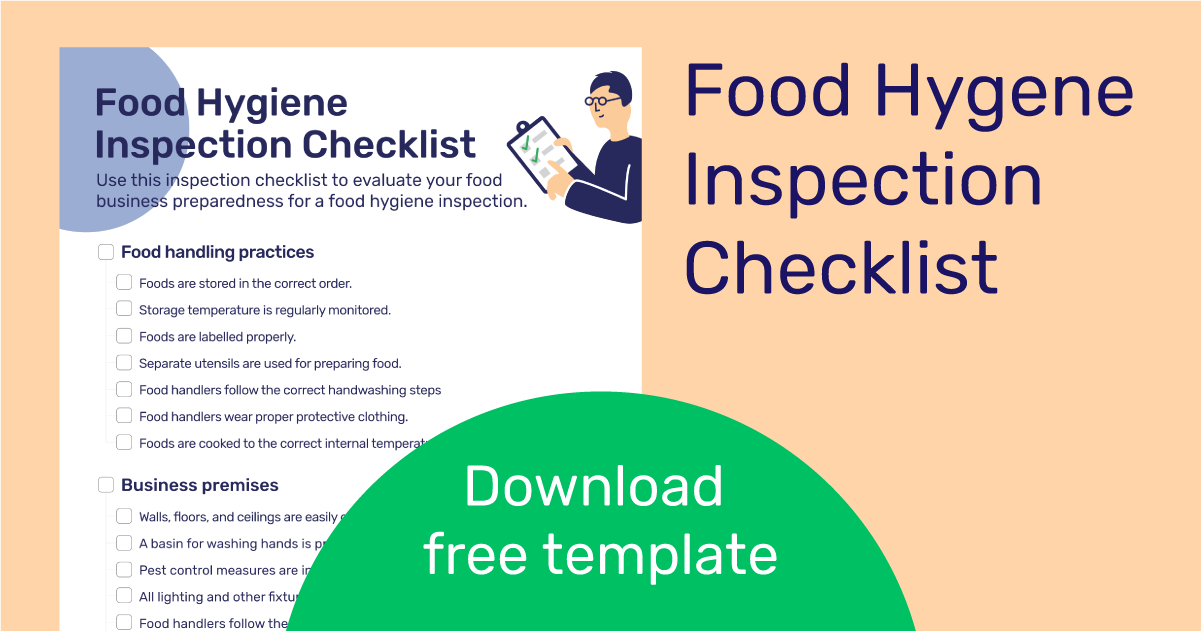
Our Temperature Log Sheet and Pest Management Plan Checklist are pivotal in monitoring critical areas that affect food safety, like correct temperature settings and potential risks in food handling. These tools help create a routine that staff can follow, enhancing food safety training efforts and maintaining public health standards. For example, takeaway chains commonly use temperature logs to verify chilled storage temperatures multiple times per day and document corrective actions if a fridge exceeds safe limits.
Resources like the Cooking Log Template and Thermometer Calibration Log can also support due diligence during inspections and improve consistency across multiple kitchen locations.
Food safety signs and printables: essential tools for a safe environment
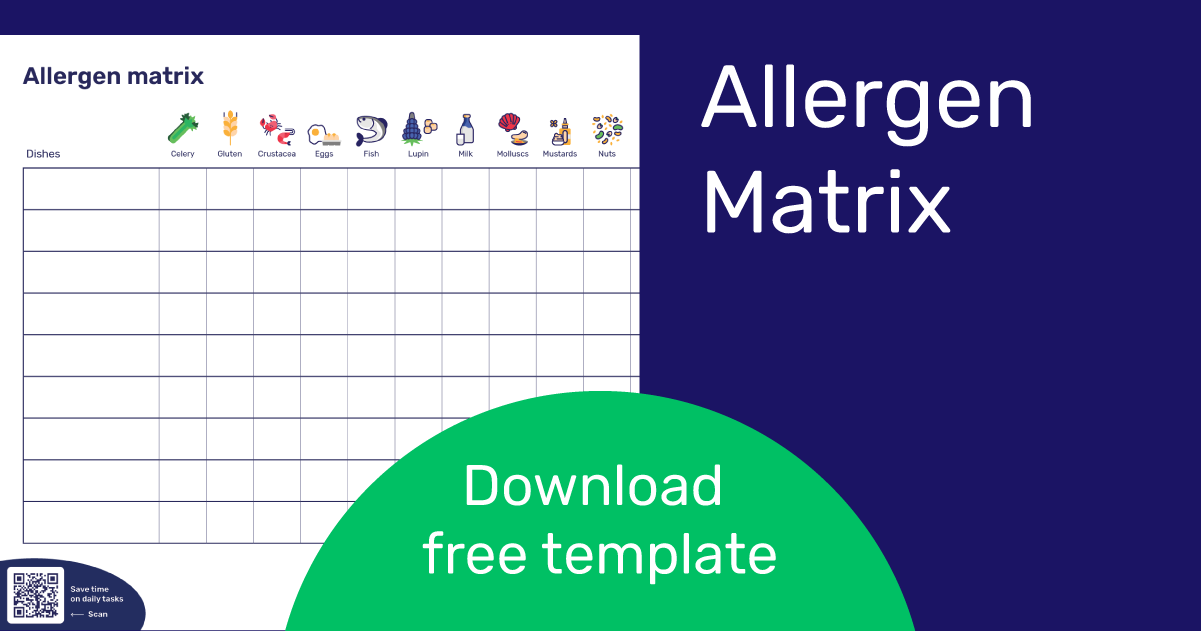
Our Food Allergy Warning Signs and Allergen Posters are vital for ensuring customer safety, effectively communicating potential hazards, and food safety risks associated with allergens. These resources are invaluable in environments with high customer turnover and diverse dietary needs.
Additionally, the Proper Food Storage Chart and Temperature Danger Zone Chart serve as quick references for safe temperature and proper food storage practices, crucial for preventing food poisoning and food contamination. According to the NHS food poisoning guidance, poor temperature control and cross-contamination remain common causes of foodborne illness.
Businesses can also use the Food Allergen Chart and Allergy Matrix template to help staff manage allergen communication more consistently during service.
Food safety logs: essential tools for accurate record keeping
Maintaining detailed food safety logs is a crucial component of any effective food safety management system. Logs such as the Temperature Log Sheet and Thermometer Calibration Log provide a systematic way to record critical data, which is essential for monitoring safe food products and ensuring the safety of cooked foods and perishable foods.
These logs are indispensable for tracking cooking, holding, and storage temperatures, enabling quick responses to food safety issues and risk of contamination. They also provide valuable data during health inspections and are critical in tracing the source of any issues, protecting your business against liability.
Digital food safety forms and templates are particularly valuable for multi-site operations because they improve operational visibility and reduce the risk of missing food safety checks during busy service periods.
Food safety charts: visual guides for quick reference
Food safety charts, like the Food Temperature Chart and Proper Food Storage Chart, offer visual reminders of critical control points in food handling and storage. These charts can be strategically placed in food preparation and storage areas to provide staff with at-a-glance information that supports best practices in food safety.
Displaying these charts in key areas of your kitchen ensures that all staff can easily reference them during their daily tasks, such as using a food thermometer to check internal cooking temperatures for types of food like hamburger patties or fresh produce.
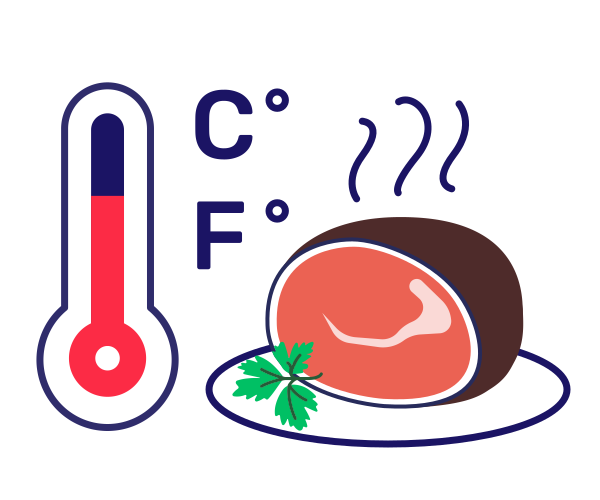
Operational kitchen teams can also benefit from quick-reference resources such as the Ham Cooking Temperature Chart, Duck Cooking Temperature Chart, and Fish Temperature Chart to support safer cooking procedures.
Smart tools for more efficient food safety management
Some of our free resources such as the smart tool Recipe Card Generator and Food Cost Calculator, help save you time but also reduce errors in kitchen management. This is thanks to the fact that you can edit as well as add/or remove rows.
This built-in customizability is important because it enables you to fill, for example, a product specification template neatly in a PDF format instead of potentially illegible paper copies that risk getting damaged or lost. Many hospitality and food-to-go operations are also moving toward digital food safety management system templates to simplify audits and improve record accessibility across locations.
5 Benefits of using these food safety resources in your food business
1. Enhanced compliance and reduced risk
Using our comprehensive food safety resources ensures that your business complies with local and international food safety regulations, including HACCP-based guidance from the Food Standards Agency and Codex Alimentarius.
Tools like the HACCP Plan Template and Health Inspection Checklist prepare your operation to meet stringent standards and pass inspections, reducing the risk of violations and potential fines. This proactive approach protects your business from legal issues and reputational damage.
2. Improved efficiency and consistency
Our customizable templates and checklists, such as the Opening and Closing Checklist and Restaurant Cleaning Checklist, streamline daily operations on a regular basis. When you standardize procedures, these tools ensure consistency in your service and safety protocols, improving efficiency and helping maintain the quality of food items across the food industry.
3. Increased staff accountability and training
Visual aids like the Kitchen Safety Poster and Hand Washing Poster serve as constant reminders for your staff, reinforcing proper practices and enhancing effective training efforts. The Cutting Board Color Chart and Meat Cooking Chart are practical tools that assist in training new employees, ensuring everyone follows the same food handling standards. These resources foster a culture of safety and accountability among your team.
4. Enhanced customer trust and satisfaction
Implement visual food safety measures such as displaying Food Allergy Warning Signs and using the Allergen Poster on menus to communicate your commitment to food safety. This transparency builds trust and reassures customers about the quality and safety of the food served, enhancing your business’s reputation.
5. Cost savings and waste reduction
Effective use of our food safety resources like the Vacuum-Sealed Food Shelf Life Chart and Food Expiration Dates Guidelines Chart helps manage inventory more efficiently and reduce food waste. The Food Cost Calculator and Recipe Card Generator aid in portion control and budgeting, minimizing costs. You'll likely achieve significant cost savings when you reduce waste and optimize food usage.
8 Practical tips for incorporating food safety resources to enhance food safety culture
1. Integrate into employee onboarding and training
Start by embedding food safety resources like the Hand Washing Poster, Meat Cooking Chart, and Food Allergy Warning Signs into your onboarding and training programs. Use these materials as visual aids during training sessions to emphasize the importance of food safety from day one.
Regularly schedule refresher courses that incorporate these resources to keep food safety top of mind and ensure that teams can effectively adopt new standards or procedures.
2. Develop role-specific guides
Create role-specific guides using our templates and checklists, such as the Kitchen Safety Poster for cooks and the Restaurant Cleaning Checklist for janitorial staff. Tailor these guides to address the unique responsibilities of each role within your food business.
This customization helps employees understand their direct impact on food safety and how they can contribute to maintaining high standards.
3. Foster open communication
Encourage an open environment where staff feel comfortable discussing food safety issues. Use resources like the Allergy Matrix and Food Traceability Templates as discussion starters in team meetings to review procedures and encourage suggestions for improvement.
Gather feedback on the usability and effectiveness of the food safety resources you implement, and be responsive to suggestions for changes or additional tools.
4. Recognize and reward compliance
Implement a recognition program to reward employees who consistently adhere to food safety practices, such as correctly using the Temperature Log Sheet or updating the Food Cost Calculator accurately.
Publicly acknowledging these positive behaviors not only boosts morale but also reinforces the importance of everyone's role in upholding food safety standards.
5. Use technology for engagement
Leverage digital tools like FoodDocs food safety management software to engage staff with interactive elements. For example, integrating interactive checklists can make the learning process more engaging.
Technology also provides real-time updates and reminders to staff about critical tasks, further embedding food safety into daily operations.
6. Manage change effectively
When introducing new resources, manage the change process carefully. Provide clear explanations for the change, and offer training to ensure all team members understand how to use the new resources.
Consider a phased rollout where you introduce changes gradually, allowing staff to adjust and provide feedback on their experience.
7. Create a safety committee
Establish a food safety committee that includes members from various levels of your organization. This committee should meet regularly to review safety performance, discuss issues highlighted by using resources like the Health Inspection Checklist and Pest Control Checklist, and plan for ongoing safety initiatives.
Having a dedicated team focused on food safety ensures continuous attention to improving standards and practices across the business.
8. Document and analyze incidents
Use incident reports and tools to analyze any safety incidents. Regular analysis helps identify trends or areas for improvement, and sharing these findings with your team can help prevent future incidents.
This practice not only improves safety outcomes but also demonstrates a commitment to learning and improvement within your food safety culture.
As you integrate these practical tips, your food business will enhance its food safety culture, making food safety a clear priority and shared value among all team members. This approach not only helps in complying with regulations but also builds a foundation for a sustainable and responsible business.

Save your team time on food safety with a digital solution
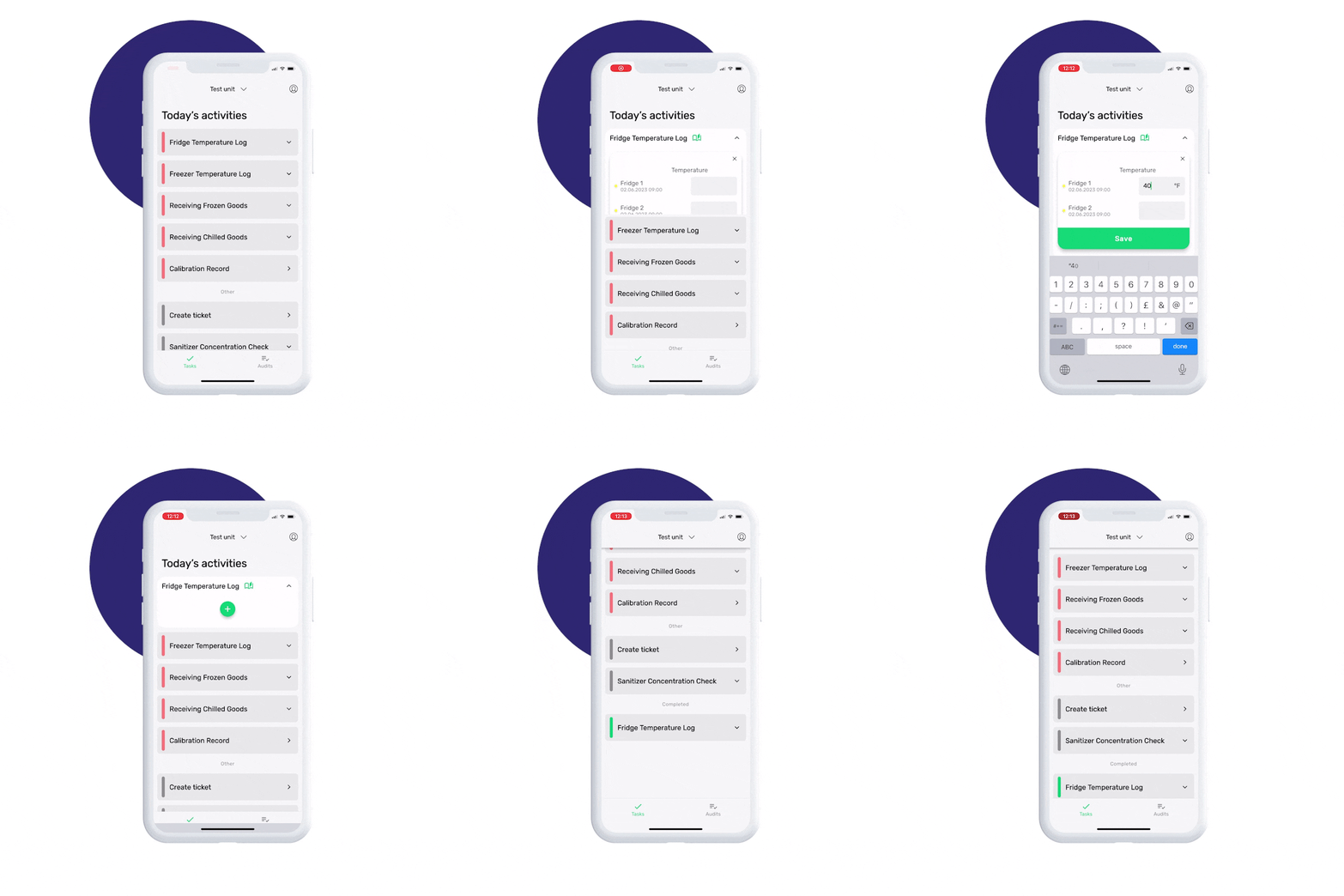
More and more food safety leaders are moving from paper-based systems to digital food safety management systems, especially in businesses managing several locations. Maintaining food safety compliance with paper records can become difficult as operations grow, making it harder to ensure that all checks are completed consistently and on time.
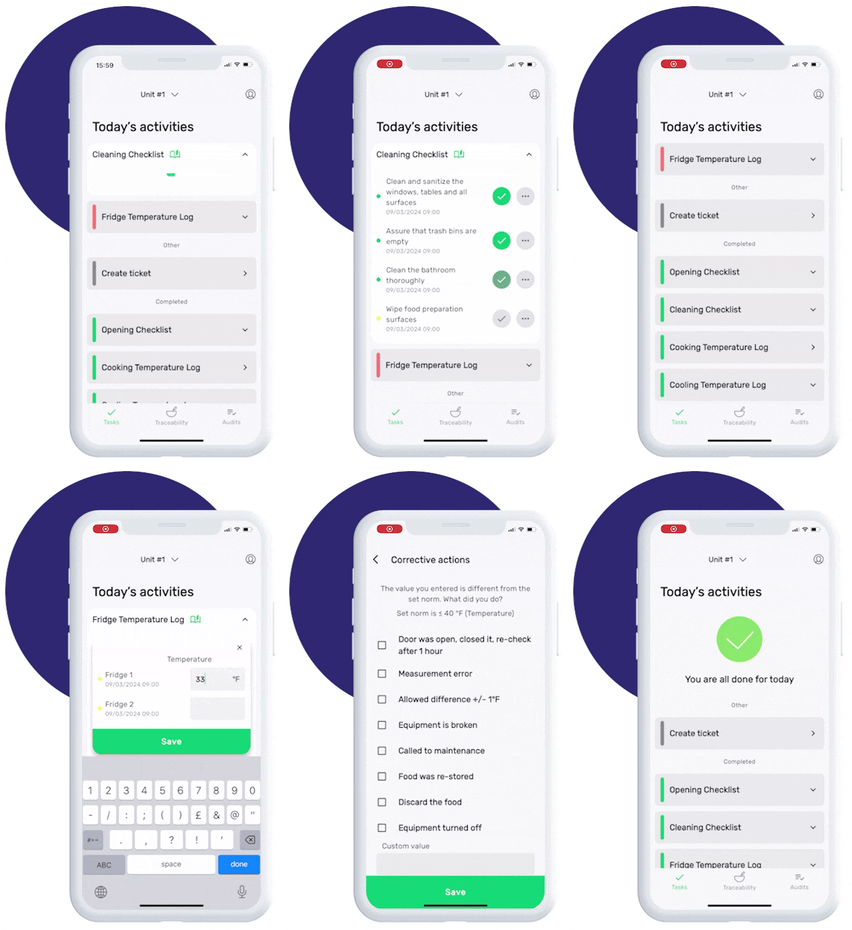
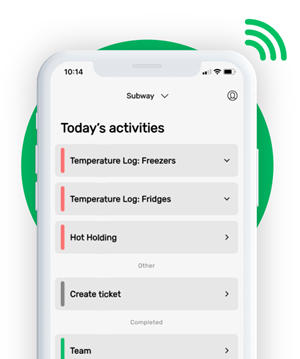
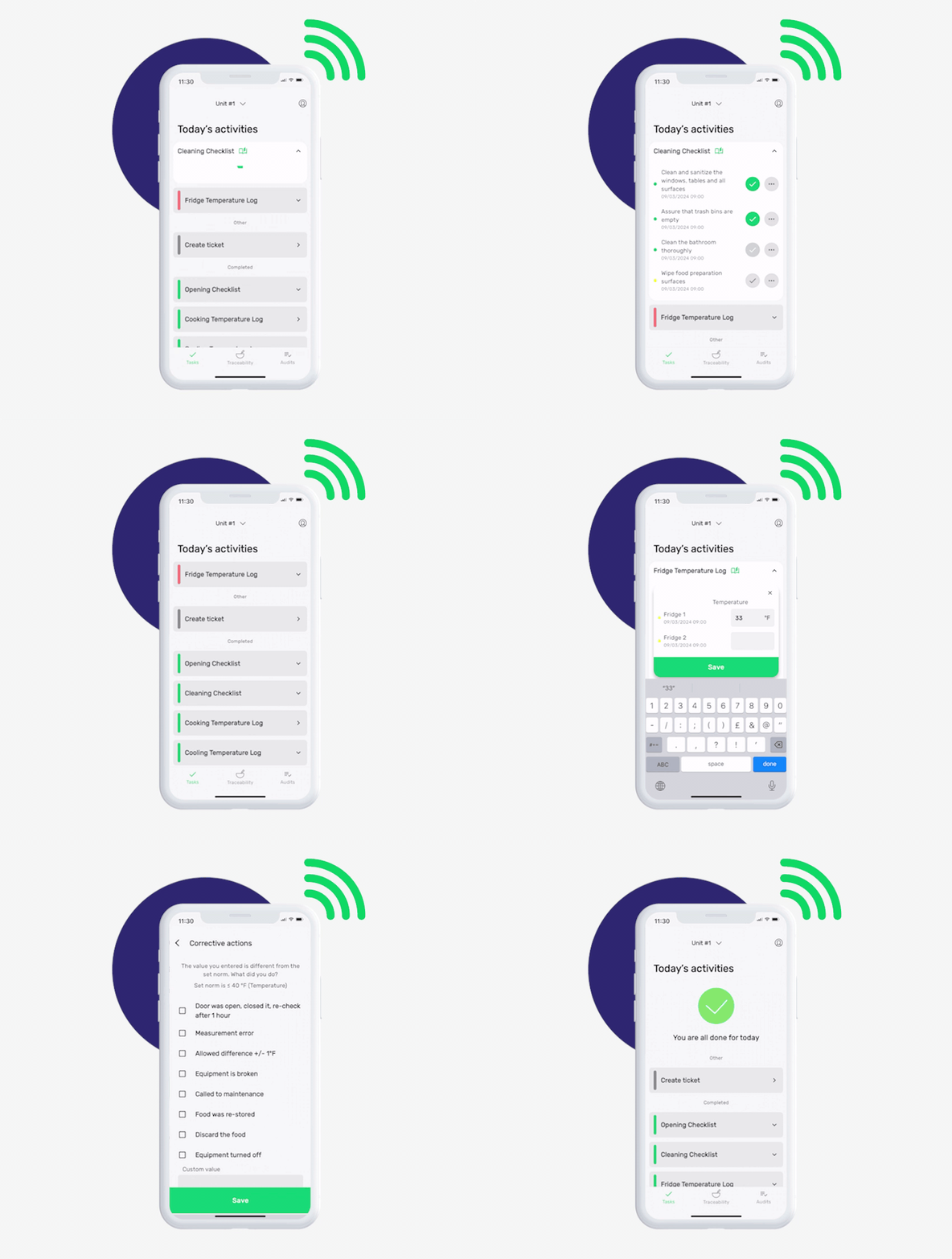
FoodDocs helps food safety and operations teams save time on supervision with a real-time overview across all locations, while also reducing the time staff spend on repetitive food safety tasks. Teams can complete monitoring checks faster through a simple mobile app with ready-made digital forms, automated logs, notifications, and corrective actions.
The system also works as a practical training tool for kitchen teams. Built-in educative instructions guide staff through tasks step by step, helping teams complete checks correctly and maintain more consistent food safety procedures across shifts and locations.
Sign up for a 14-day free trial and see how easy digital food safety management can be for your business.