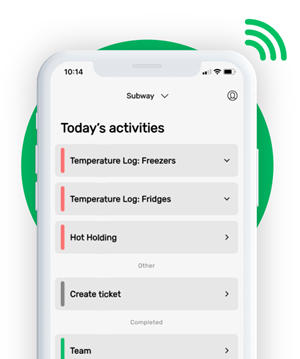







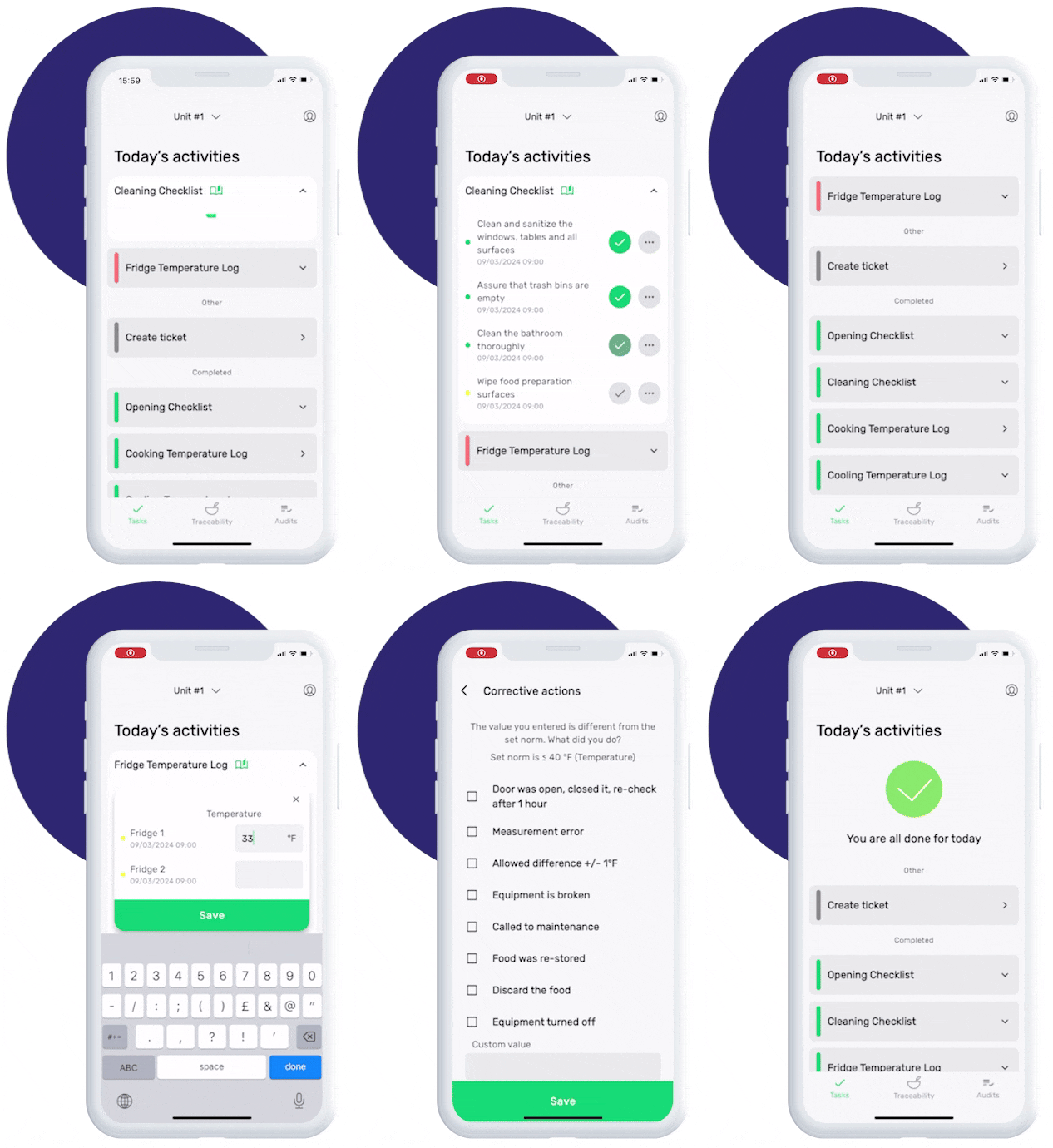
This is how our Digital Food Safety platform saves 20% of your time on daily tasks:
- Get upcoming task notifications
- Add data into the app
- Check the status of tasks in real-time


When food safety was still handled on paper, I typically spent a couple of hours per day getting the papers and going around checking or completing tasks… Now I can sit down and it's just all there in one place. It takes me 5-10 minutes.
Ruth B.
Store Manager
 What is a kitchen opening and closing checklist?
A kitchen opening and closing checklist is a list of pre-operational and post-operational tasks that kitchen staff must complete every day.
Opening tasks prepare the kitchen for service by checking equipment, food supplies, temperatures, cleanliness, and food safety controls. Closing tasks prepare the kitchen for the next shift by cleaning, storing food correctly, documenting records, and securing the premises.
The checklist serves several purposes:
- Creates a consistent daily routine
- Helps staff remember critical tasks
- Improves food safety practices
- Supports audit and inspection readiness
- Provides documented proof of completed checks
- Improves communication between shifts
Many businesses use opening and closing checklists alongside other food safety tools, such as a restaurant cleaning checklist, a fridge layout poster, and a kitchen safety poster.
Creates consistency across shifts
A kitchen should operate to the same standards every day, regardless of who is working.
Opening and closing checklists provide a standard process that helps teams follow the same procedures across shifts, departments, and locations.
Supports food safety
Many opening and closing tasks directly support food safety.
Examples include:
- Checking fridge and freezer temperatures
- Cleaning food contact surfaces
- Verifying handwashing facilities
- Storing food correctly
- Monitoring food labels and dates
- Removing waste
- Checking equipment performance
These activities help reduce contamination risks and support HACCP-based food safety systems.
Saves money
Routine opening and closing checks help teams identify maintenance issues, reduce food waste, protect stock, and improve equipment performance.
Simple tasks such as checking refrigeration units, rotating stock, and storing ingredients correctly can help prevent unnecessary losses.
Improves accountability
Checklists create a clear record of completed tasks and assigned responsibilities.
Managers can quickly verify that food safety, cleaning, and operational checks have been completed before service begins and after it ends.
Supports compliance
Food businesses must demonstrate that food safety procedures are followed consistently.
Opening and closing records provide evidence of daily checks and can support compliance during EHO inspections, internal audits, and customer audits.
What should a kitchen opening and closing checklist include?
The exact tasks depend on the type of business, but most kitchens include food safety, cleaning, preparation, stock management, and equipment checks.
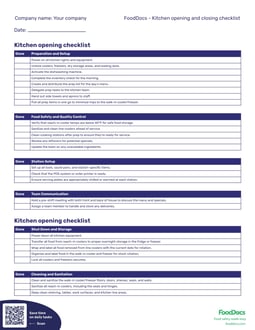
Kitchen opening checklist
Kitchen opening tasks prepare the kitchen for safe and efficient service.
Common opening tasks include:
- Review the day's prep list
- Check refrigerator and freezer temperatures
- Confirm refrigerators are organised according to your fridge organisation chart
- Verify ingredient availability
- Check deliveries received overnight
- Inspect cooking equipment
- Clean and sanitise food contact surfaces
- Ensure handwashing stations are stocked
- Check soap and paper towel supplies
- Verify food thermometers are available
- Review allergen information
- Confirm staff follow hygiene and uniform requirements
- Prepare kitchen stations
- Complete opening safety checks
Many businesses also display a lot of food safety posters to remind staff about hygiene and food handling requirements during busy periods.
Kitchen closing checklist
Kitchen closing tasks prepare the kitchen for the next day and protect food safety overnight.
Common closing tasks include:
- Store all perishable food correctly
- Label and date prepared foods and leftovers
- Verify refrigerator and freezer temperatures
- Check that walk-in refrigerators are closed properly
- Wash and sanitise utensils
- Clean food contact surfaces
- Clean cooking equipment
- Empty waste bins
- Clean and sanitise floors
- Refill consumables where needed
- Complete delivery and stock records
- Secure ingredients and chemicals
- Complete final kitchen inspection
- Sign off on completed tasks
A well-organised closing routine helps the next shift start work immediately without delays.
Restaurant manager opening and closing checklist
Restaurant managers often have responsibilities that extend beyond the kitchen.
Restaurant manager opening checklist
- Review reservations and expected covers
- Conduct a team briefing
- Discuss allergens and daily specials
- Review staffing levels
- Check dining areas
- Verify cleaning completion
- Confirm food safety records are available
- Review maintenance issues
- Assign responsibilities for the shift
Restaurant manager closing checklist
- Review sales reports
- Check food safety records
- Verify completion of cleaning tasks
- Review stock levels
- Document incidents and corrective actions
- Prepare staffing plans for the next day
- Complete security procedures
- Record operational notes
Manager checklists help ensure smooth operations while maintaining oversight of food safety and service standards.
How to use the kitchen opening and closing checklist template?
Our free template can be adapted to suit any food business.
Follow these steps:
- Review your daily kitchen operations.
- List all opening and closing tasks.
- Group tasks by area or employee role.
- Assign responsibilities.
- Add site-specific requirements.
- Train staff on checklist completion.
- Review and update the checklist regularly.
Many businesses combine their opening and closing checklist with resources from our food safety template hub, including cleaning schedules, food safety posters, temperature logs, food storage guides, and much more.
How FoodDocs helps manage kitchen opening and closing procedures?
Opening and closing procedures are easier to manage when every task is organised in one place.
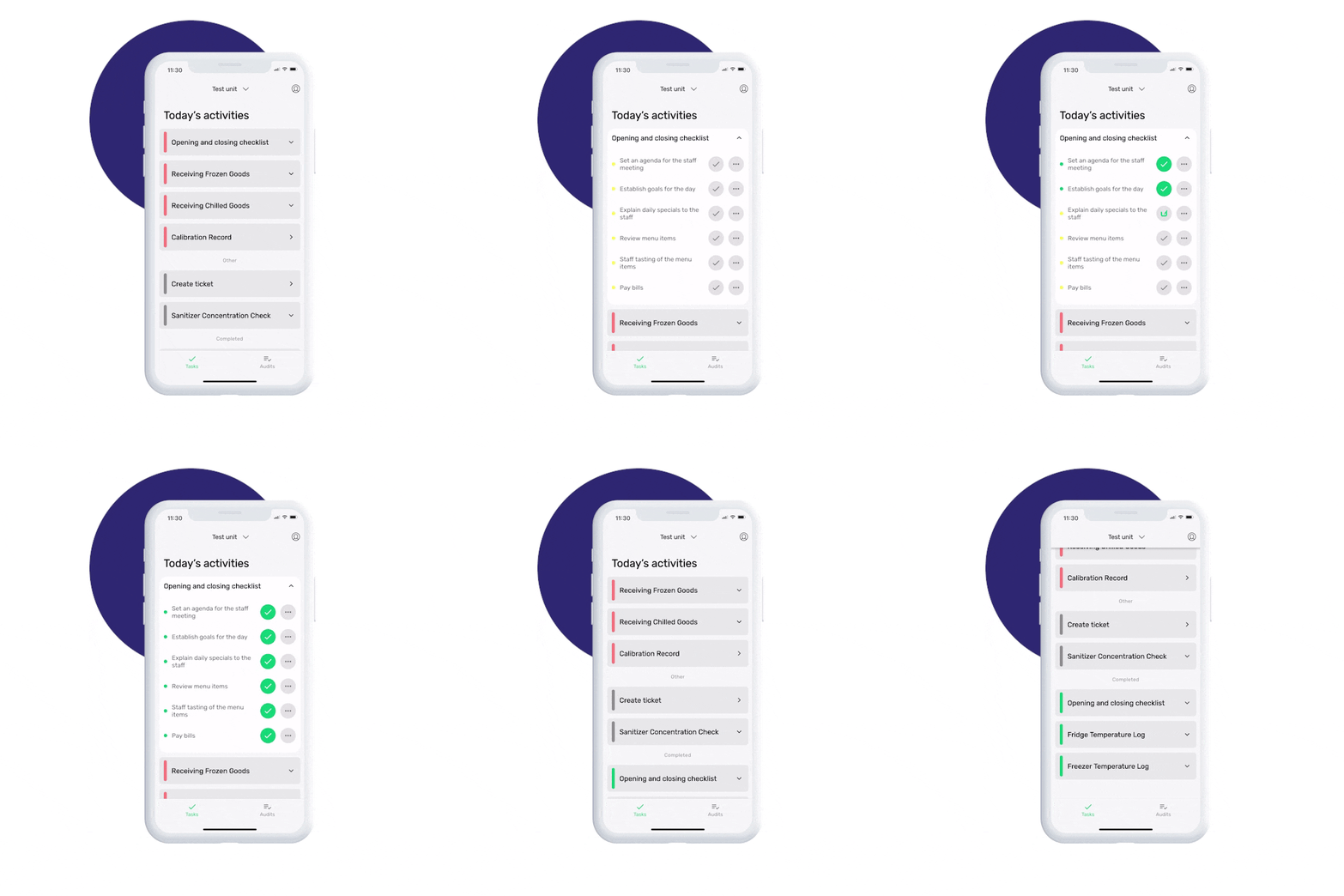
FoodDocs food safety software can automatically generate digital opening and closing checklists that your team can complete directly from a mobile device. Staff receive notifications when tasks are due, helping them complete opening and closing duties on time.
Digital opening and closing checklists
FoodDocs provides customisable digital monitoring tasks for:
- Kitchen teams
- Restaurant managers
- Supervisors
- Servers
- Bartenders
- Cleaning staff
Each checklist can be tailored to your operation and individual locations.
Built-in instructions and corrective actions
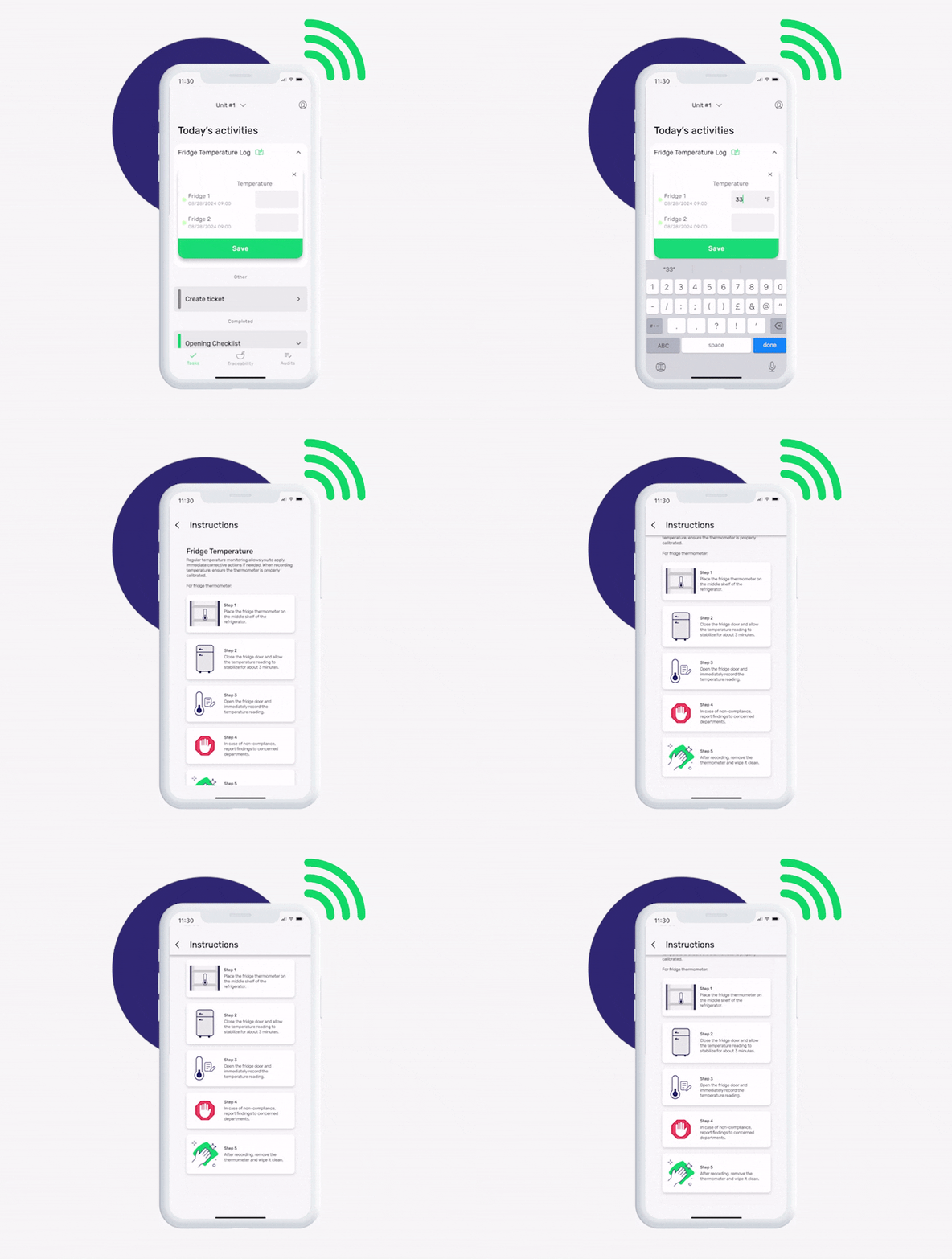
Every task can include detailed instructions to guide staff through the correct procedure.
If a task fails, FoodDocs can trigger corrective actions immediately so the issue can be addressed before it affects food safety or operations.
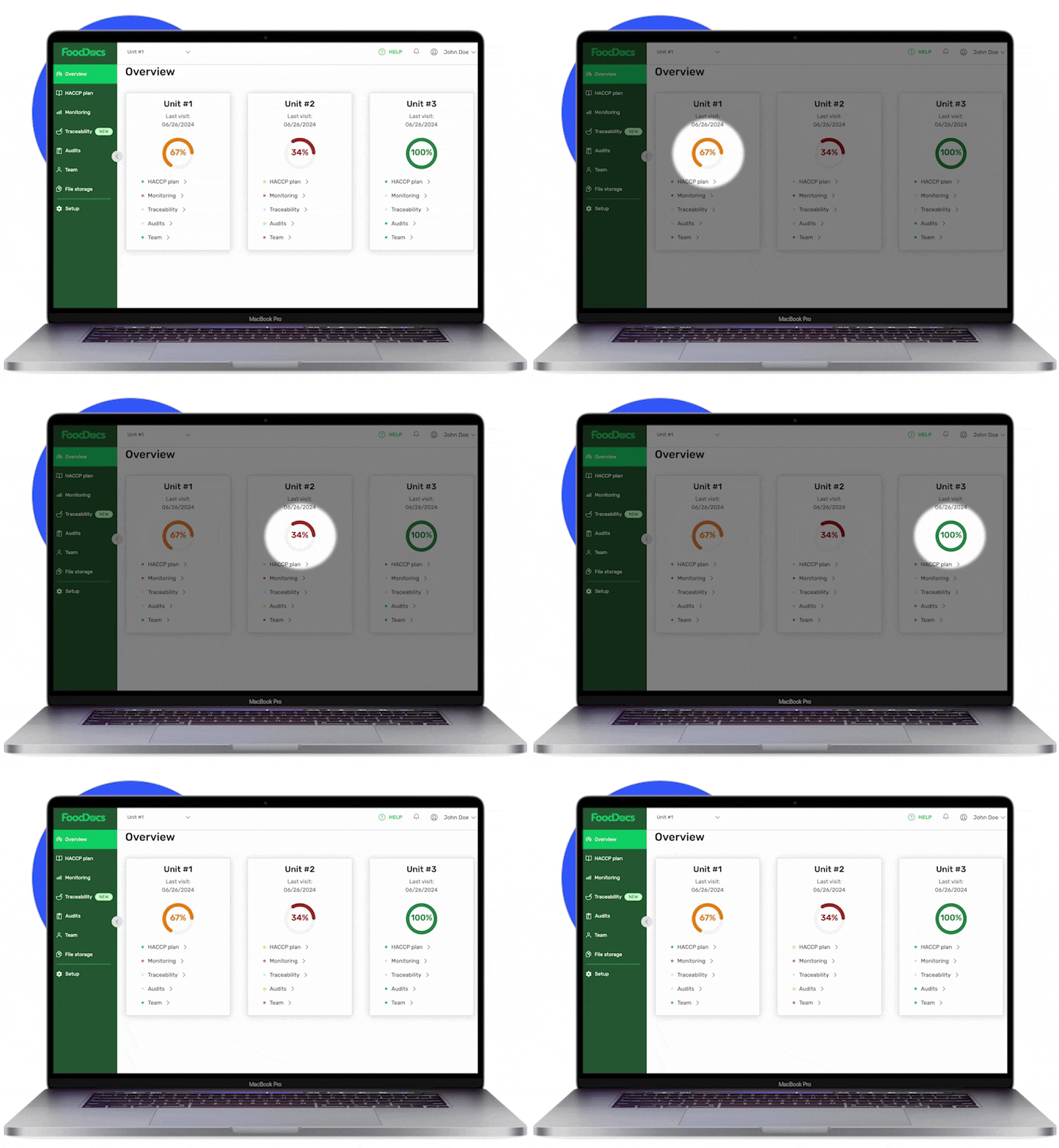
Real-time overview for managers
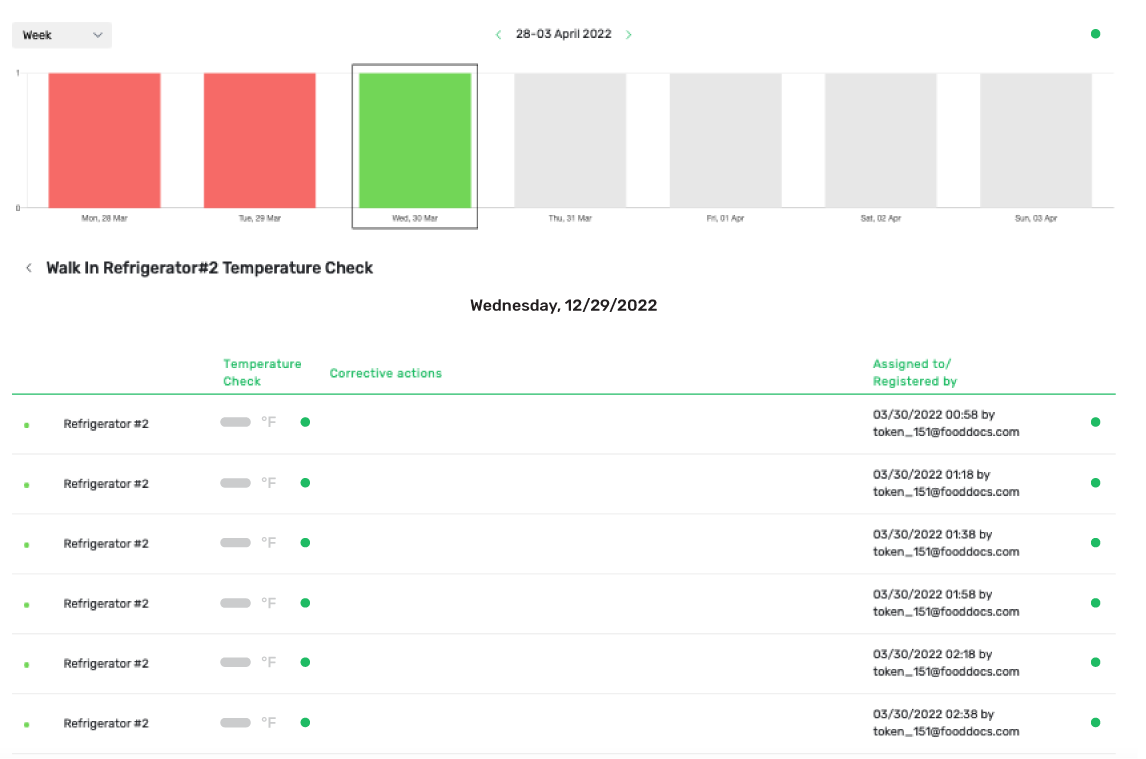
FoodDocs gives food safety leaders, operations managers, and executive chefs a real-time overview of checklist completion across all locations.
Managers can instantly see:
- Completed checks
- Missed tasks
- Overdue activities
- Corrective actions
- Compliance trends
FoodDocs software turns opening and closing procedures into simple digital tasks, helping your team complete daily responsibilities while giving managers a real-time overview of food safety and operational performance.
.png?width=1650&height=1125&name=FSMS_hero%20(1).png)
Frequently asked questions
 An automated setup enables you to go digital in 15 minutes
Our app notifications help your team to remember all daily tasks bam
Save time on supervising and use automatically filled monitoring sheets