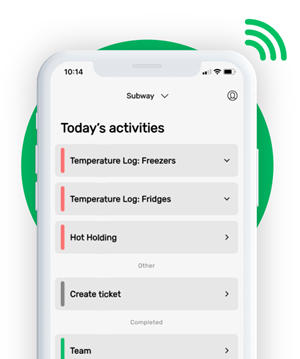





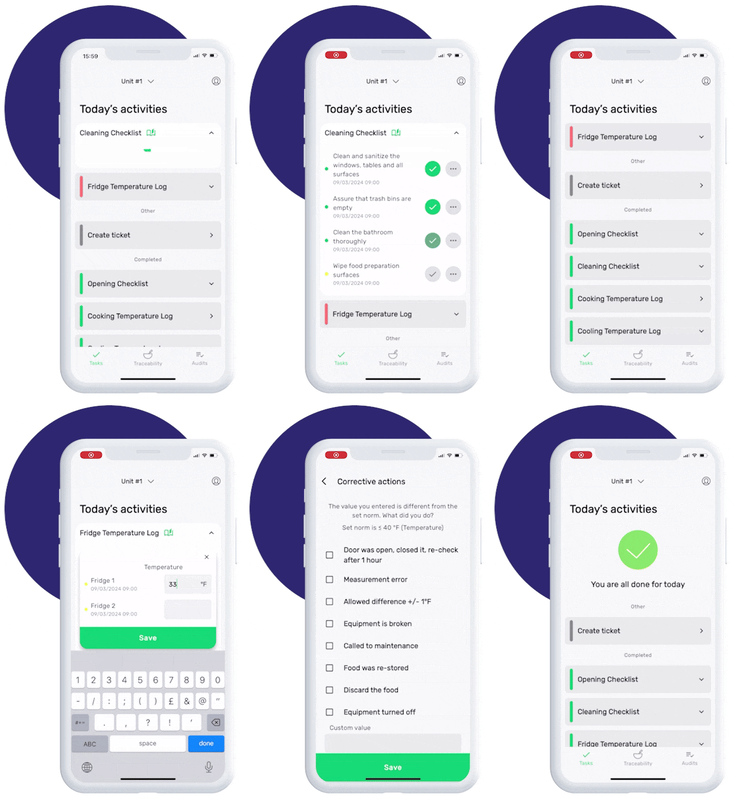
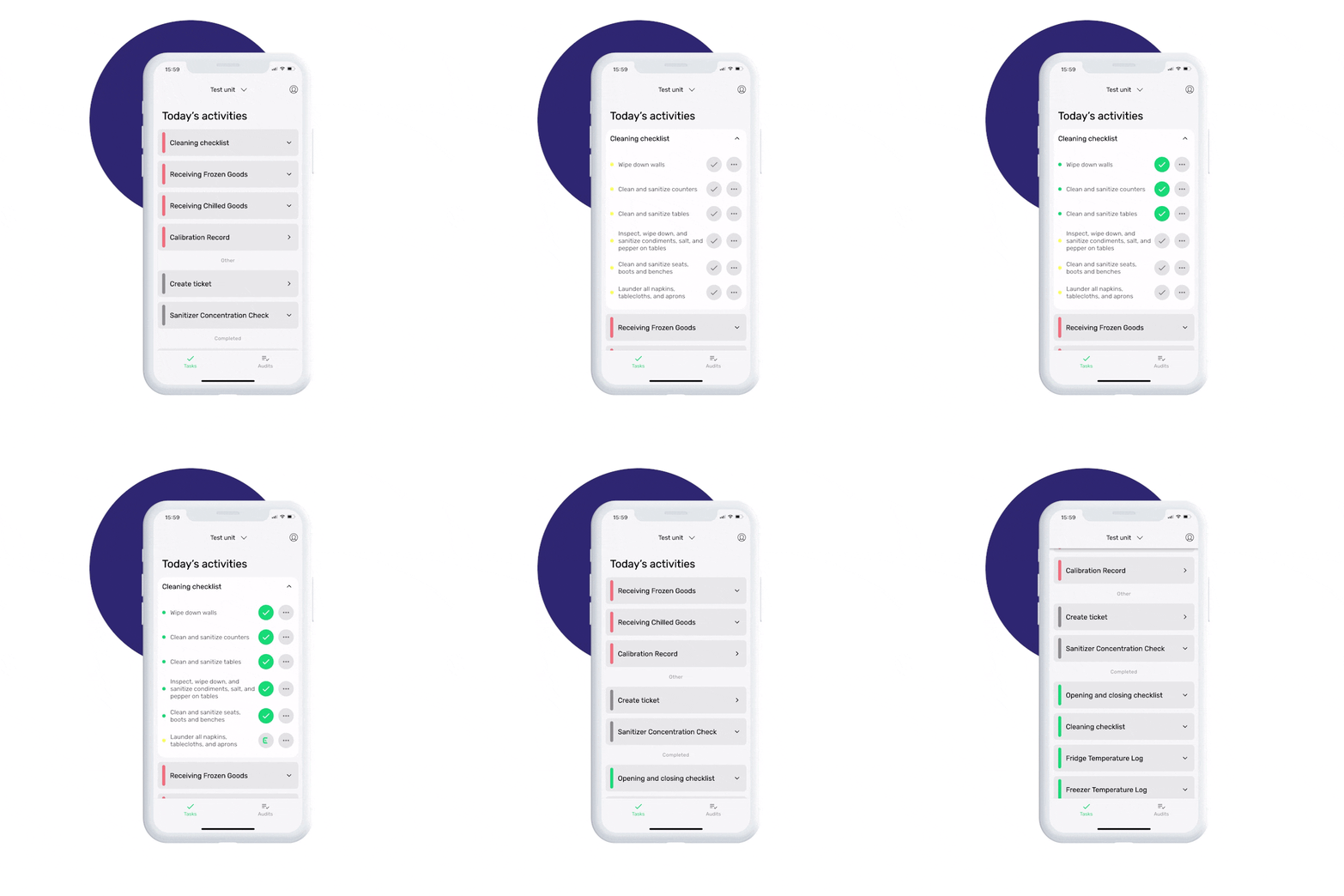
This is how our Digital Food Safety platform saves 20% of your time on daily tasks:
- Get upcoming task notifications
- Add data into the app
- Check the status of tasks in real-time


When food safety was still handled on paper, I typically spent a couple of hours per day getting the papers and going around checking or completing tasks… Now I can sit down and it's just all there in one place. It takes me 5-10 minutes.

Ruth B.
Store Manager
2. Use suitable food containers
Store food in covered, food-grade containers wherever possible.
Clear containers help staff identify products quickly while reducing exposure to contaminants.
3. Group similar foods together
Organise foods by category:
- Dairy products
- Ready-to-eat foods
- Raw poultry
- Raw meat
- Seafood
- Fruit and vegetables
Grouping products simplifies stock control and reduces unnecessary fridge door openings.
4. Label all food items
Every container should clearly show:
- Product name
- Preparation date
- Use-by date
Proper labelling supports traceability and stock rotation procedures.
5. Monitor food storage conditions
Staff should regularly check:
- Fridge temperatures
- Product condition
- Shelf organisation
- Expiry dates
- Signs of contamination
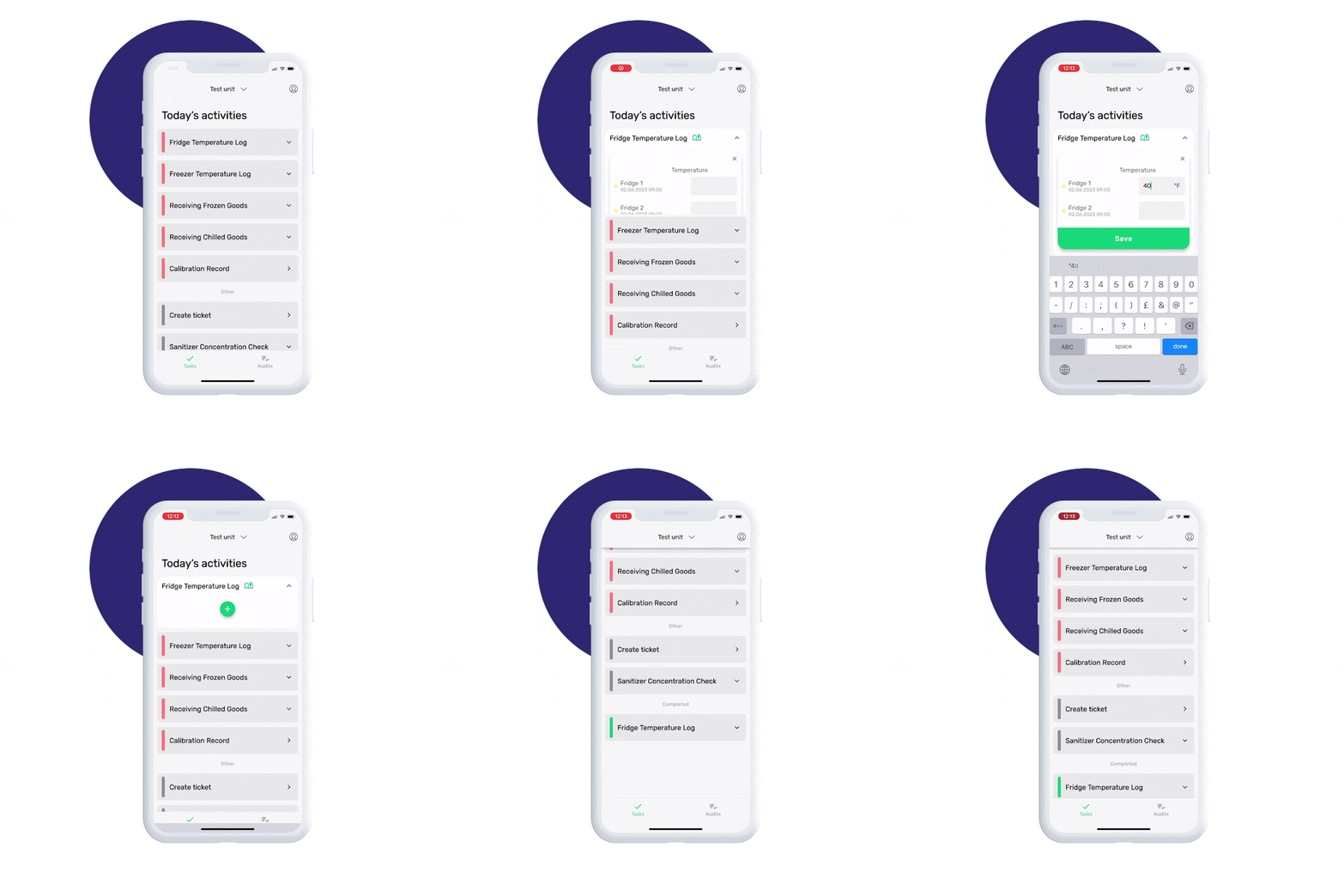 Temperature monitoring can be supported using temperature records template and a thermometer calibration log template.
Fridge organisation chart: correct storage order
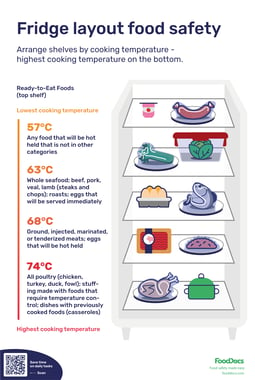
The most important principle of fridge layout food safety is storing foods according to contamination risk.
A typical fridge organisation chart follows this order:
Top shelves
- Ready-to-eat foods
- Cooked foods
- Desserts
- Prepared salads
Middle shelves
- Dairy products
- Prepared ingredients
- Eggs (if applicable)
Lower shelves
- Whole cuts of beef and pork
- Seafood
- Raw poultry
Bottom shelf
- Minced meat
- Ground meat
- Raw poultry with the highest contamination risk
Drawers and crisper compartments
- Fruit
- Vegetables
- Fresh produce
Raw foods should always be stored in sealed containers to prevent leaks and drips.
Why should raw meat be stored below vegetables?
Raw meat contains naturally occurring bacteria that can contaminate ready-to-eat foods.
If meat juices drip onto vegetables, salads, or prepared foods, harmful bacteria may be transferred. Because vegetables are often eaten raw or lightly cooked, those bacteria may survive and create a food safety hazard.
Keeping raw meat below vegetables significantly reduces this risk.
This storage hierarchy is one of the simplest and most effective controls against cross-contamination.
How to organise a walk-in fridge?
The same food safety principles apply whether you use a standard refrigerator or a large walk-in cooler.
The main difference is space.
Walk-in refrigerators allow teams to create dedicated storage zones for:
- Raw meat
- Poultry
- Seafood
- Dairy
- Fresh produce
- Ready-to-eat foods
Many multi-site restaurant groups and healthcare catering operations use zoning systems to improve stock management and maintain consistent food safety standards.
Who needs a printable fridge layout food safety poster?
A printable fridge layout food safety poster is useful for almost any food operation, including:
- Restaurants
- Restaurant groups
- Hotels
- Care homes
- Hospitals
- School kitchens
- University catering operations
- Food-to-go businesses
- Cafés
- Catering companies
- Retail foodservice businesses
- Central production kitchens
The poster can be displayed directly on fridge doors, near walk-in chillers, or in food preparation areas where staff can easily refer to it.
You can find additional training resources and visual aids in our collection of food safety posters.
Benefits of using a fridge layout food safety poster
Reduces cross-contamination
The biggest benefit is preventing raw foods from contaminating ready-to-eat products.
Correct shelf placement creates a safer storage environment and supports HACCP procedures.
Improves staff training
Visual instructions are easier to follow than lengthy written procedures.
New team members can quickly understand the correct storage order without extensive training.
Creates a more organised kitchen
A consistent fridge layout improves efficiency and helps staff locate ingredients faster during busy service periods.
Many businesses combine fridge layout posters with a kitchen opening and closing checklist to ensure food storage checks are completed every day.
Supports compliance
Proper food storage is routinely reviewed during food safety inspections.
Using visual reminders helps demonstrate that your business has procedures in place to manage food safety risks.
Increases food safety awareness
Posters reinforce good habits and encourage teams to think about contamination risks whenever they store food.
Combined with resources such as a kitchen safety poster, they help build a stronger food safety culture across the operation.
How to create an effective fridge layout food safety poster?
A good fridge layout poster should be:
Clear and simple
Kitchen staff should understand the poster within seconds.
Accurate
Storage guidance should reflect current food safety best practices and HACCP principles.
Visually engaging
Colours, symbols, and illustrations should attract attention and improve retention.
Relevant to your equipment
Different refrigerators have different layouts.
The poster should reflect how your fridge is actually organised while maintaining the core food safety principles.
Easy to understand
Avoid technical language and overly detailed instructions.
Visual communication is usually more effective in fast-paced kitchen environments.
The easiest way to get a fridge layout food safety poster
Instead of creating one from scratch, you can download our free printable fridge layout food safety poster.
The poster clearly shows:
- Ready-to-eat foods on upper shelves
- Fresh produce in designated storage areas
- Raw meat and poultry on lower shelves
- High-risk products at the bottom
- Correct use of food containers and separation methods
You can also browse our complete collection of food safety templates, including checklists, monitoring forms, posters, and guidance documents.
How FoodDocs helps your team monitor fridge conditions?
A fridge layout poster is a valuable training tool, but ongoing monitoring is equally important.
FoodDocs software helps food safety teams turn storage procedures into daily operational routines.
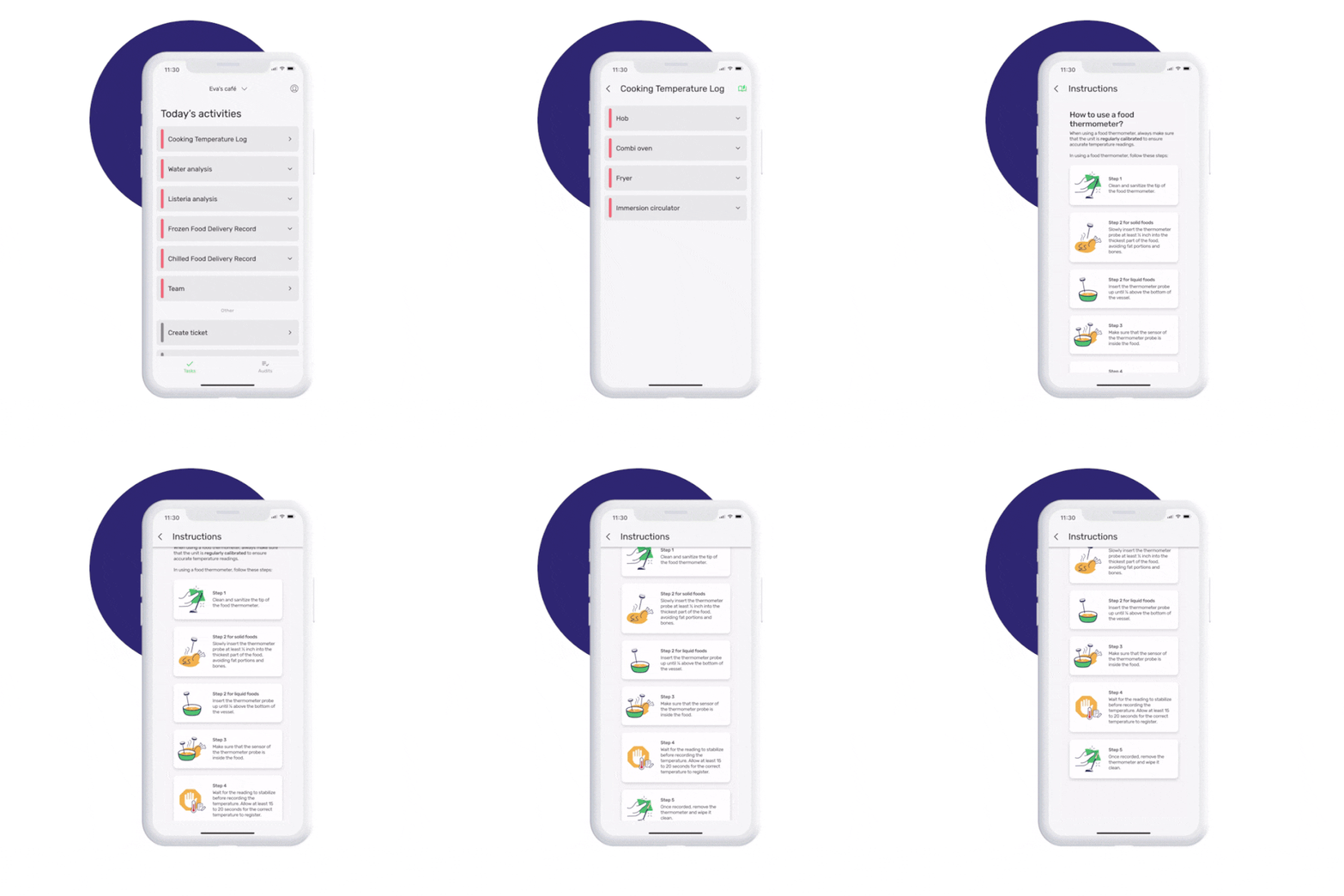
FoodDocs software can help food safety leaders turn fridge storage rules into digital monitoring tasks, training instructions, and temperature checks, making it easier for teams to follow food safety procedures consistently while providing real-time oversight across locations.
With FoodDocs you can:
- Create digital fridge temperature records
- Receive automatic task reminders
- Add corrective actions when temperatures are out of range
- Store food safety records in one place
- Access monitoring data through a real-time dashboard
- Standardise procedures across multiple locations
- Improve audit and EHO inspection readiness
For businesses managing several sites, FoodDocs provides a centralised view of food safety performance without relying on paper records.
.png?width=1650&height=1125&name=FSMS_hero%20(1).png)
Frequently asked questions

 An automated setup enables you to go digital in 15 minutes
Our app notifications help your team to remember all daily tasks bam
Save time on supervising and use automatically filled monitoring sheets