Chopping board colours help kitchen teams use the right board for the right food type, reducing the risk of cross-contamination and allergen cross-contact during preparation. In UK food businesses, coloured chopping boards are widely used as a simple visual system for safer food handling, especially in busy restaurants, hotels, care homes, food-to-go operations, and central kitchens.
The coloured chopping board system is not a specific legal requirement in itself, but it supports HACCP-based food safety procedures and good hygiene practice. Food Standards Agency guidance focuses on preventing cross-contamination, keeping equipment clean, and controlling food safety risks. A clear chopping board colour code helps staff follow these expectations consistently.
Key points covered
- Chopping board colours help separate raw meat, raw fish, cooked meat, vegetables, root vegetables, bakery and dairy items, and free-from foods.
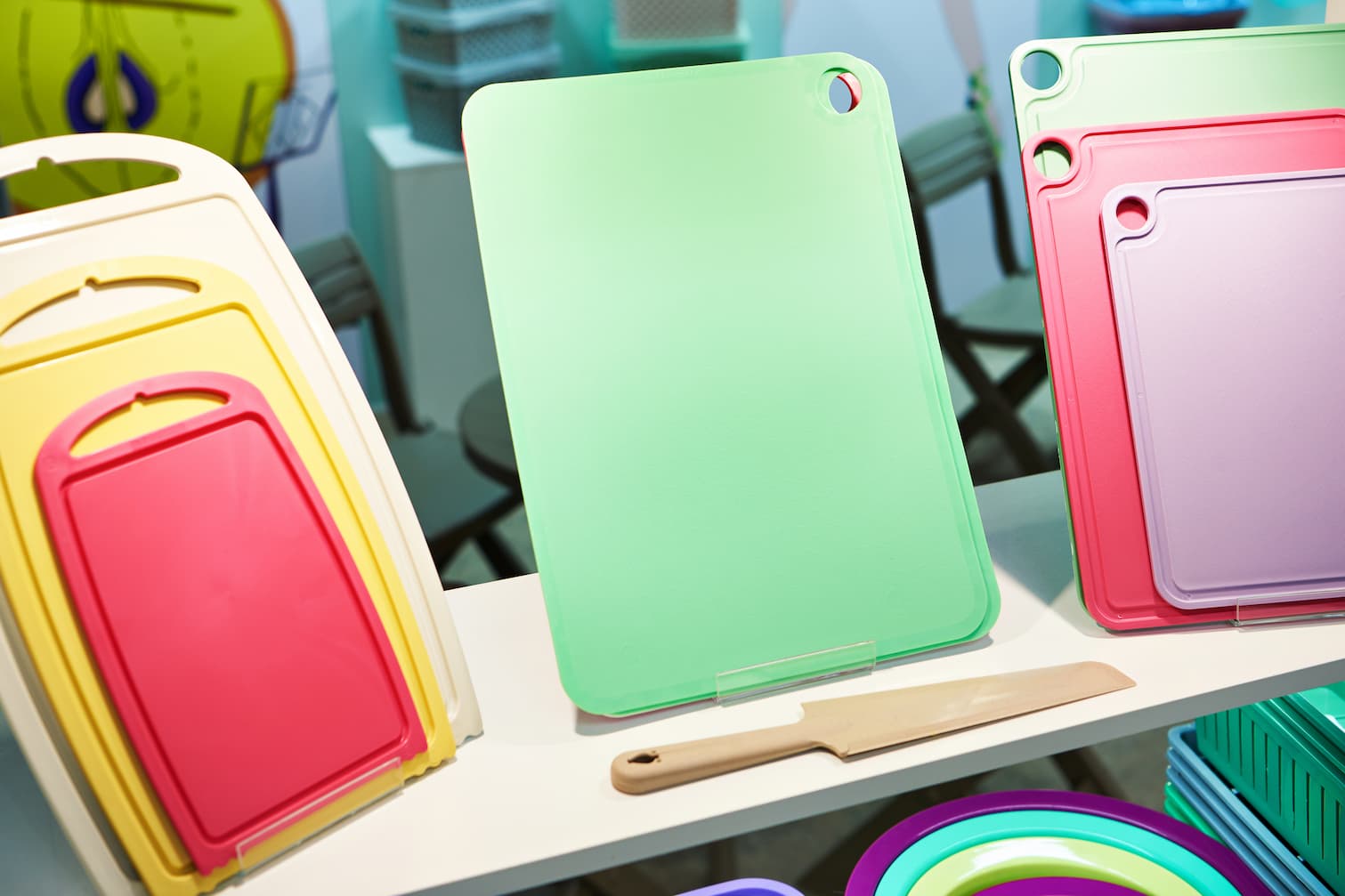
- The most common UK chopping board colours are red, blue, yellow, green, brown, white, and purple.
- Red chopping boards are commonly used for raw meat and poultry.
- Blue chopping boards are commonly used for raw fish and seafood.
- Green chopping boards are commonly used for fruit, salad vegetables, and herbs.
- Brown chopping boards are commonly used for unwashed root vegetables.
- Purple chopping boards are commonly used for free-from or allergen-controlled foods.
- Colour coding only works when boards are cleaned, sanitised, stored correctly, and replaced when damaged.
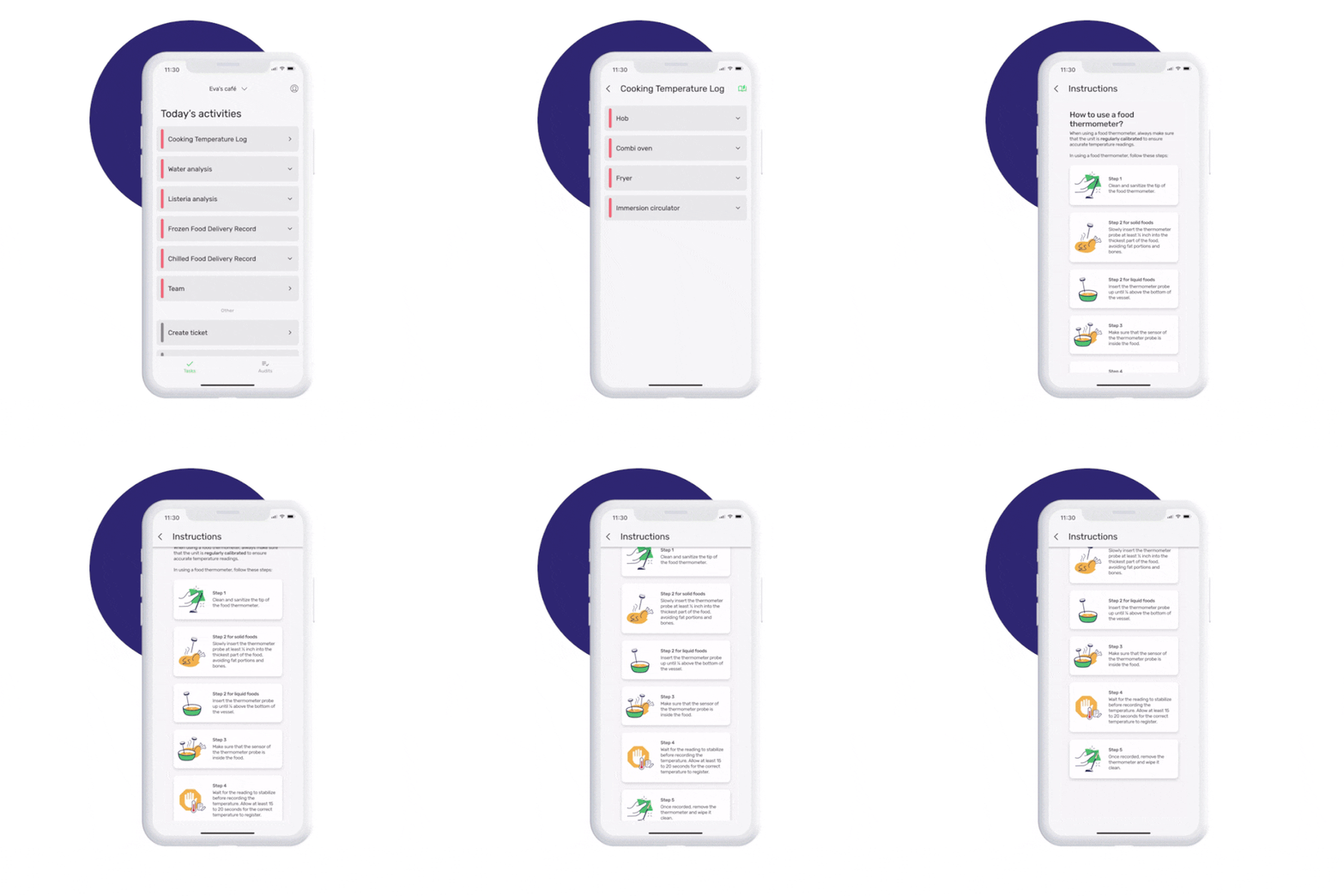
- Digital food safety software like FoodDocs helps kitchen teams follow colour-coded equipment rules through digital checks and clear instructions.
What are the recommended kitchen chopping board colours?
In the UK, coloured chopping boards are commonly used to separate food preparation tasks by food type. The most widely accepted chopping board colours and uses are:
| Chopping board colour |
Common use |
| Red |
Raw meat and poultry |
| Blue |
Raw fish and seafood |
| Yellow |
Cooked meat and poultry |
| Green |
Fresh fruit, salad vegetables, and herbs |
| Brown |
Unwashed root vegetables |
| White |
Bakery and dairy products |
| Purple |
Free-from or allergen-controlled foods |
You can download the free poster below to make chopping board colour coding easier for your team to follow👇.
This chopping board colour code helps food handlers quickly identify which board to use, even during busy service. It also supports wider food hygiene procedures, such as handwashing, safe fridge storage, cleaning schedules, and allergen control.
For example, a hotel breakfast kitchen may use a yellow board for cooked bacon, a white board for bread, a green board for fruit, and a purple board for gluten-free items. In a care home kitchen, the same visual system can help protect vulnerable residents by making safe food preparation easier to follow.
You can also support daily kitchen hygiene with other visual tools, such as a fridge layout poster for safe storage and a kitchen safety poster for staff reminders.
Chopping board colours UK: what each colour means
The UK food industry commonly uses the following coloured chopping boards meaning:
- Red chopping board: raw meat and poultry
- Blue chopping board: raw fish and seafood
- Yellow chopping board: cooked meat and poultry
- Green chopping board: fresh fruit, vegetables, salad items, and herbs
- Brown chopping board: unwashed root vegetables
- White chopping board: bakery and dairy products
- Purple chopping board: free-from foods and allergen-controlled preparation
Different businesses may adapt the system slightly, but the most important point is consistency. Once your business chooses a chopping board colour code, staff must be trained to follow it every time.
A clear system is especially useful in multi-site hospitality groups where food safety leaders need the same standards followed across several kitchens. If each site uses different coloured chopping boards for different foods, training becomes harder and mistakes become more likely.
 Red chopping board: raw meat and poultry
A red chopping board is commonly used for raw meat and poultry, including raw beef, pork, lamb, chicken, and turkey.
Raw meat can carry harmful bacteria, such as Salmonella, Campylobacter, and E. coli. Using a red board for raw meat helps stop these bacteria from spreading to ready-to-eat foods, cooked foods, or salad ingredients.
A red chopping board must still be cleaned and sanitised between uses. For example, a kitchen team should not prepare raw chicken and then raw beef on the same red board without cleaning and sanitising it first. Colour coding reduces risk, but it does not replace proper cleaning.
Blue chopping board: raw fish and seafood
A blue chopping board is commonly used for raw fish, shellfish, and seafood.
This separation helps control cross-contamination between raw seafood and other ingredients. The blue colour can also make it easier to spot scales, bones, or fish residue after preparation.
Food-to-go businesses that prepare sushi, sandwiches, fish salads, or seafood platters should make sure blue boards are clearly available, clean, and stored separately from boards used for cooked or ready-to-eat foods.
Yellow chopping board: cooked meat and poultry
A yellow chopping board is commonly used for cooked meat and poultry, such as cooked chicken, roast beef, ham, turkey, or cooked pork.
Cooked meat is often ready to eat or close to ready to serve. It must be protected from raw meat juices, dirty equipment, and poor handling practices.
For example, if a catering team slices cooked chicken for sandwiches, the yellow board should be clean, sanitised, and used only for cooked meat. It should never be used for raw poultry, even if both products are chicken.
Green chopping board: fresh fruit, vegetables, and herbs
A green chopping board is commonly used for fresh fruit, salad vegetables, and herbs.
This includes ingredients such as lettuce, cucumber, tomatoes, apples, peppers, parsley, coriander, and prepared salad items. Many of these foods are served without further cooking, so they must be protected from contamination during preparation.
A green chopping board should not be used for unwashed root vegetables with soil on them. Soil can carry bacteria and dirt into the preparation area, which is why root vegetables normally have a separate board.
Brown chopping board: root vegetables
A brown chopping board is commonly used for unwashed root vegetables, such as potatoes, carrots, parsnips, beetroot, swede, and turnips.
Root vegetables may arrive with soil, dirt, and other physical contamination on the surface. Preparing them on a brown board helps keep soil away from ready-to-eat produce and other food preparation areas.
This is particularly useful in restaurant groups, central kitchens, and healthcare catering operations where large volumes of vegetables are prepared daily.
White chopping board: bakery and dairy products
A white chopping board is commonly used for bakery and dairy products, including bread, pastries, cheese, butter, and other similar items.
Bakery and dairy items may not always be high-risk in the same way as raw meat, but they often contain major allergens, such as milk, gluten, eggs, sesame, or nuts. Using a white board helps separate these foods from raw foods and supports allergen control.
Businesses that handle many baked products may also need clear allergen procedures, especially when preparing gluten-free, dairy-free, or nut-free menu items.
Purple chopping board: free-from and allergen-controlled foods
A purple chopping board is commonly used for free-from foods or allergen-controlled preparation.
Free-from foods are prepared without specific allergens, such as gluten, milk, eggs, soy, nuts, peanuts, sesame, fish, shellfish, or other declared allergens. A purple board helps staff identify when stricter allergen controls are needed.
The purple board must be kept clean, sanitised, and protected from cross-contact. In practice, this means using clean utensils, clean hands or gloves, clean preparation surfaces, and clearly separated ingredients. A purple chopping board alone will not protect customers with allergies if the surrounding process is not controlled.
Why coloured chopping boards are important?
Coloured chopping boards are important because they give staff a simple visual system for separating food types and reducing food safety risks. In a busy kitchen, colour is faster to recognise than written labels.
The main benefits include:
Reduced cross-contamination
Cross-contamination can happen when harmful bacteria are transferred from raw food to ready-to-eat food. A common example is using the same board for raw chicken and salad vegetables.
Coloured chopping boards reduce this risk by keeping raw meat, raw fish, cooked foods, vegetables, and bakery items separate.
Better allergen control
Colour coding can also help reduce allergen cross-contact. This is especially important when preparing free-from meals or meals for customers with allergies.
A purple board gives staff a visible reminder that allergen-controlled preparation is required. This can be valuable in hotels, schools, hospitals, and care homes where allergen mistakes can have serious consequences.
Easier staff training
Coloured chopping boards make food safety training easier because the system is visual and practical. New starters can quickly learn which board to use for each food type.
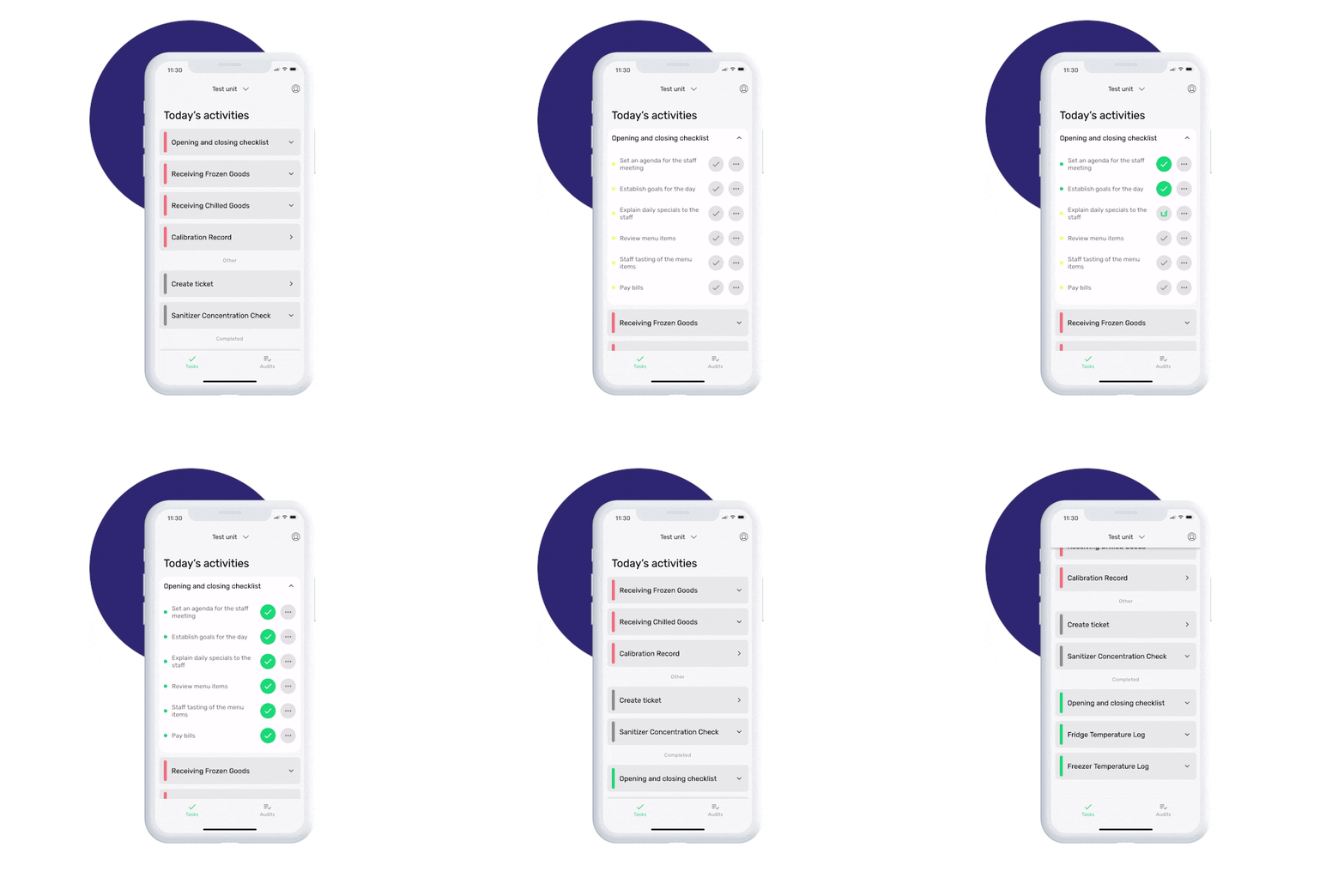
For stronger consistency, food businesses can include chopping board colour rules in opening checks, food preparation instructions, and cleaning procedures. A kitchen opening and closing checklist can help managers confirm that boards are clean, available, and stored correctly before service starts.
 More consistent HACCP controls
Chopping board colour coding can support a HACCP-based food safety management system by helping control biological, allergen, and physical hazards during preparation.
Colour coding is not a replacement for HACCP, but it can be part of your prerequisite programmes and good hygiene practices. For example, your food safety procedures may state that raw chicken must only be prepared on a red board and that the board must be cleaned and sanitised immediately after use.
A written SSOP can also explain how boards, knives, preparation surfaces, and other utensils must be cleaned and sanitised.
What are the risks of using the wrong chopping board?
Using the wrong chopping board can spread bacteria, allergens, dirt, or physical contaminants from one food to another.
For example, if a food handler prepares raw chicken on a board and then uses the same board for lettuce, bacteria from the chicken can transfer to the lettuce. Since lettuce is usually served without cooking, the bacteria may survive and reach the customer.
Other risks include:
- allergen cross-contact between standard and free-from foods;
- soil from root vegetables spreading to salad ingredients;
- raw fish residue contaminating cooked foods;
- damaged board fragments entering food;
- poor inspection results if an EHO sees inconsistent hygiene practices;
- staff confusion during busy service.
In multi-site operations, inconsistent colour coding can create additional risk. If one site uses a white board for bread and another uses it for fish, staff moving between sites may make mistakes.
How to safely use coloured chopping boards
Coloured chopping boards only work when they are used, cleaned, and stored correctly. A colour-coded system should be supported by clear hygiene procedures.
Use these practical rules:
- Keep enough boards available for each preparation task.
- Train staff on the chopping board colours and uses.
- Clean and sanitise boards between uses.
- Do not use the same board for raw and ready-to-eat foods.
- Replace boards with deep cuts, cracks, chips, or rough surfaces.
- Store boards upright or in a rack so they can dry properly.
- Avoid stacking wet boards together.
- Use matching colour-coded knives where possible.
- Keep allergen-controlled boards separate from standard preparation equipment.
- Include chopping boards in routine cleaning checks.
A restaurant cleaning checklist can help kitchen teams make sure chopping boards, preparation surfaces, sinks, handles, shelves, and other food contact areas are cleaned at the right frequency.
When should chopping boards be replaced?
Chopping boards should be replaced when they are deeply scored, cracked, chipped, warped, stained, or difficult to clean.
Knife marks can trap food particles, moisture, and bacteria. Once a board becomes difficult to clean properly, it can become a contamination risk even if staff follow the correct colour code.
Food safety teams should check chopping boards regularly as part of kitchen inspections. This is especially important in high-volume kitchens where boards are used throughout the day.
How chopping board colour coding supports fridge organisation?
Chopping board colour coding works best when it is part of a wider food hygiene system. For example, raw meat may be prepared on a red board, but it must also be stored safely before preparation.
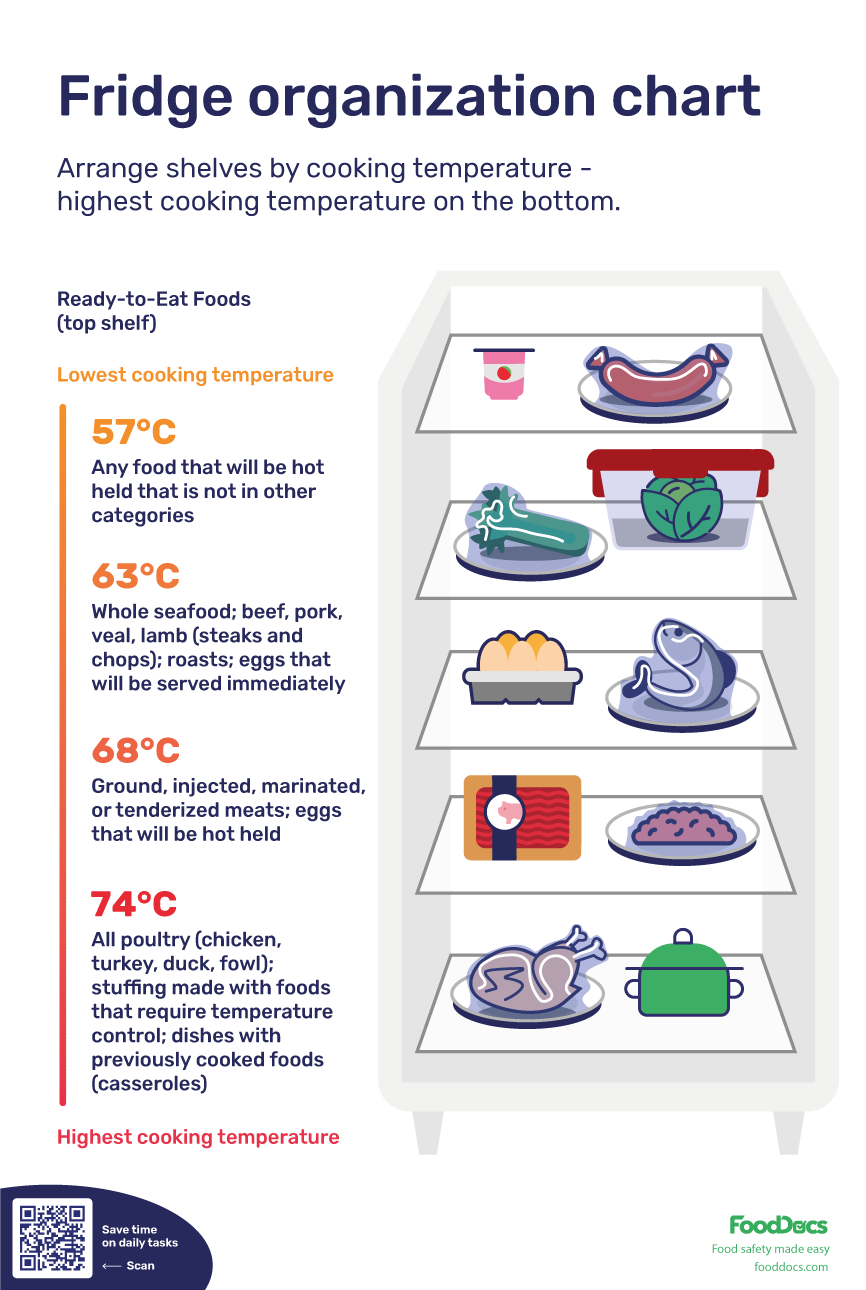
Safe fridge organisation helps prevent raw food from dripping onto ready-to-eat foods. Kitchen teams can use a fridge organisation chart to support correct food storage and reduce the risk of cross-contamination before food reaches the preparation area.
This free chart is useful for restaurants, care homes, hotels, and grocery foodservice operations where several teams may use the same storage areas.
Chopping board colour coding in HACCP
Chopping board colour coding can be included in your HACCP-based food safety management system as a preventive control for cross-contamination and allergen cross-contact.
A practical HACCP procedure may include:
- which chopping board colour must be used for each food type;
- when boards must be cleaned and sanitised;
- where boards must be stored;
- when damaged boards must be replaced;
- what staff should do if the wrong board is used;
- who checks that the system is being followed.
For example, if a red board is accidentally used for salad vegetables, the corrective action may include discarding the affected food, cleaning and sanitising the board and work surface, retraining the staff member, and recording the incident.
Food safety checks should also cover related equipment. For example, if temperature probes are used during preparation or cooking, a thermometer calibration log helps prove that monitoring equipment is accurate.
How to train staff on chopping board colours?
Staff training should be short, practical, and repeated often enough to keep standards consistent.
A good training process includes:
- Show the team each chopping board colour and its use.
- Explain the reason behind the colour code.
- Demonstrate how to clean and sanitise boards.
- Explain what to do if the wrong board is used.
- Place a chopping board colour poster in the preparation area.
- Include colour-coded equipment checks in daily kitchen routines.
- Record staff training as part of your food safety documentation.
Visual reminders work well in busy kitchens because staff do not need to search through long procedures during service. You can find more practical tools in the FoodDocs food safety templates library.
How FoodDocs helps monitor chopping board colour coding?
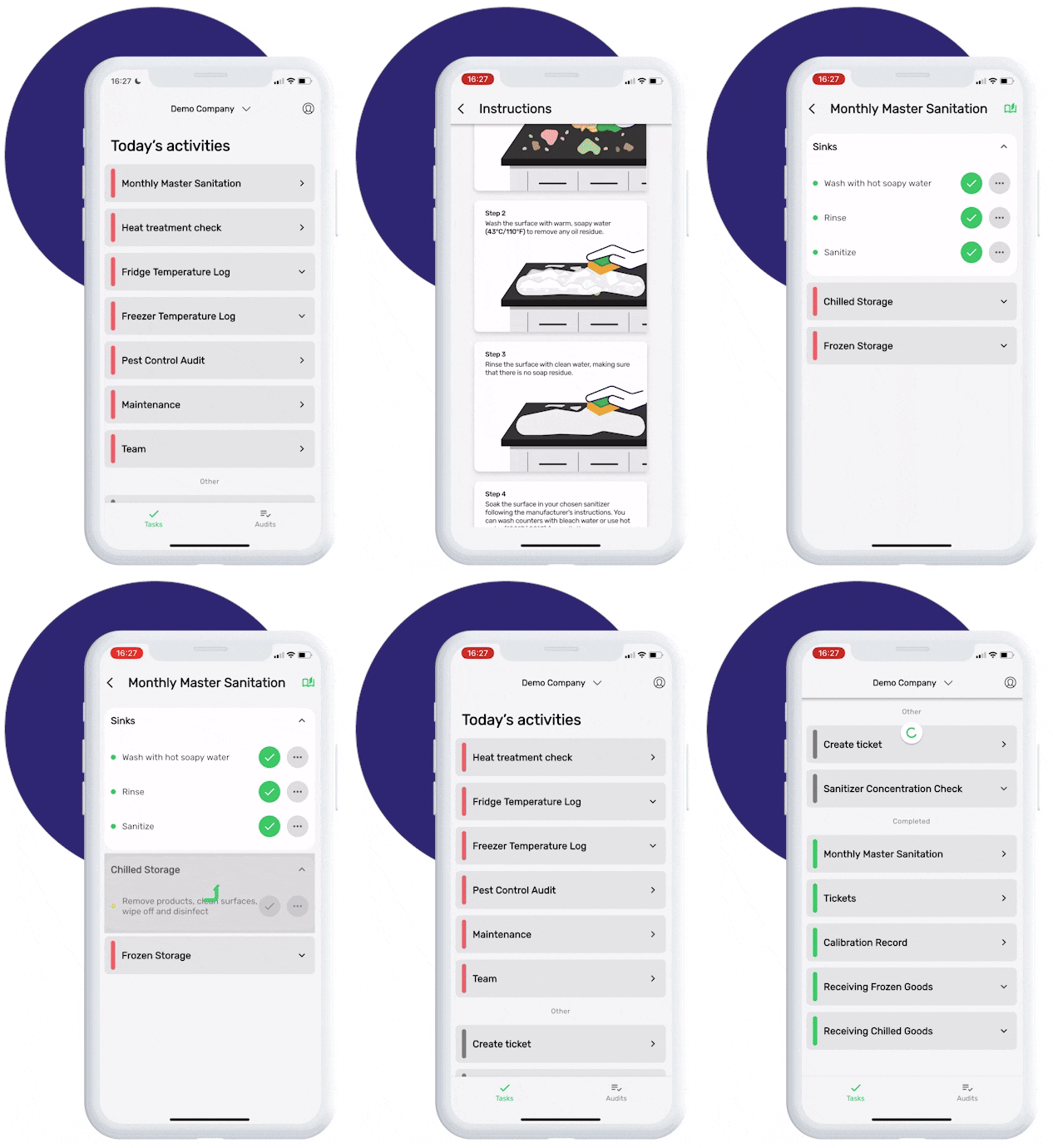
FoodDocs helps food safety teams turn colour-coded chopping board rules into daily digital checks, staff instructions, and corrective actions.
Instead of relying only on posters or paper checklists, you can use FoodDocs to create and monitor tasks such as:
- check that all coloured chopping boards are clean before service;
- confirm that raw and ready-to-eat preparation boards are separated;
- remind staff to replace damaged chopping boards;
- adding photo proof for cleaning or equipment condition checks;
- recording corrective actions when the wrong board is used;
- keeping hygiene records ready for EHO inspections.
For multi-site hospitality and healthcare foodservice teams, FoodDocs gives food safety leaders a real-time overview of completed and missed checks across locations. This helps reduce supervision time and makes it easier to prove that hygiene procedures are being followed consistently.
FoodDocs also helps create and manage HACCP documentation, monitoring logs, cleaning checklists, and food safety records in one place. Start a free 14-day trial to build your digital food safety system and keep your kitchen hygiene tasks under control.
.png?width=1650&height=1125&name=FSMS_hero%20(1).png)
Frequently asked questions