Master restaurant sanitizing with clear steps for kitchens and dining areas.
Why is restaurant sanitizing important?
Maintaining a spotless, sanitary environment in a restaurant is critical for safety, compliance, and your business’s reputation. In the United States alone, an estimated 48 million cases of foodborne illness happen each year. Often, these get traced back to lapses in cleanliness. A single outbreak or failed health inspection can tarnish everything you've built and put customers at risk.
Consistent sanitizing, by contrast, protects your patrons' health and keeps your business aligned with health regulations. Restaurant managers, and chefs need to treat sanitizing as a top priority to prevent cross-contamination, avoid foodborne pathogens, and ensure diners have a safe experience. Because mastering restaurant sanitization is foundational to running a successful food service operation.
While people often relate sanitizing with hands, front- and back-of-house restaurant sanitation also includes high-touch surfaces (sanitized many times per day), food-contact equipment and utensils, equipment controls and touchpoints, cleaning tools, and restroom-related surfaces.
What’s the difference between restaurant cleaning and sanitizing?
Cleaning means removing visible dirt, food debris, and grease from surfaces, usually with soap or detergent and water. Sanitizing, on the other hand, means using chemicals or heat to kill the germs and bacteria on a surface after it's been cleaned.
Research shows that even surfaces that look clean to the eye can harbor millions of microbes if not properly sanitized. For this reason, all food-contact surfaces must be washed, rinsed, and then sanitized after each use.
Some key sanitizing best practices include:
- Never skip the cleaning step: Always clean before sanitizing. Dirt and grease can shield bacteria, so surfaces should be free of visible debris before you apply a sanitizer.
- Use the right sanitizer at the right concentration: Most restaurants use chemical sanitizers, typically a chlorine-based solution like bleach or a quaternary ammonium solution, to kill germs. For example, a common sanitizing mixture is 1 tablespoon of bleach per gallon of water, which gives you approximately 100 ppm chlorine. Always mix and use sanitizers exactly per the label instructions and use test strips to verify concentration.
- Allow proper contact time: Sanitizer needs time to work. Apply it and let the surface remain wet for the manufacturer-recommended duration, often at least 30 seconds or more, before allowing it to air-dry. Don't rinse off the sanitizer unless the product specifically requires it.
- Air-dry, don't towel-dry: After sanitizing, let surfaces or equipment air dry. Wiping with a cloth can re-contaminate the surface. If you must wipe, use single-use disposable towels.
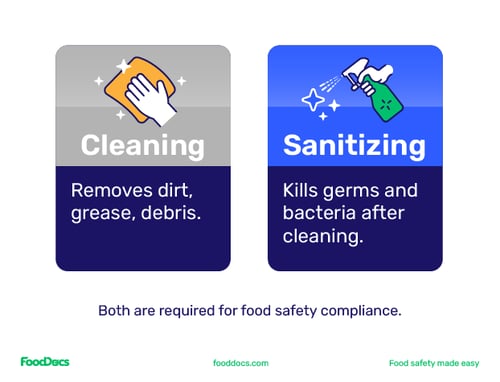
Also remember that cleaners and sanitizers aren't the same product. Don't mix them together, as this can be dangerous and reduce effectiveness. Understanding these differences and rules with help your team ensure that cleaning and sanitizing are both done properly in the correct order.
What is the most common sanitizing method in restaurants?
Most restaurants rely on chemical sanitizers because they're effective, inexpensive, and easy to use.
Chlorine-based solutions, basically bleach and water, are the most common. They're often mixed to around 50 to 100 ppm for dishes or 100 to 200 ppm for surface wipes. Quaternary ammonium compounds, called quats, are another widely used option, especially in spray bottles or sanitizer buckets for wiping down prep areas.
Heat is also used in some cases. Commercial dishwashers that reach 171°F in the rinse cycle sanitize without chemicals. Each method is acceptable, provided it meets local health code requirements and is used correctly.
What are the most commonly sanitized restaurant items and areas?
Employees’ hands are just the starting point of restaurant sanitizing. The following areas and items are also important to have clear sanitation instructions for:
High-touch surfaces
Multiple staff touch these surfaces frequently, which act as cross-contamination bridges between raw food, clean food, and staff (and are easy to forget during a busy service).
- Door handles and push plates
- Light switches
- Refrigerator and freezer handles
- Drawer pulls and cabinet handles
- POS touchscreens and tablets
- Prep tables and stainless steel work surfaces
Food-contact equipment and utensils
These must be cleaned and sanitized between tasks, not just at the end of the day, because the surfaces have direct contact with food. This makes them a primary focus during inspections.
- Cutting boards (especially between raw and ready-to-eat foods)
- Knives and chef tools
- Tongs, ladles, scoops, and spatulas
- Mixing bowls
- Food storage containers and lids
Equipment controls and touchpoints
These are easy to overlook because they don’t touch food directly.
- Oven and grill knobs
- Microwave buttons
- Beverage dispenser buttons and nozzles
- Coffee machine controls
Cleaning tools
Dirty cleaning tools spread contamination instead of removing it.
- Wiping cloths (kept in sanitizer solution)
- Sponges and scrubbers
- Mop handles and buckets
Restroom-related surfaces
These are among the highest-risk contamination points in the entire facility and, as a result, require strict and frequent sanitizing.
- Sink faucets
- Toilet flush handles
- Door handles and locks
Commonly sanitized activities (not only objects)
Sanitation can be both time-based and/or event-driven. Here are a few of the most common restaurant activities that should trigger sanitation:
- Switching from raw to cooked food prep
- Returning from breaks or deliveries
- After handling trash or cleaning chemicals
- After touching phones or personal items
- After restocking or handling packaging
How to sanitize a restaurant kitchen (back of house)
Sanitizing the kitchen involves systematic, thorough cleaning followed by targeted sanitizing of all food-contact surfaces, equipment, and utensils. A kitchen sees constant activity, so a "clean as you go" approach combined with scheduled restaurant deep cleanings is essential. Here's how to approach sanitizing your kitchen step by step.
Follow the proper cleaning and sanitizing sequence for surfaces
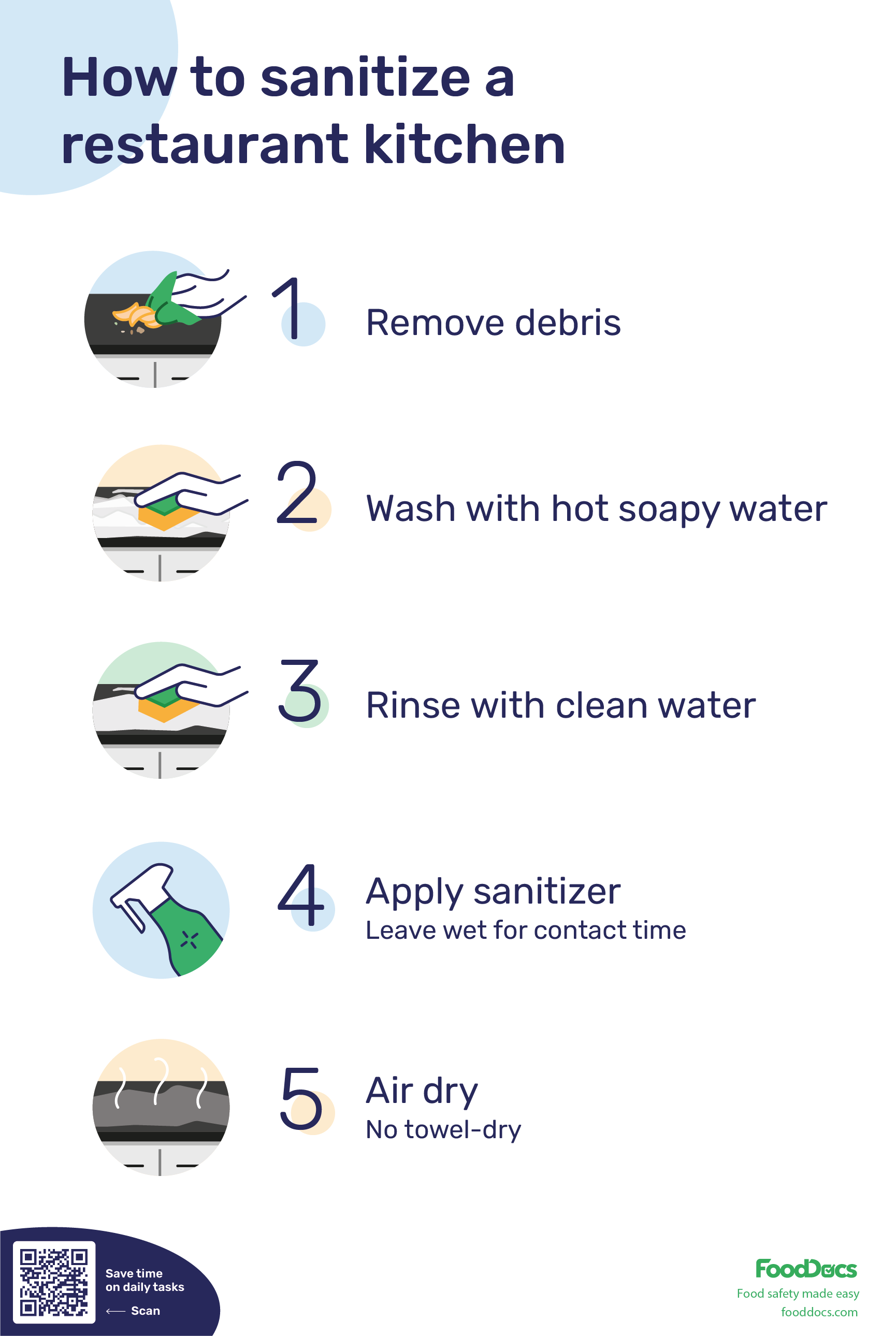
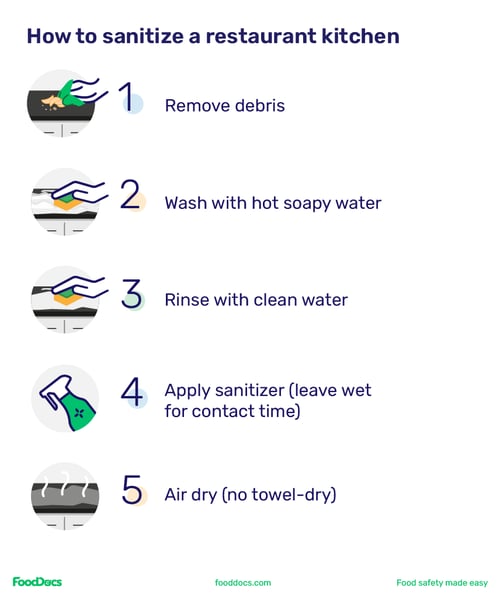
For any food prep counter, cutting board, or equipment surface, use this procedure:
- Remove debris: Scrape or wipe off all leftover food and spills from the surface.
- Wash with detergent: Using hot soapy water, scrub the surface to remove grease and stuck-on residue. A food-grade degreaser may be used for heavy grease.
- Rinse: Rinse the surface with clean water to wash away soap and loosened grime.
- Sanitize: Apply an appropriate sanitizer solution to the surface. You can spray or wipe on a sanitizing solution like a chlorine bleach solution or quat-based sanitizer, ensuring the surface is thoroughly wet. Allow the solution to sit for the recommended contact time. This step is critical for killing pathogens.
- Air dry: Don't wipe the sanitizer off. Let the surface air dry completely, which gives the chemical time to work and avoids re-contamination.
Teams should perform these steps throughout the day on critical surfaces and especially after handling raw meat or allergens to prevent cross-contamination. Sanitizing isn't just for end-of-day. Make it routine between tasks. For example, a chopping board used for raw poultry must be cleaned and sanitized before using it for vegetables or another dish.
Use proper sanitizing methods for utensils and equipment
Dishes, cookware, and utensils must also be sanitized after cleaning. And, on the flip side, utensils should not be dried with a dish towel due to the risk of cross-contamination and bacterial growth.
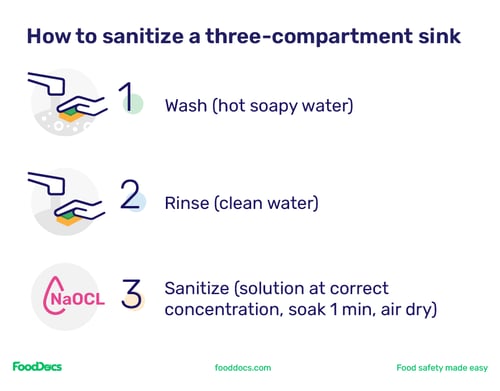
In many kitchens, a commercial dishwasher handles this using either high heat or chemical sanitizing in the final rinse. If washing dishes by hand, the three-compartment sink method is recommended: wash in the first sink, rinse in the second, then soak in a sanitizer solution in the third sink, followed by air-drying.
For a chlorine bleach sanitizing dip, a typical concentration is 50 to 100 ppm of chlorine, made by a small amount of bleach in water, and the items should remain submerged for at least 1 minute before drying. Always let dishes and tools air-dry. Don't towel-dry them after sanitization.
Large kitchen equipment and stationary appliances like stoves, grills, fryers, and mixers also need regular cleaning and sanitizing. Each night, after service, equipment should be cooled, then broken down and cleaned of all food residues. Wipe down equipment exteriors with a food-safe degreaser, then sanitize surfaces that directly contact food.
Restaurant hood filters, range tops, and griddle surfaces, for example, should be cleaned and sanitized daily or as frequently as used. Kitchen sinks and refrigeration units, including shelves and door handles, likewise require sanitizing as part of the routine.
Many appliances have specific cleaning procedures. Always follow manufacturer guidelines, and include those tasks in your cleaning schedule.
Maintain a daily cleaning routine
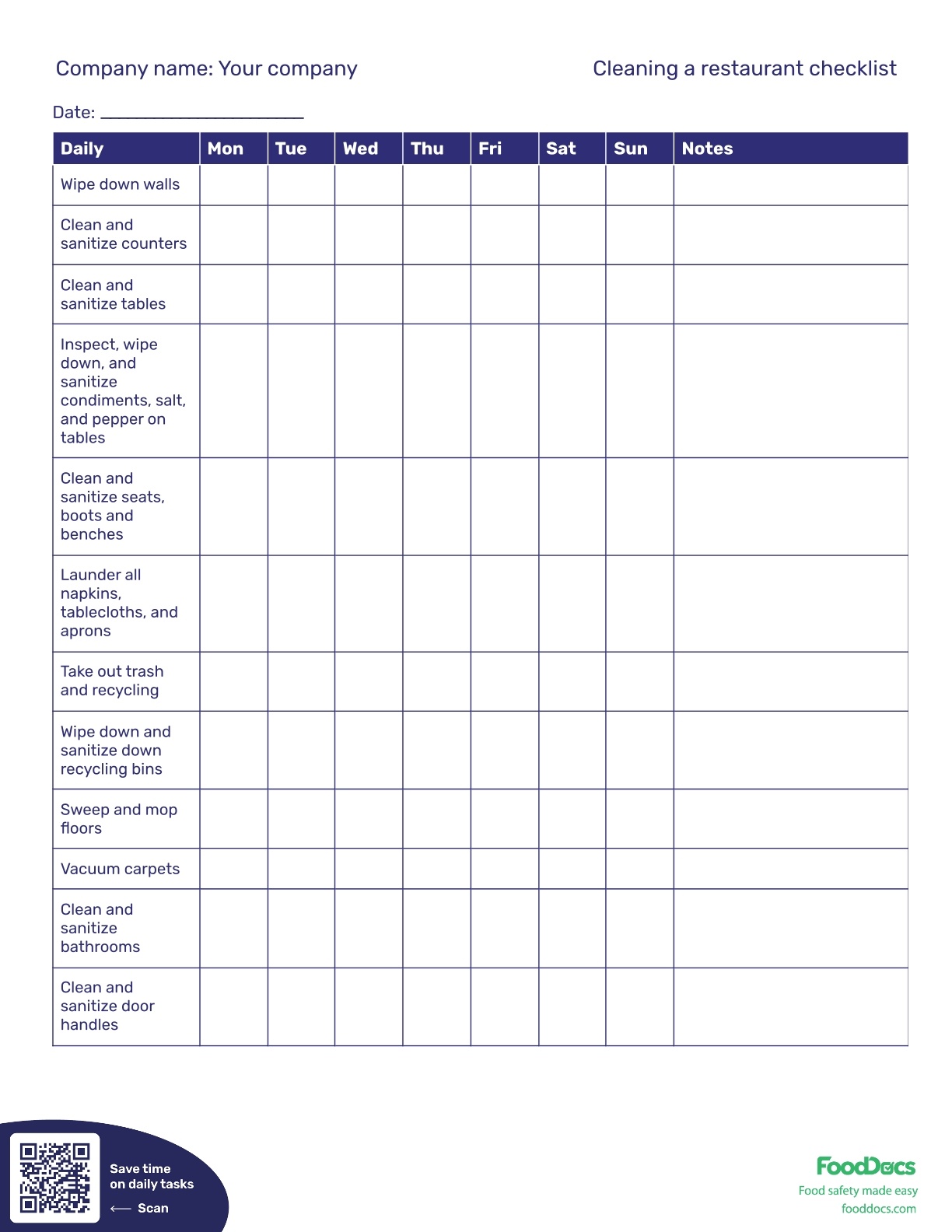
To ensure no area gets overlooked, it's helpful to use a checklist for kitchen sanitation tasks. Below is an example of key back-of-house daily cleaning and sanitizing tasks that should be on your list:
- Food contact surfaces: Wash and sanitize all food prep counters, cutting boards, and work tables after each use or between prepping different foods. This includes line stations and prep areas. Wipe them down frequently during service and do a thorough clean and sanitize at closing.
- Utensils, dishware, and small equipment: Clean and sanitize all dishes, utensils, pots, pans, and smallwares using a dishwasher or the three-sink method every day. Make sure knives, serving utensils, and cutting tools are also sanitized regularly, for example, dip in sanitizer between uses.
- Cooking equipment: Wipe down and sanitize kitchen equipment surfaces. For example, scrape grills and griddles and sanitize the line cooktops once cooled. Clean stove burners, oven racks, panini presses, microwaves, and other equipment that came into contact with food. Don't forget to sanitize appliance handles, knobs, and buttons, as these are high-touch points for staff.
- Floors and trash areas: Sweep and mop the kitchen floors daily with an appropriate floor cleaner, then apply a sanitizer or a disinfectant on floors especially in food prep areas and walk-in cooler floors. Empty all trash bins, then clean and disinfect the bins and lids each day to prevent odor and pest issues.
- Sinks and towels: Scrub and sanitize the dishwashing sinks and prep sinks at the end of the day. Launder or replace wiping cloths and aprons daily, since these items can harbor bacteria. Refill soap dispensers and sanitizing solution buckets or spray bottles so that they're ready for the next shift.
In addition to these daily tasks, schedule deep-cleaning for certain equipment weekly or monthly. For example, each week you might de-scale faucets and sinks, boil out the deep fryer, run a cleaning cycle on the ice machine, and thoroughly clean refrigeration units. Ventilation hoods and grease traps might be serviced monthly. By adhering to a consistent cleaning schedule, you'll minimize the risk of bacteria buildup and ensure your kitchen stays inspection-ready.
Sanitizing dining areas and front-of-house surfaces
Customers directly see and experience the front-of-house cleanliness, so sanitizing here is just as important. Dining rooms, service areas, and restrooms have many high-touch surfaces that can spread germs. Key areas to focus on include tables, chairs, menus, countertops, door handles, and restroom facilities.
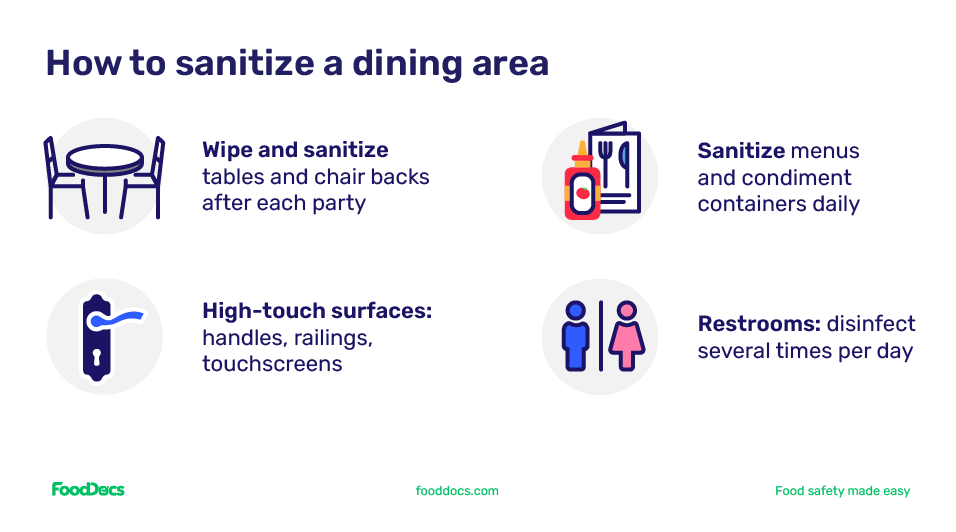
During service, tables and chair arms and backs should be sanitized after each party finishes dining. Train your staff to wipe down the table thoroughly with a food-safe sanitizer before resetting it for the next guest. Don't forget chair backs or booth seats where people touch. If you use reusable menus or placemats, these need to be cleaned and sanitized daily, or switch to single-use or digital menus. Condiment bottles, salt and pepper shakers, and table caddies are handled by every guest. These should be wiped and sanitized routinely, ideally between each customer or at least daily.
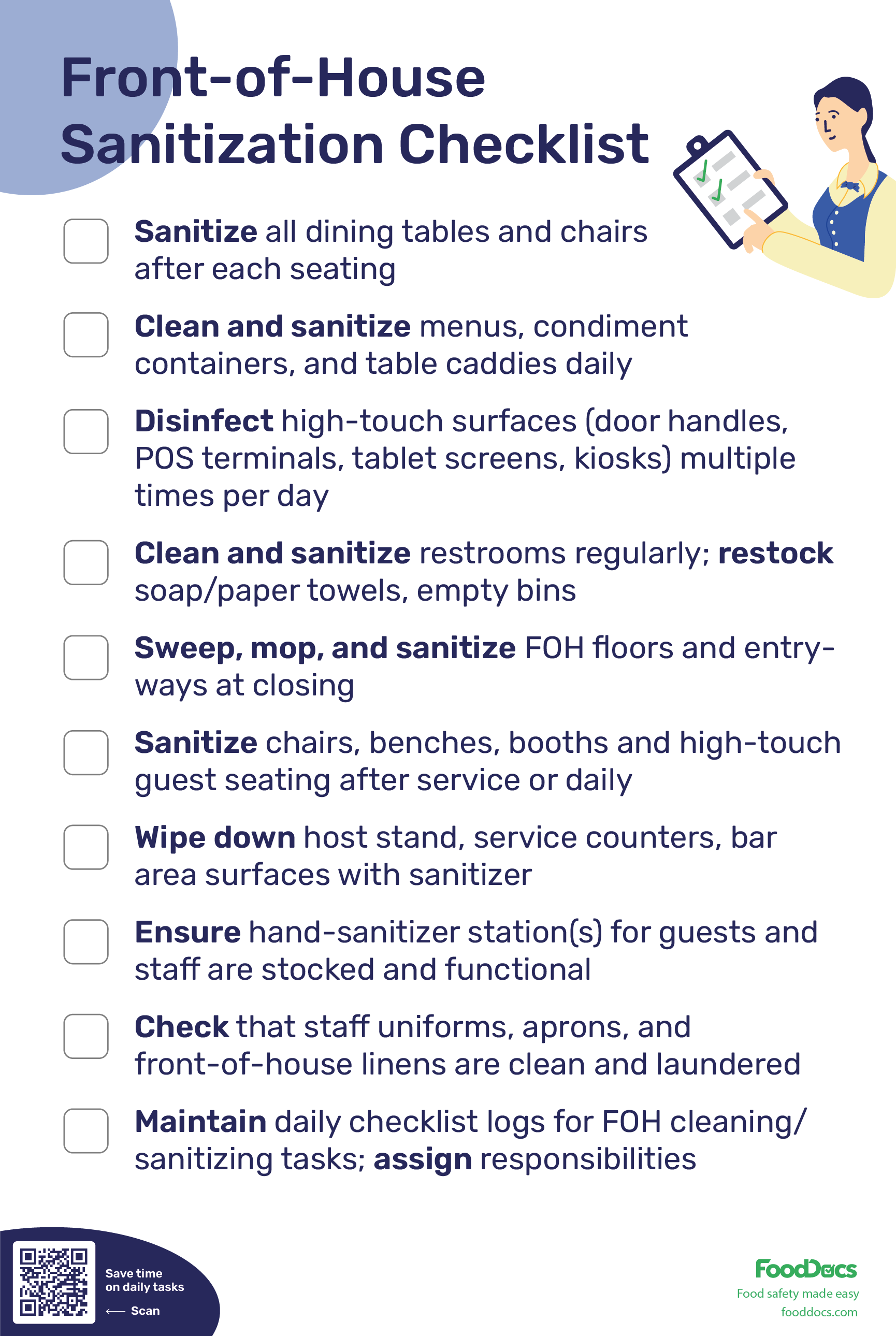
Here's an example front-of-house daily sanitizing checklist with essential tasks:
- Dining tables and chairs: Wipe and sanitize all tables and chairs in the dining area. Do this between customers if possible, or at least clean and sanitize every table at closing time. Pay attention to chair backs, armrests, and booth seats as well, since they're high-touch surfaces.
- Menus and table items: Clean and sanitize menus, placemats, table tents, and condiment containers like ketchup bottles and salt shakers regularly. A good practice is to have multiple sets so you can swap them out for cleaning.
- High-touch surfaces: Disinfect all common touchpoints multiple times a day. This includes door handles, light switches, railings, touchscreens like POS systems or self-order kiosks, and booth partitions. During business hours, assign staff to periodically wipe down these areas with sanitizing wipes or spray.
- Restrooms: Clean and disinfect restrooms thoroughly and often. Bathroom doors, stall handles, faucets, sink basins, and toilet flush handles should be disinfected several times daily. Restrooms should be checked at least every hour for spot-cleaning and stocked with soap and paper. A dirty restroom signals poor overall sanitation to customers.
In the bar area or self-service stations, apply similar diligence. Sanitize the bar top and stools, beverage dispenser nozzles, coffee station surfaces, etc., on a routine schedule. Frequent sanitation of customer-facing areas not only keeps people safe but also reassures guests that your establishment is hygienic.
Don't forget hand hygiene for everyone in the front of house. Consider placing hand sanitizing stations at the entrance and other convenient spots for customers to use. Touch-free hand sanitizer dispensers in the lobby or near the restroom encourage guests to sanitize their hands, adding an extra layer of protection. Likewise, make sure hosts, servers, and bussers wash their hands frequently and use hand sanitizer, especially after clearing tables or handling payments. A culture of cleanliness should extend to every employee and patron interaction.
What is a restaurant sanitizing station?
A sanitizing station is a designated area or setup that provides staff with easy access to sanitizing solutions and tools. Most kitchens keep sanitizer buckets with cloths at each prep station, so workers can quickly wipe down surfaces during shifts.
The sanitizer solution should be at the correct concentration, checked with test strips, and replaced often throughout the day to remain effective. In the dining area, some restaurants set up sanitizing stations with hand sanitizer dispensers for guests, especially near entrances and restrooms.
Having clearly marked sanitizing stations ensures staff and customers always have the means to reduce germs at the point of contact.
The key to monitoring restaurant sanitizing checklists and schedules
Every food safety leader needs to have an overview of the sanitizing checklists because, if left unchecked, your patrons can get sick and inspections can fail. This problem becomes an even bigger one when there are several locations and big teams.
The most effective way to ensure all cleaning and sanitizing tasks get done consistently is to implement an ideally digital checklist and cleaning schedule. Also, let's add that that's why usually bigger companies turn to digital solutions to save time on supervision - instead of driving from one location to another, they have an instant overview.
Breaking tasks down by frequency, like after each use, daily, weekly, or monthly, and assigning responsibility to specific staff members will keep your team organized and accountable.
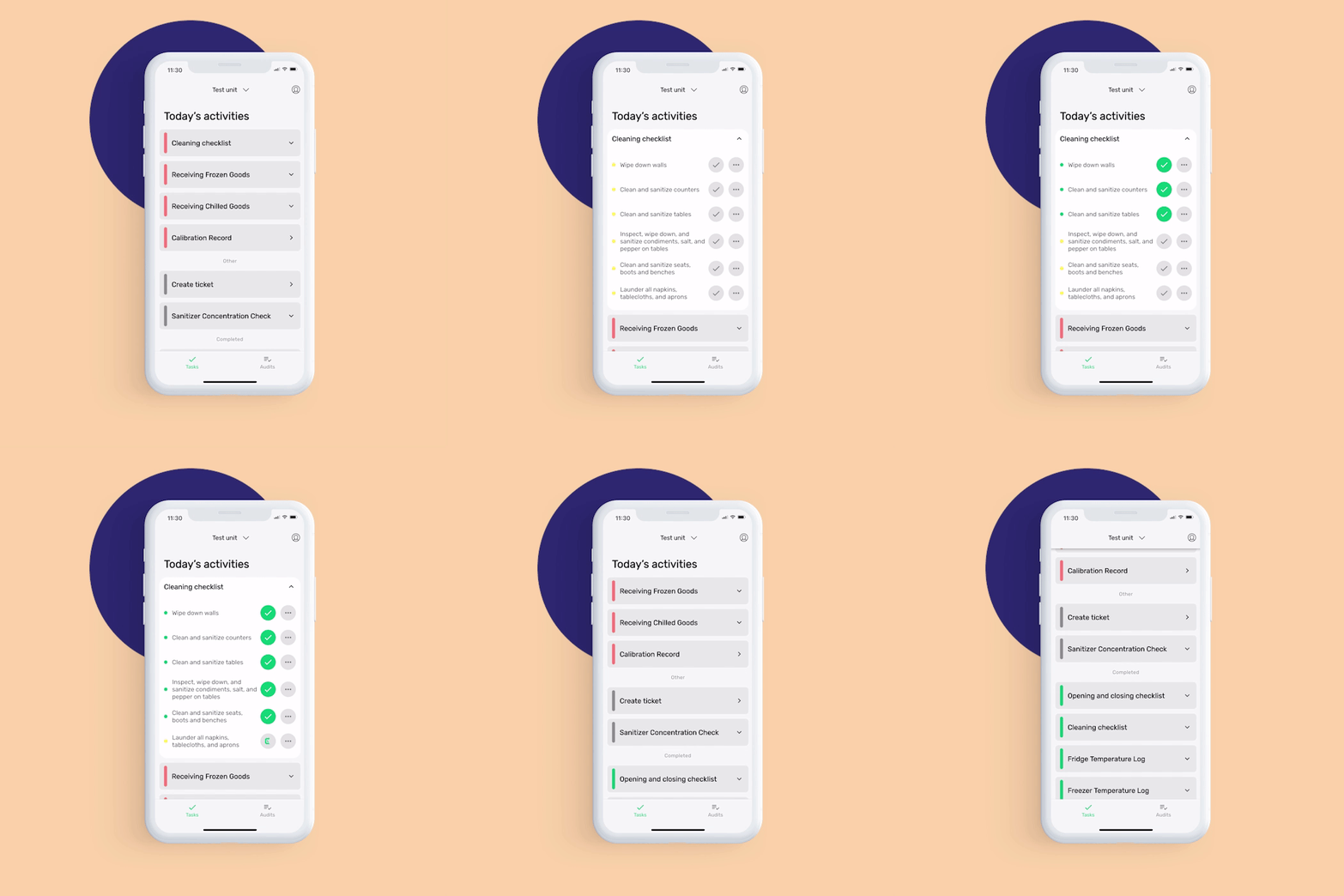
Many restaurants post daily cleaning checklists in visible areas of the kitchen to be checked off as tasks are completed. Great establishments are increasingly using digital monitoring checklists that remind your team to fill checklists on time, are faster to fill and come with a completed timestamp perfect for recordkeeping.
Key elements of a sanitizing schedule include:
- Daily checklists: These cover all routine cleaning and sanitizing tasks that must happen every day, many of which we listed above. Often you'll have separate daily checklists for the kitchen and the dining area. Managers should verify that every item on the daily list is completed at closing, from sanitizing food prep surfaces to mopping floors and disinfecting bathrooms. Using a detailed daily checklist helps ensure critical tasks aren't skipped even on busy nights.
- Weekly tasks: Some sanitizing duties are better done weekly. Create a weekly checklist for deeper cleaning. For example, descale coffee machines, flush and sanitize soda machine lines, empty and clean reach-in coolers, clean oven interiors, degrease hood filters, and move equipment to clean underneath and behind it. Scheduling these heavier tasks on a rotating basis, and perhaps on a slower day of the week, prevents the build-up of grime that daily cleaning might miss.
- Monthly or periodic tasks: A monthly or quarterly schedule might include things like a professional deep-clean of grease traps and exhaust hoods, checking pest control measures, or servicing fire suppression systems. While not daily sanitizing tasks, these maintenance items are important for overall sanitation and safety. Mark these on a calendar so they aren't forgotten.
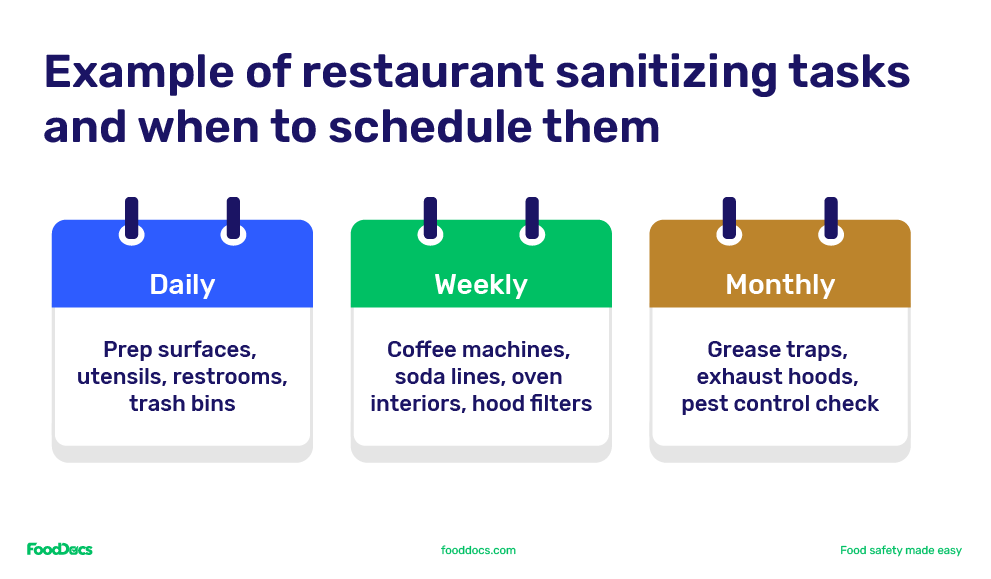
Maintaining structured daily, weekly, and monthly cleaning checklists, and training your staff in these sanitation routines, is key to systematically staying on top of health and safety compliance. Managers or shift supervisors should monitor these checklists and perform walkthroughs. This promotes accountability.
And if you have a health inspection coming up, your records of completed cleaning schedules and SOPs can demonstrate your diligence. In fact, keeping a cleaning log is often part of regulatory compliance.
Finally, remember that written procedures and checklists only work if your staff are well-trained and motivated to follow them. Emphasize training from day one. Every employee should know the proper cleaning and sanitizing procedures for their station. For example, teach kitchen staff exactly how to mix sanitizer and use test strips, and teach front-of-house staff how to correctly sanitize tables without contaminating nearby items.
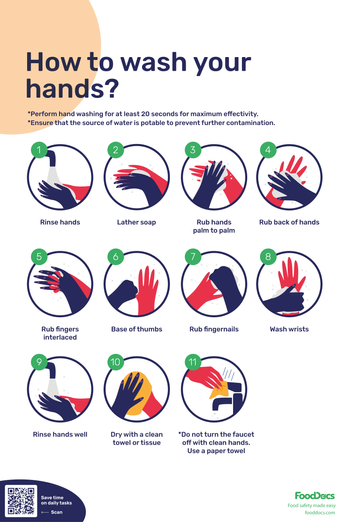
Reinforce key hygiene practices like frequent hand washing with soap, especially after handling raw foods or using the restroom, for all employees. When your team understands why sanitizing is so important and sees it as non-negotiable, they're more likely to execute the cleaning plan consistently.
How does sanitizing affect health inspections?
Health inspectors pay close attention to how restaurants clean and sanitize.
In the U.S., inspectors check that sanitizer solutions are mixed correctly, that test strips are available, and that surfaces and utensils are sanitized as required. In the UK and Ireland, Environmental Health Officers, or EHOs, expect documented cleaning schedules and evidence that sanitizing is part of daily routines.
Failing to properly sanitize can lead to lower food hygiene ratings, fines, or even closure. Consistent sanitation practices not only protect guests but also demonstrate compliance during inspections, which strengthens your restaurant's reputation.
Mastering restaurant sanitizing is an ongoing commitment, but it's one that pays off through safer food, healthier customers, and a stronger reputation. When you clearly understand cleaning versus sanitizing, implementing rigorous routines with checklists, and possibly utilizing digital tools for support, restaurant managers and staff can create an environment where cleanliness is second nature.
How to streamline restaurant sanitation with digital food safety tools
Food safety leaders and executive chefs are increasingly turning to digital solutions to help manage their food safety and sanitation programs. There are now apps and software that can send cleaning task reminders to staff, track completion of sanitizing duties, and store digital records of your hygiene checks. Leveraging such technology can save time up to 10 hours weekly and give managers peace of mind that nothing's slipping through the cracks.
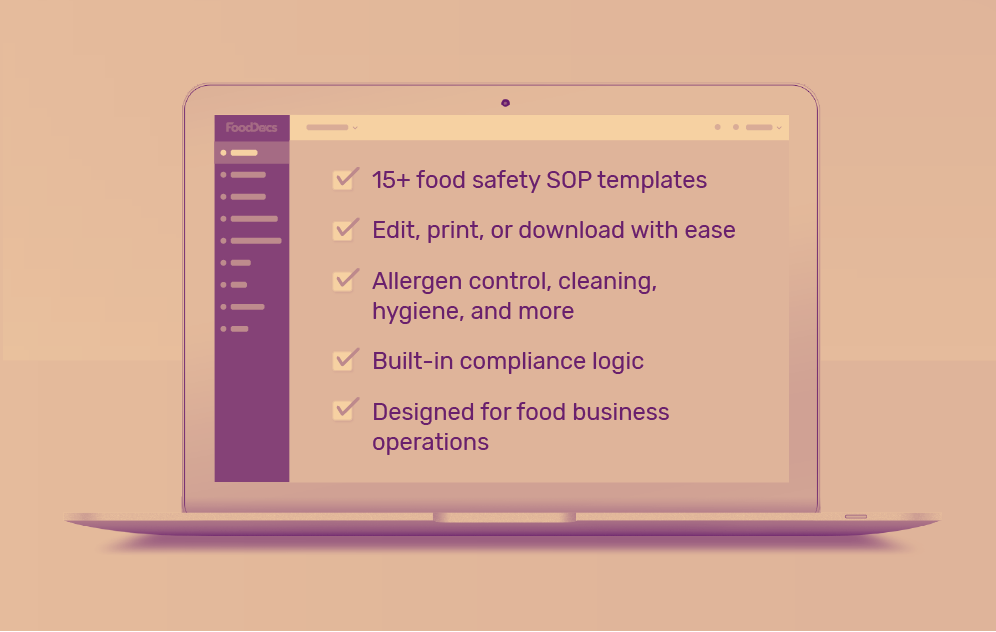
FoodDocs is a digital restaurant food safety platform that enables leaders to achieve monitoring tasks that get done, easily train their staff with step-by-step on-demand instructions, and save time on management.
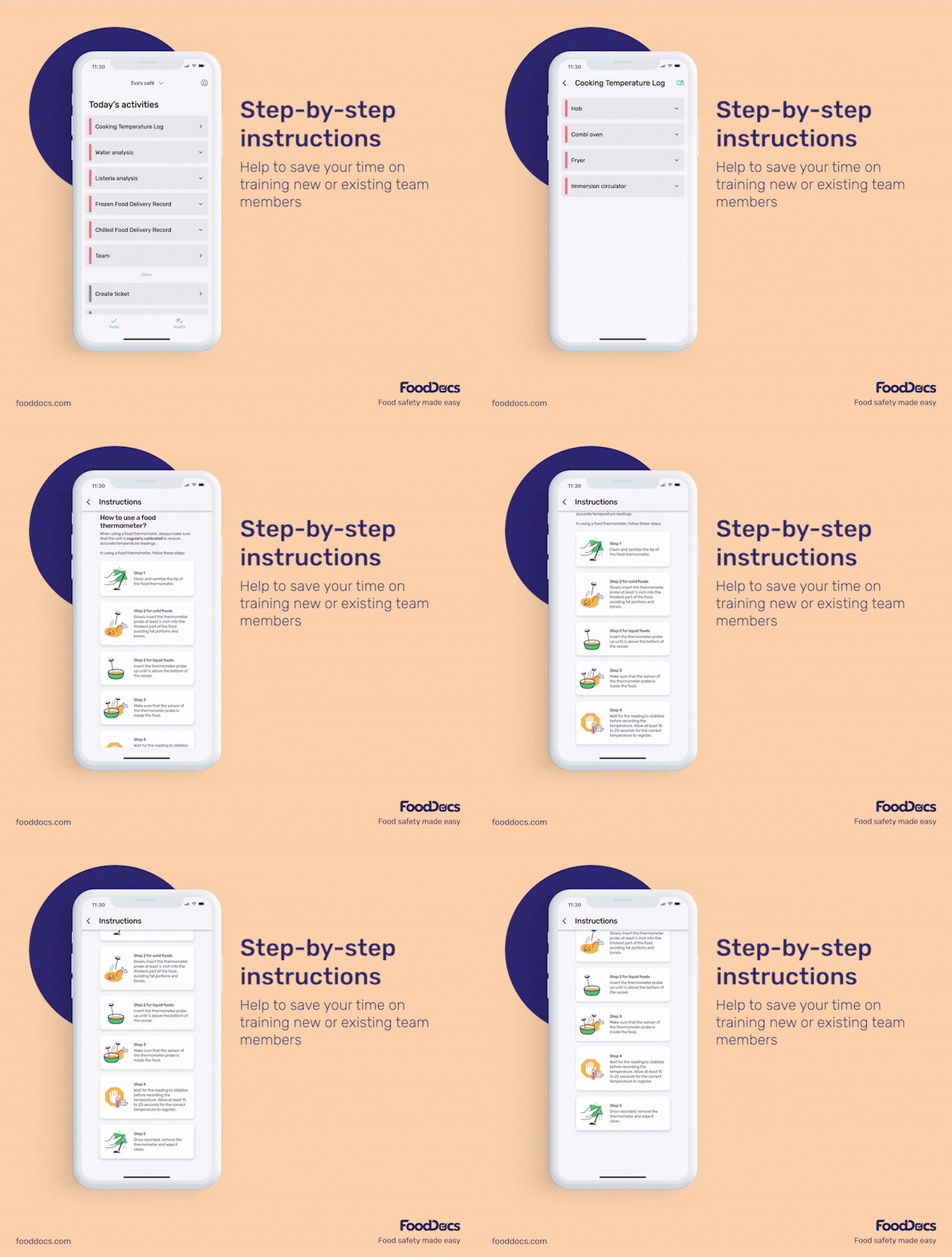
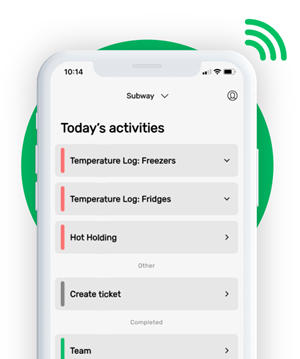
It allows you to create customized cleaning checklists (or does it for you!), then sends automatic notifications to staff when tasks are due. All tasks are tracked in a real-time dashboard, using a simple traffic-light system to flag any misses. With a tool like this, you can instantly see if the lunchtime sanitizer bucket check or the end-of-day floor mopping was completed on time.
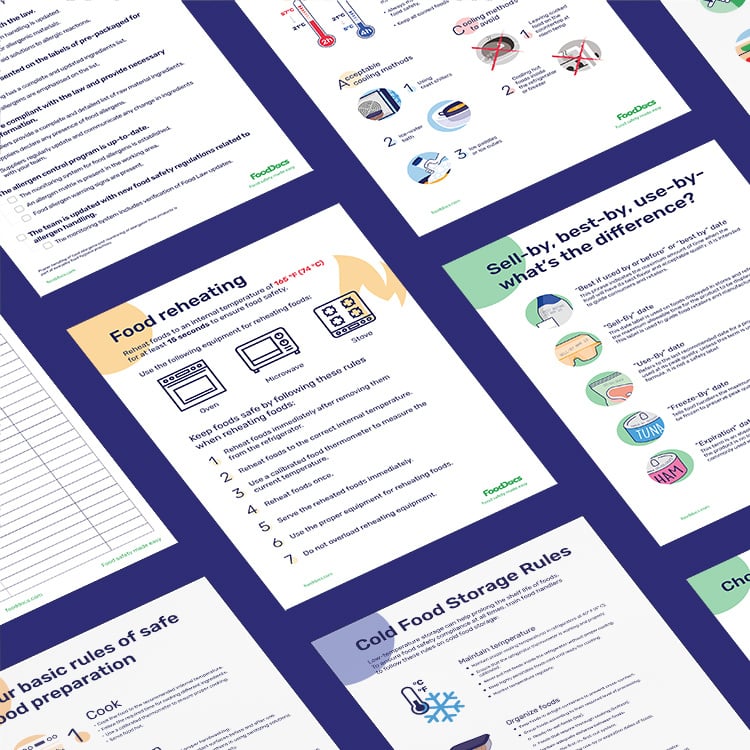
FoodDocs even provides built-in monitoring checks for common cleaning and sanitation Standard Operating Procedures, from equipment cleaning routines to personal hygiene practices, which you can easily customize to your specific restaurant operations with photo and video aids built in.
If managing an ever-growing stack of cleaning checklists and food safety forms feels overwhelming, consider exploring solutions like FoodDocs to help.
Frequently asked questions about restaurant sanitizing

.jpg)