A strong food safety culture helps hospitality and foodservice teams reduce risks, improve compliance, and maintain consistent standards across daily operations.
According to the World Health Organization (WHO) food safety guidance, unsafe food causes around 600 million foodborne illness cases every year. In busy kitchens, care homes, catering operations, and food-to-go businesses, weak food safety habits can quickly lead to operational failures, customer complaints, and failed inspections.
This guide explains what food safety culture means, why it matters, the main elements of a strong culture, and how hospitality teams can improve food safety standards across multiple locations.
What is a food safety culture?
Food safety culture is how your team handles food safety every day.
It includes the habits, behaviours, standards, and attitudes people follow during food preparation, storage, cleaning, monitoring, and service. A strong food safety culture means food safety procedures are consistently followed during daily kitchen operations, not just written down in a handbook.
Food safety culture should be practiced by everyone involved in foodservice operations, from kitchen teams to regional operations managers and executive chefs.

In hospitality and healthcare catering environments, food safety culture often shows up through:
Many operations also strengthen food safety culture by improving controls around biological contamination, microbiological contamination of food, and physical contamination.
When we talk about food businesses, this includes:
- restaurant groups
- care homes
- hotels
- catering operations
- grocery retail kitchens
- food-to-go businesses
- central kitchens
All foodservice operations handling food should always have clear food safety procedures and consistent operational standards.
What is SQF food safety culture?
SQF stands for Safe Quality Food. It is a globally recognised food safety and quality certification programme endorsed by the Global Food Safety Initiative (GFSI).
SQF certification helps foodservice and hospitality operations demonstrate that food safety procedures are properly managed and monitored.
An SQF practitioner usually oversees:
- food safety procedures
- HACCP implementation
- monitoring records
- corrective actions
- audit preparation
- compliance checks
SQF standards can apply to hospitality groups, central kitchens, catering operations, healthcare foodservice, and retail food operations.
Why is it important to have a strong food safety culture?
A strong food safety culture improves operational consistency, reduces food safety risks, and helps teams maintain compliance standards across locations.
It also helps food safety leaders identify problems earlier before they become larger operational issues.
1. Improve compliance consistency
Strong food safety culture helps teams follow food safety procedures consistently across shifts and locations.
This is especially important in multi-site hospitality operations where inconsistent routines can lead to:
- missed checks
- poor hygiene practices
- incomplete monitoring records
- audit failures
Consistent routines also support better HACCP implementation and due diligence documentation.
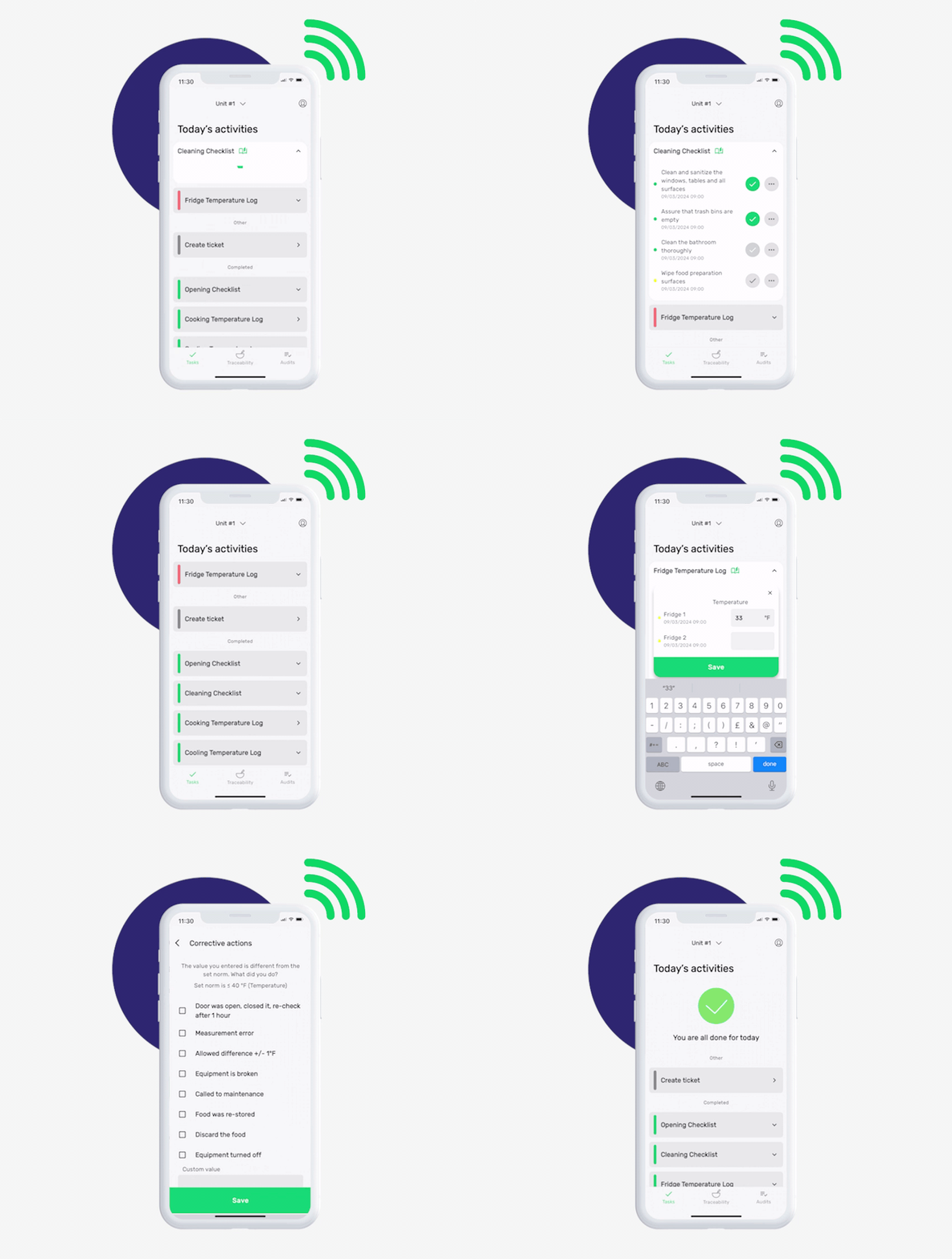
Digital food safety app notifications help your team keep track of and complete all daily food safety tasks on time.
2. Improve audit readiness
Operations with strong food safety culture are usually better prepared for:
- EHO inspections
- internal audits
- third-party food safety audits
According to Food Standards Agency guidance on food safety management procedures, UK food businesses must implement food safety procedures based on HACCP principles.
Clear monitoring records, corrective actions, and staff training all support stronger audit readiness.
3. Reduce food safety risks
Poor food safety culture increases the risk of:
- foodborne illness
- allergen incidents
- cross-contamination
- incorrect temperature control
- missed cleaning tasks
This is particularly important in healthcare foodservice and care home kitchens where vulnerable consumers may face higher risks.
4. Improve operational visibility
Strong food safety culture improves visibility across kitchen operations and helps operations managers identify recurring compliance issues faster.
Many hospitality businesses now use digital food safety systems to improve:
- monitoring consistency
- task completion
- operational oversight
- corrective action tracking
- food safety supervision across multiple locations

Food safety culture examples: what are the 5 elements of safety culture?
The 5 main elements of food safety culture are:
- equality
- accountability
- encouragement
- teamwork
- training
1. Equality
Food safety standards are more likely to be followed when leadership teams follow them too.
For example, if kitchen teams must follow strict hygiene and PPE rules, executive chefs and site managers should follow the same procedures during service and kitchen checks.
This helps build trust and reinforces food safety expectations across the whole operation.
2. Accountability
Accountability means food safety procedures are consistently monitored and enforced.
For example:
- incomplete temperature checks should be corrected
- missed cleaning records should be investigated
- repeated hygiene failures should lead to retraining
Corrective actions should also be properly documented to maintain compliance records.
3. Encouragement
Teams are more likely to follow food safety procedures when good performance is recognised.
For example, regional operations teams may recognise sites that:
- maintain strong audit scores
- complete monitoring consistently
- improve allergen management
- reduce missed checks
Positive reinforcement can help improve long-term food safety habits.
4. Teamwork
Food safety depends on consistent teamwork across kitchen operations.
Cross-contamination risks, allergen controls, cleaning schedules, and temperature monitoring all require strong coordination between teams.
This becomes especially important during busy service periods when operational pressure increases.
5. Training
Regular training is one of the most important parts of food safety culture.
Kitchen teams should receive ongoing training on:
- food hygiene
- allergen management
- temperature control
- HACCP procedures
- corrective actions
- cross-contamination prevention
Teams can also strengthen awareness through training on:

Food safety culture by the GFSI
GFSI stands for the Global Food Safety Initiative.
The organisation helps businesses improve food safety management systems and align with recognised food safety standards.
As part of food safety audits, GFSI-recognised schemes may assess:
- food safety procedures
- operational monitoring
- employee practices
- HACCP systems
- cleaning controls
- compliance records
Recognised schemes include:
- FSSC 22000
- International Featured Standards
- PrimusGFS Standard
- SQF
- Global G.A.P
These schemes help foodservice operations maintain stronger food safety and quality standards.
How to create a food safety culture?
1. Leadership commitment
Food safety culture starts with leadership consistency.
Food safety leaders, operations managers, and executive chefs should clearly define:
- food safety expectations
- operational standards
- monitoring requirements
- corrective action procedures
Teams are more likely to follow procedures consistently when leadership actively supports food safety routines.
2. Explain why food safety matters
Teams should understand why procedures matter operationally.
Instead of only telling employees what to do, explain:
- how food safety protects customers
- how monitoring prevents operational failures
- how compliance affects inspections and audits
This helps improve engagement and long-term consistency.
3. Standardise training and procedures
Food safety procedures should be standardised across all locations and shifts.
This includes:
- cleaning schedules
- temperature checks
- allergen controls
- kitchen opening procedures
- corrective action workflows
Standardised procedures help reduce operational variation across multi-site operations.
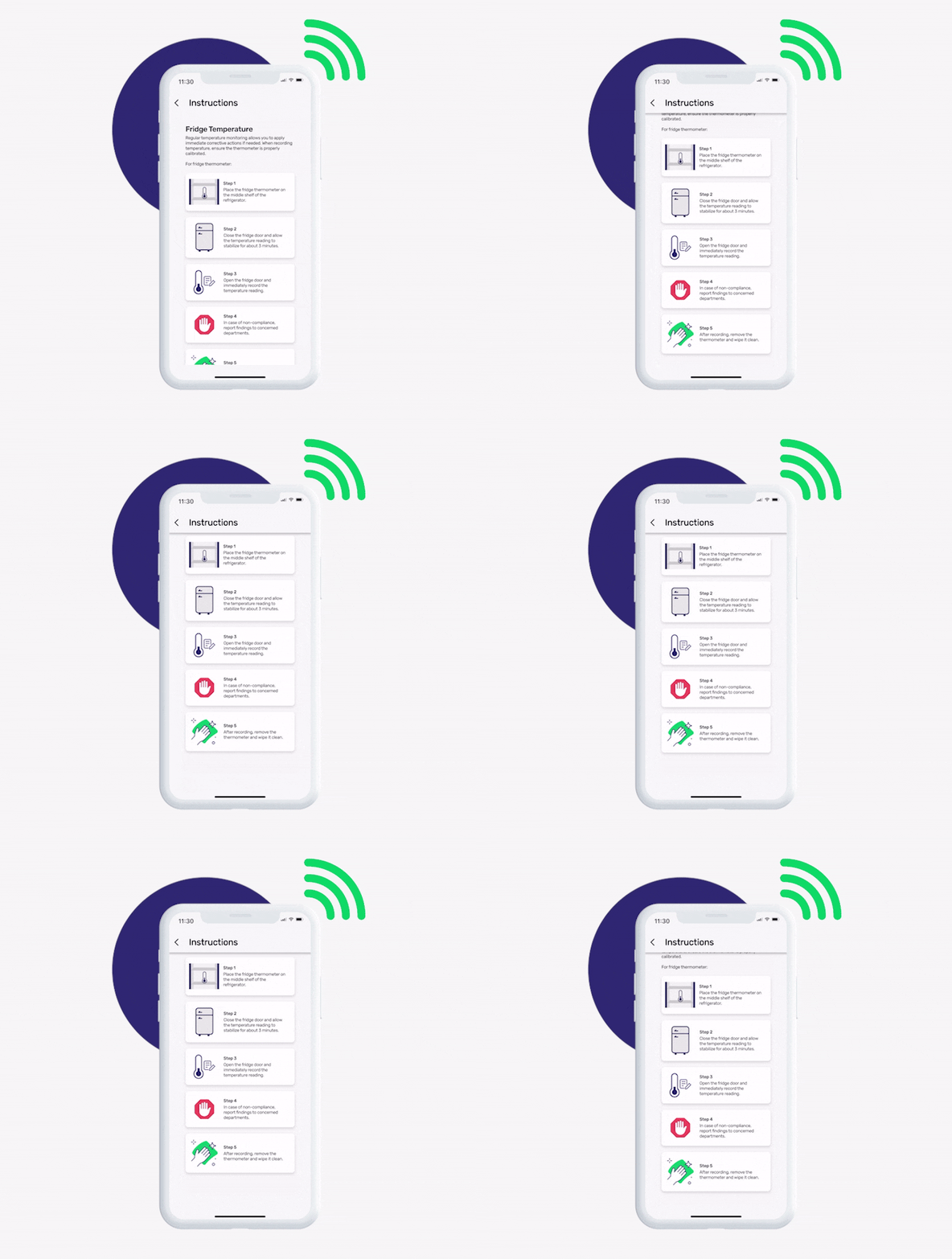
4. Equip teams properly
Kitchen teams need the right equipment and systems to maintain compliance standards.
This may include:
- temperature probes
- monitoring systems
- cleaning equipment
- PPE
- digital food safety tools
Many hospitality operations now move away from paper-based systems because paper records make supervision difficult across multiple sites.
Digital food safety systems can help:
- reduce missed checks
- improve operational visibility
- standardise procedures
- simplify audit preparation
- improve compliance tracking
5. Monitor consistently
Monitoring is one of the most important parts of maintaining food safety culture.
Food safety teams should regularly review:
- temperature records
- cleaning logs
- corrective actions
- hygiene checks
- allergen procedures
- task completion consistency
The UK Government Safer Food Better Business guidance also recommends maintaining clear food safety records and monitoring procedures.

How to improve food safety culture with FoodDocs
Many hospitality and healthcare foodservice operations improve food safety culture by digitising monitoring and compliance procedures.
Paper-based systems can create challenges around:
- missed checks
- incomplete records
- inconsistent supervision
- limited operational visibility
Digital food safety systems help food safety leaders monitor:
- daily compliance
- task completion
- corrective actions
- temperature records
- operational consistency across locations
Frequently Asked Questions