A HACCP plan is a documented food safety system that identifies hazards, establishes controls, and explains how your business keeps food safe
A HACCP plan is a documented food safety system that identifies hazards, establishes controls, and explains how your business keeps food safe. In the UK, HACCP-based food safety management procedures are expected by the Food Standards Agency (FSA) and are routinely reviewed during Environmental Health Officer (EHO) inspections.
If you'd like to continue managing food safety with a paper-based system, you can download our free HACCP plan template above and customise it for your business.
If you'd rather save time, create your HACCP plan with FoodDocs in less than one hour. The system automatically generates all key HACCP documents, including your hazard analysis, flow chart, Critical Control Points (CCPs), prerequisite programmes (PRPs), SOPs, monitoring procedures, and other essential food safety documentation based on your specific operations. Just start 14-day free trial to start.
Whether you run a restaurant group, hotel kitchen, care home, catering operation, food-to-go business, or central production kitchen, a well-structured HACCP plan helps protect customers, demonstrate due diligence, and maintain consistent food safety standards.
Key points covered:
- A HACCP plan identifies food safety hazards and establishes controls to manage them.
- Every HACCP plan starts with preparatory tasks before the seven HACCP principles are applied.
- Reviewing prerequisite programmes is the first step before hazard analysis begins.
- Hazard analysis forms the foundation of every HACCP plan.
- Critical Control Points (CCPs) require measurable limits and monitoring procedures.
- Corrective actions define what happens when a food safety control fails.
- Verification confirms that the HACCP plan remains effective.
- Record keeping provides evidence of compliance during audits and inspections.
- Digital food safety systems like FoodDocs help teams monitor HACCP controls consistently across multiple locations.
- FoodDocs can generate a complete HACCP plan, including hazard analysis, CCPs, flow charts, SOPs and prerequisite programmes in less than one hour
What is a HACCP plan?
A HACCP plan is a written document that explains how a food business identifies, controls, monitors, and verifies food safety hazards throughout its operations.
The plan is based on the principles of Hazard Analysis and Critical Control Points (HACCP), an internationally recognised approach to food safety management. Instead of relying solely on finished-product testing, HACCP focuses on preventing hazards before they affect food.
A HACCP plan typically includes:
Many people use the terms HACCP plan and HACCP system interchangeably, but they are not the same. A HACCP plan is the documented framework, while a HACCP system is the implementation of that framework throughout daily operations.
If you're new to the topic, read our complete guide on what HACCP is and how a HACCP system works before creating your own plan.

The foundation of writing a HACCP plan
Before writing the HACCP plan itself, several preparation activities must be completed. These preliminary steps provide the information needed to perform an effective hazard analysis and build appropriate controls.
The preparatory phase includes:
- Reviewing prerequisite programmes (PRPs)
- Establishing a HACCP team
- Describing products and intended use
- Identifying target consumers
- Creating a process flow diagram
- Verifying the flow diagram and supporting information
Only after completing these activities should the HACCP team begin applying the seven HACCP principles.
The 7 steps of writing a HACCP plan
After the preparation stage, the HACCP team can develop the HACCP plan by applying the seven HACCP principles:
- Identify and analyse hazards
- Determine Critical Control Points (CCPs)
- Establish critical limits
- Create monitoring procedures
- Establish corrective actions
- Establish verification procedures
- Create record-keeping and documentation procedures
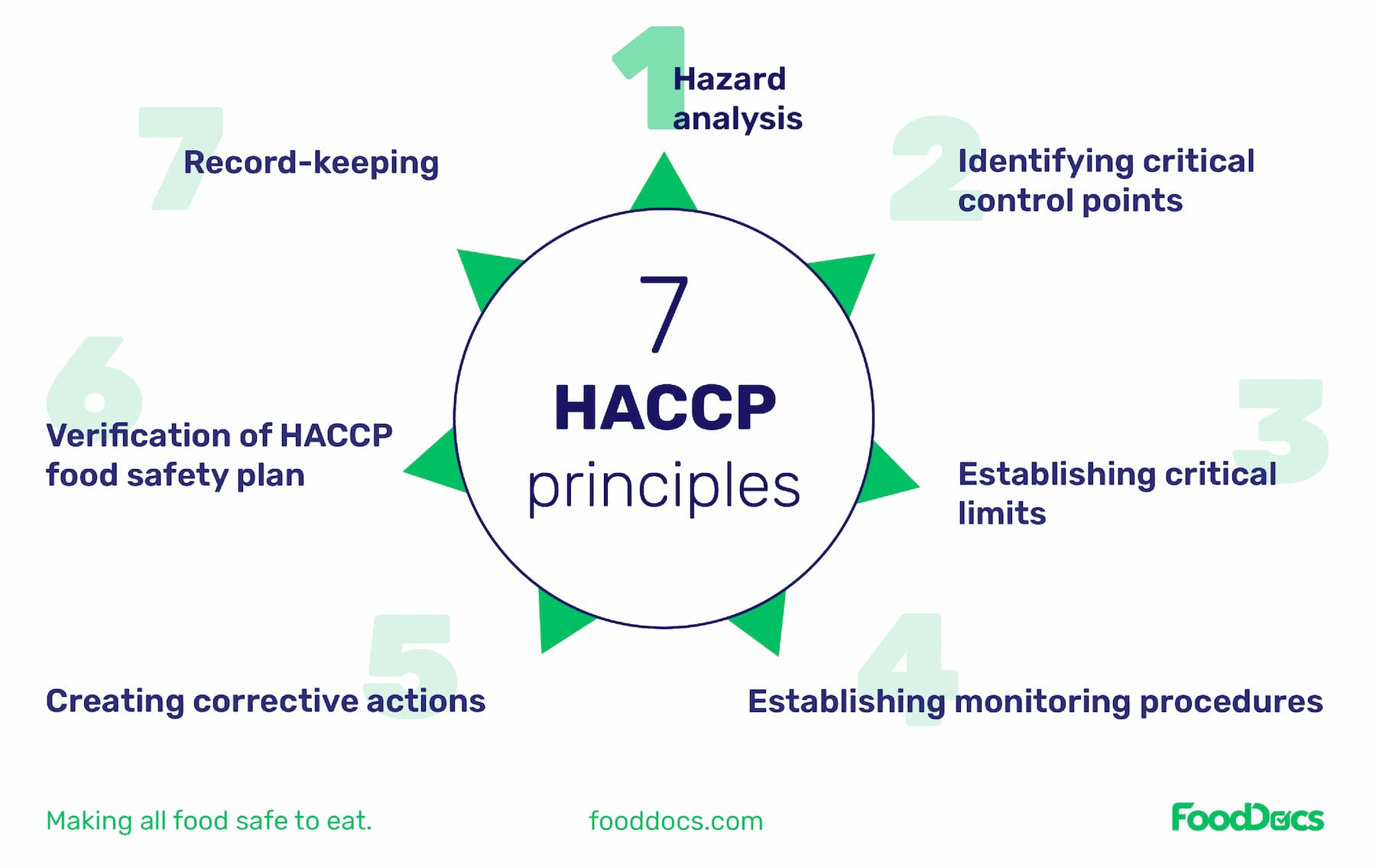
These seven steps form the core of every HACCP plan, regardless of whether the business is a restaurant, hotel, care home, food-to-go outlet, or food production facility.
HACCP plan preparation steps
1. Review prerequisite programmes
The first step of HACCP plan development is reviewing prerequisite programmes (PRPs).
PRPs create the basic environmental and operational conditions needed to produce safe food. They control general food safety risks before hazards are managed through specific HACCP controls.
Without effective prerequisite programmes, a HACCP plan quickly becomes difficult to manage because many routine food safety risks remain uncontrolled.
Examples of prerequisite programmes include:
- Cleaning and sanitation procedures
- Personal hygiene requirements
- Handwashing procedures
- Staff food safety training
- Pest control
- Waste management
- Supplier approval procedures
- Maintenance programmes
- Water quality management
- Allergen controls
 Many hazards that do not require Critical Control Points can be effectively managed through strong prerequisite programmes.
Learn more about prerequisite programmes in HACCP and how they support hazard control.
2. Complete the five preliminary HACCP tasks
Before conducting hazard analysis, the HACCP team must gather information about products, processes, and customers.
Build your HACCP team
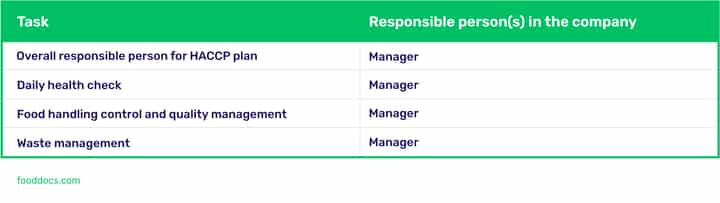 Sample TSample tas divided by HACCP team members
Developing a HACCP plan should never be the responsibility of one person alone.
An effective HACCP team includes representatives from different areas of the business who understand daily operations and can identify potential food safety risks.
The team may include:
- Food safety managers
- Executive chefs
- Kitchen managers
- Operations managers
- Quality assurance personnel
- Engineers and maintenance staff
- Purchasing representatives
- Logistics personnel
Each team member contributes operational knowledge that improves hazard identification and decision-making.
Describe the product and intended use
The HACCP team should document detailed information about the food being produced.
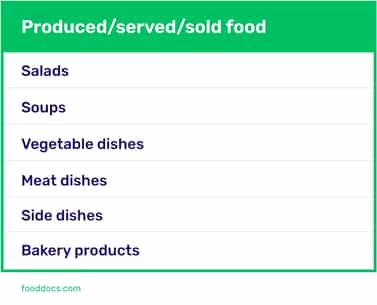
The sample description of general food groups
This information helps determine which hazards may occur and which controls are required.
Typical product information includes:
- Product name
- Ingredients
- Allergen information
- Storage requirements
- Shelf life
- Packaging type
- Distribution method
- Intended use
The more accurate the product description, the easier it becomes to identify relevant food safety hazards.
Identify target consumers
Understanding who will consume the product helps determine risk levels and control requirements.
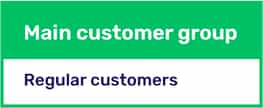
Example of the target consumers
Particular care is required when products are intended for vulnerable groups such as:
- Hospital patients
- Care home residents
- Infants
- Pregnant women
- Elderly consumers
- Immunocompromised individuals
These groups may require stricter controls because they are more susceptible to foodborne illness.
Create a process flow diagram
A process flow diagram provides a visual overview of every step in the food operation.
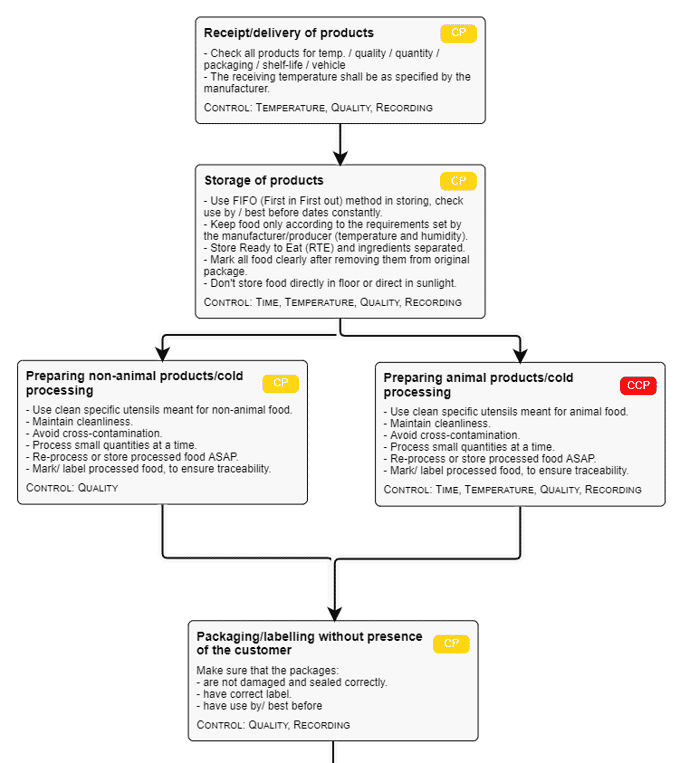
The flow chart should cover the entire process from receiving ingredients through to service or distribution.
Typical steps may include:
- Receiving
- Storage
- Preparation
- Cooking
- Cooling
- Reheating
- Hot holding
- Service
- Distribution
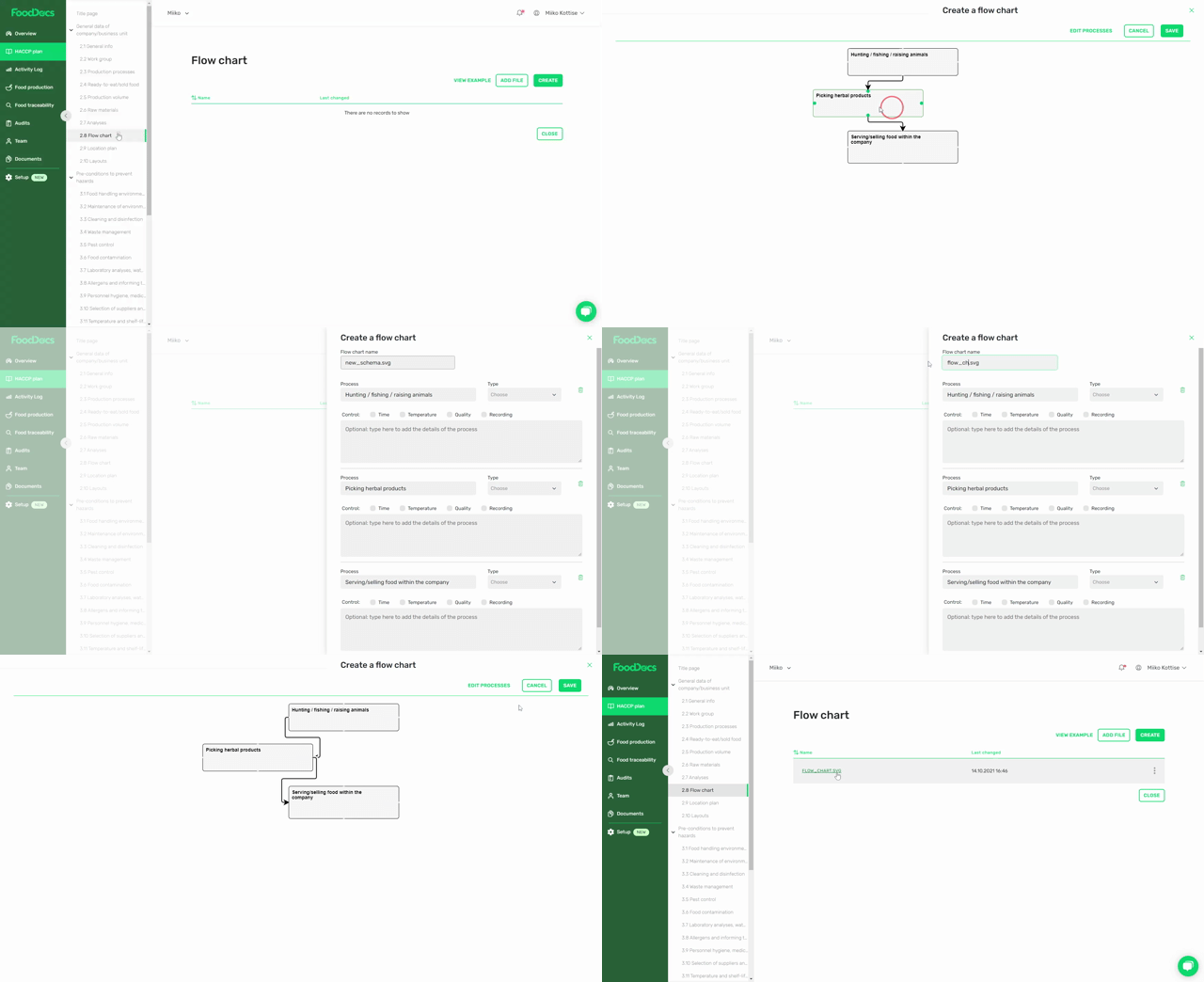
Each product category should have its own flow diagram if the process differs significantly.
Verify the process flow
The HACCP team should physically review operations to confirm that the flow diagram accurately reflects what happens in practice.
Verification often identifies missing steps, shortcuts, temporary storage points, or process variations that may introduce additional hazards.
Only after verification should the team move to hazard analysis.
How to write a HACCP plan: The 7 HACCP principles
Once the preparatory work is complete, the HACCP team can begin building the HACCP plan using the seven HACCP principles.
Step 1. Identify and analyse hazards
Hazard analysis is the foundation of every HACCP plan. The purpose is to identify all reasonably foreseeable food safety hazards that could occur during your operations and determine how they can be controlled.
The three main categories of food safety hazards are:
Examples include:
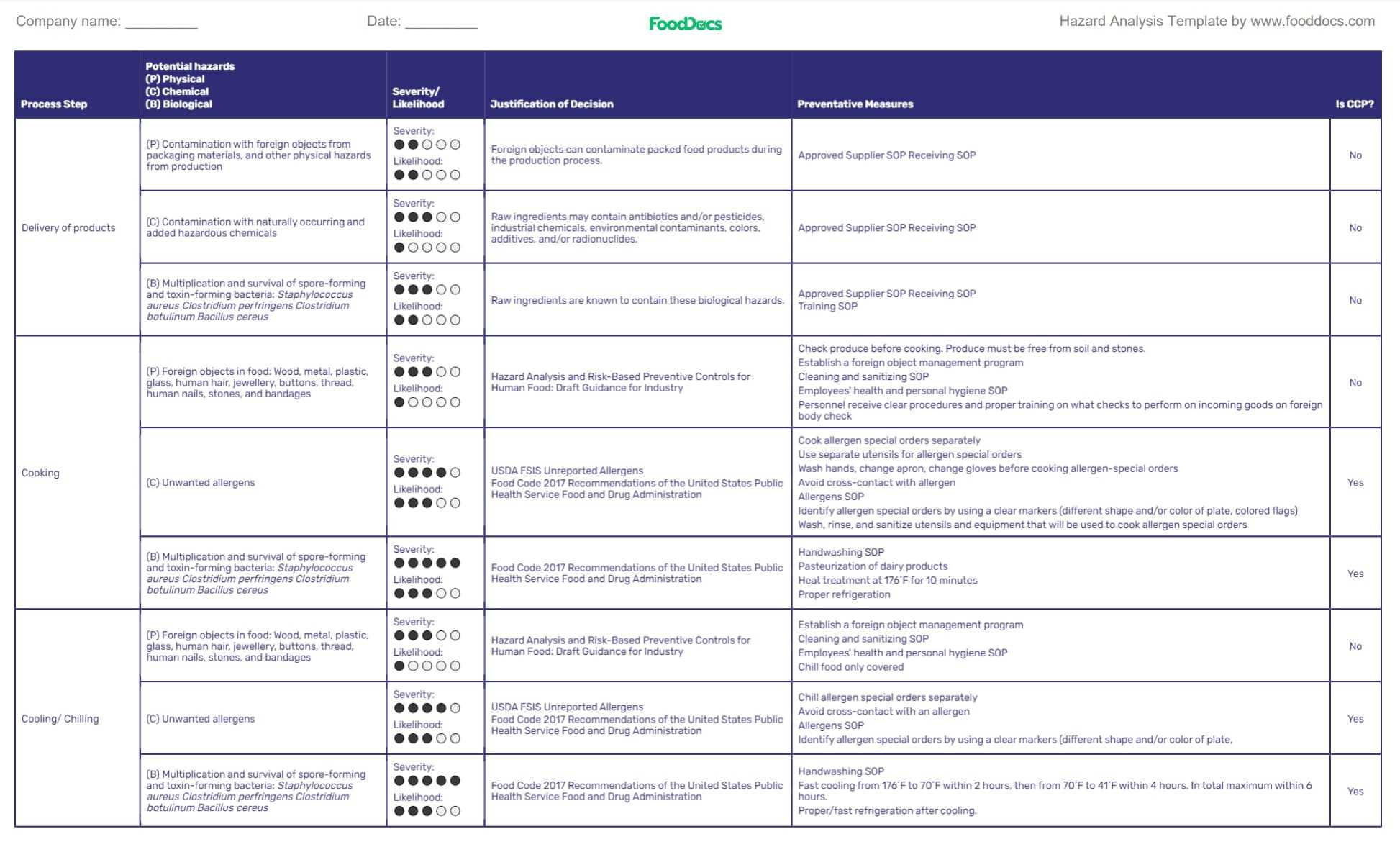
Free Hazard Analysis Template from FoodDocs
For each process step, the HACCP team should assess:
- The likelihood of the hazard occurring
- The potential severity of harm
- Existing control measures
- Whether additional controls are required
For example, a hotel kitchen preparing chicken dishes may identify undercooking as a significant biological hazard because harmful bacteria may survive if the required cooking temperature is not reached.
Understanding common food safety hazards, including biological hazards in food and chemical hazards in food, helps HACCP teams perform more accurate hazard analyses.
FoodDocs HACCP software completes your hazard analysis automatically, in less than 1 hour.
After identifying hazards, the team must determine how each hazard will be controlled. Some hazards may be controlled through prerequisite programmes, while others require Critical Control Points.
Step 2. Determine Critical Control Points (CCPs)
A Critical Control Point (CCP) is a step where control can be applied to prevent, eliminate, or reduce a significant food safety hazard to an acceptable level.
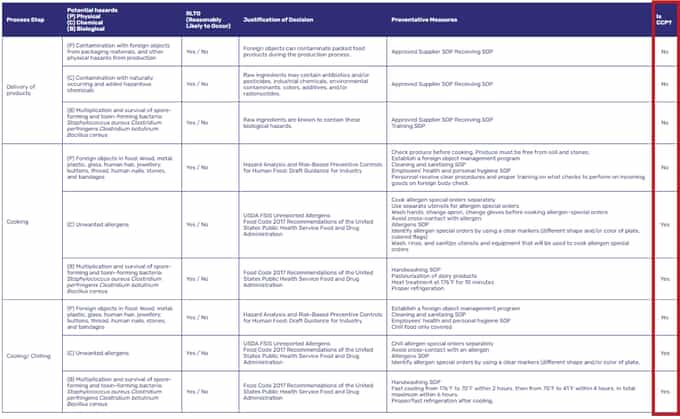
Hazard Analysis Template from FoodDocs (highlighted: CCP decision)
CCPs are usually the most important controls within a HACCP plan because failure at these points can directly affect food safety.
Typical CCPs in hospitality and healthcare operations include:
- Cooking
- Cooling
- Reheating
- Hot holding
- Chilled storage
- Certain receiving procedures
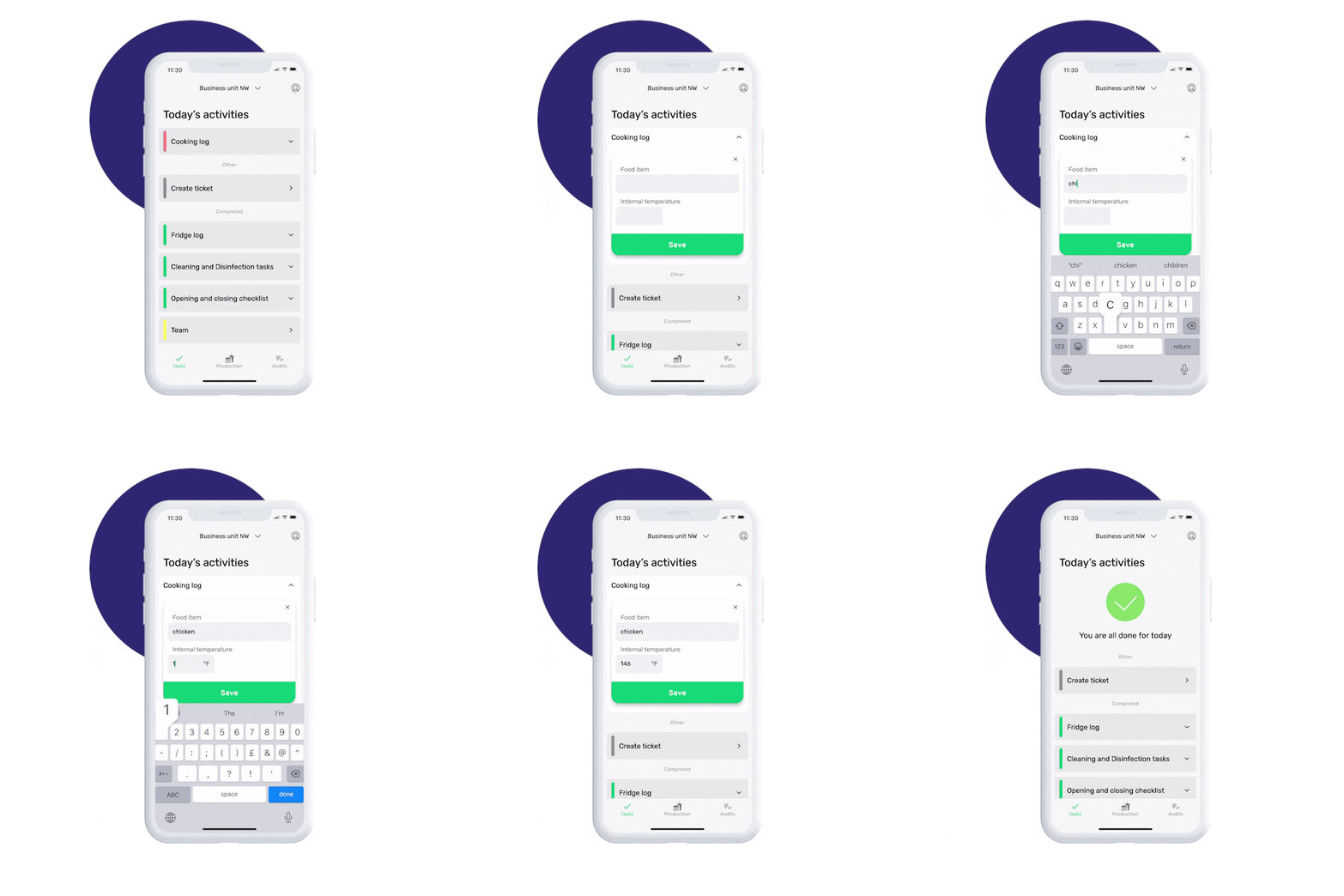 For example, cooking chicken to a safe internal temperature is a CCP because this step eliminates harmful bacteria. If the cooking process fails, there may be no later opportunity to remove the hazard.
A care home kitchen preparing meals for vulnerable residents may identify cooking and cooling as CCPs due to the higher food safety risks associated with those consumer groups.
Many HACCP teams use adecision tree to determine whether a process step should be classified as a CCP.
If you're unsure whether a process step qualifies as a CCP, review our guide to Critical Control Points (CCPs) and practical Critical Control Point examples.
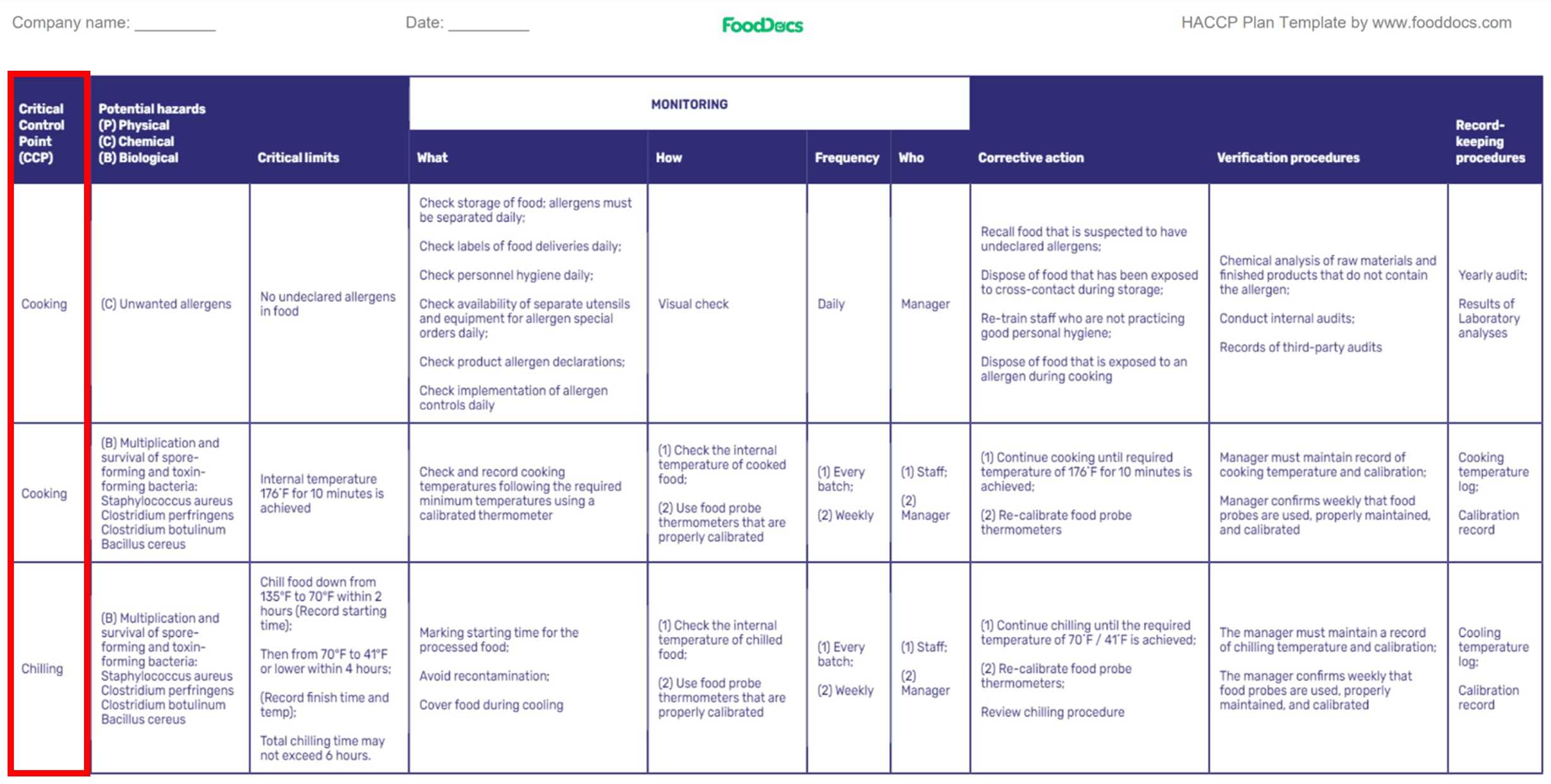
HACCP plan template (Highlighted: Critical Control Points from Hazard Analysis)
Step 3. Establish critical limits
Every CCP requires a measurable critical limit.
A critical limit is the minimum or maximum value that must be achieved to keep food safe.
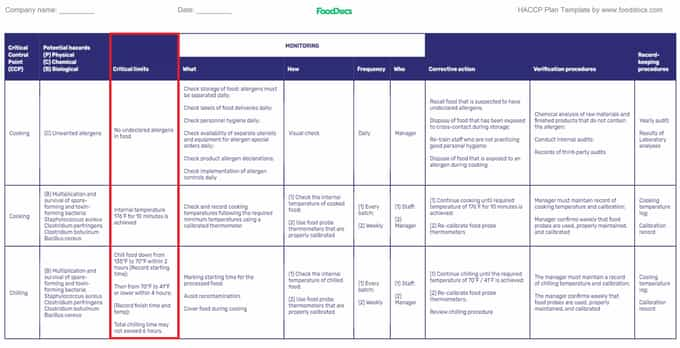
HACCP plan template (Highlighted: Critical Limits)
Critical limits are usually based on:
- FSA guidance
- Scientific research
- Industry standards
- Regulatory requirements
- Validated internal studies
Examples of critical limits include:
| CCP |
Critical limit |
| Cooking poultry |
Minimum core temperature according to validated process |
| Chilled storage |
Maximum storage temperature |
| Hot holding |
63°C or above |
| Sanitising solution |
Required concentration range |
| Cooling |
Defined time and temperature targets |
If a critical limit is exceeded or not achieved, the CCP is considered out of control and corrective action is required.
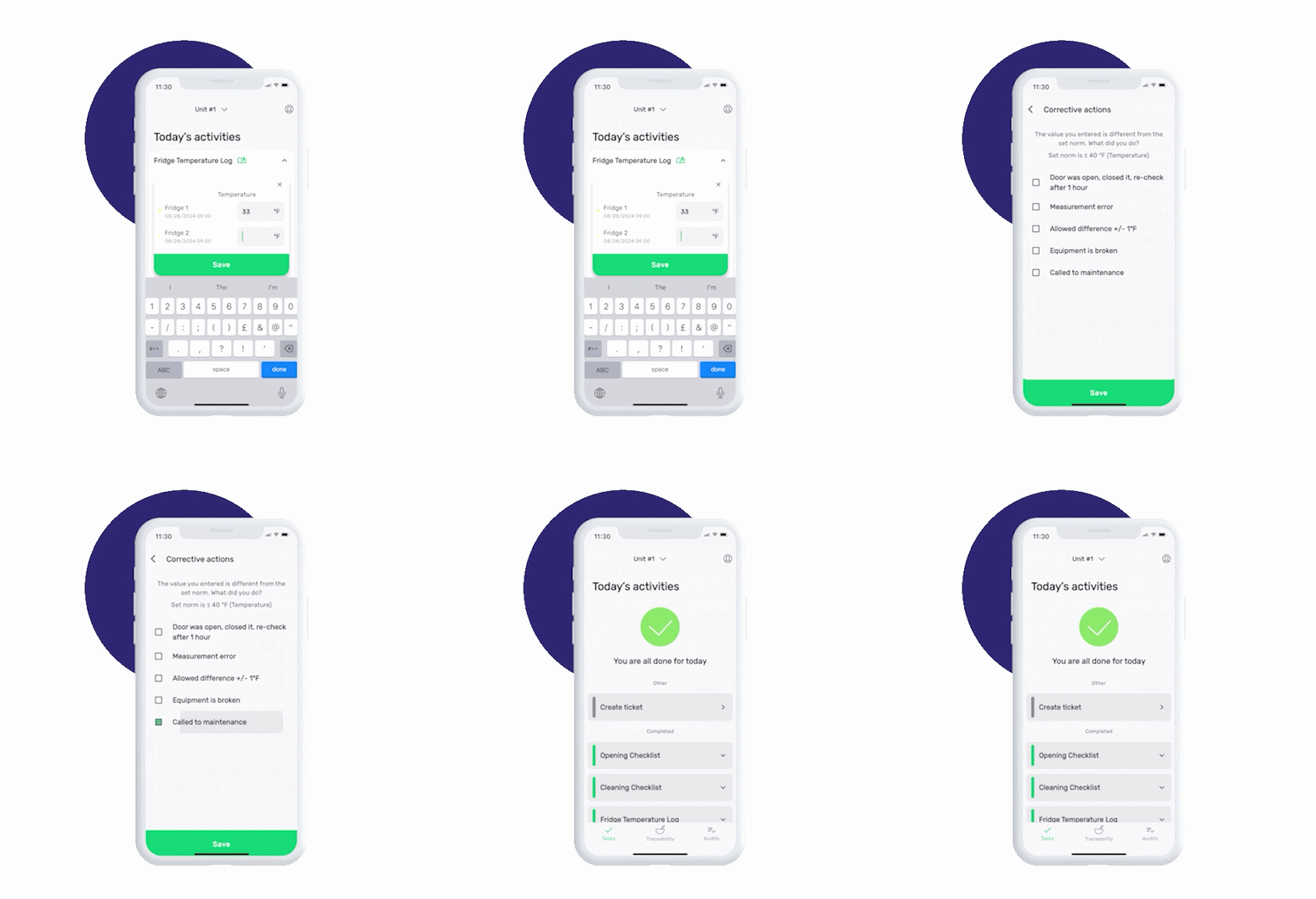
For example, if chilled food is found above the established storage temperature limit, the business must assess product safety and investigate the cause of the temperature deviation.
Step 4. Create monitoring procedures
Monitoring confirms that Critical Control Points remain under control.
Without monitoring, a business cannot demonstrate that food safety controls are functioning correctly.
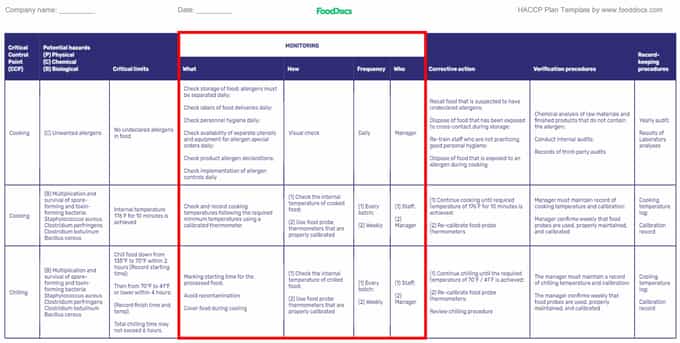
HACCP plan template: (Highlighted Monitoring procedures)
Each monitoring procedure should clearly define:
- What is being monitored
- How it is monitored
- When monitoring takes place
- Who is responsible
- Where records are stored
Examples of monitoring activities include:
| CCP |
Monitoring activity |
| Cooking |
Probe temperature checks |
| Refrigeration |
Temperature recordings |
| Hot holding |
Scheduled temperature checks |
| Receiving |
Product condition and temperature checks |
| Cooling |
Time and temperature monitoring |
Monitoring records provide evidence during audits and EHO inspections that food safety controls are being applied consistently.
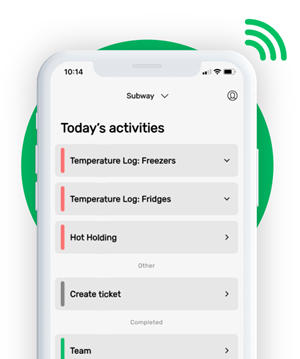
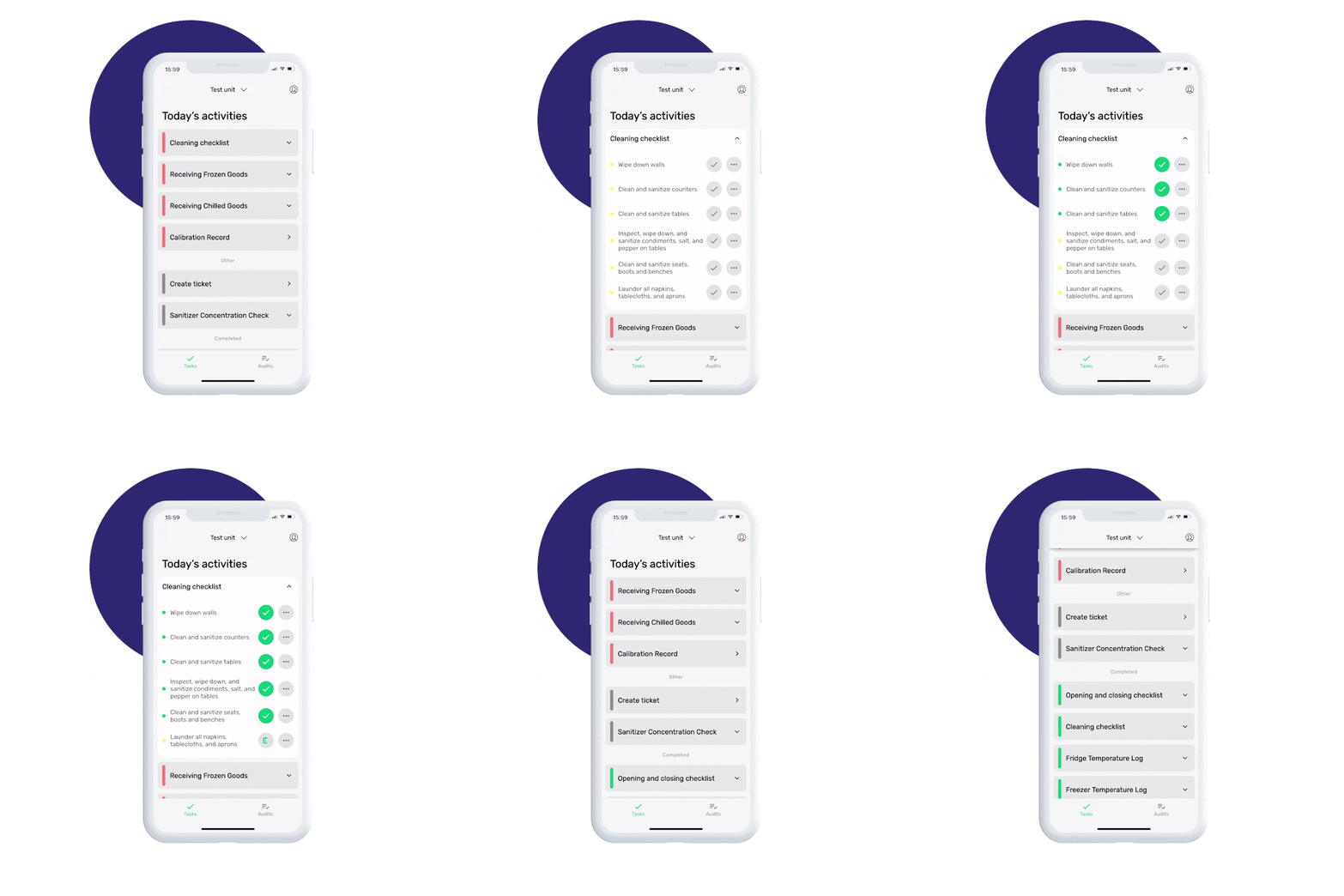
Many businesses now replace paper records with digital monitoring systems. Digital food safety software helps kitchen teams complete checks more consistently while giving food safety leaders real-time visibility across all sites.
Digital monitoring logbook gives you a detailed overview of your completed tasks. This helps save time from going on-site, checking task fulfillment, finding archived logs, and making data analysis possible.
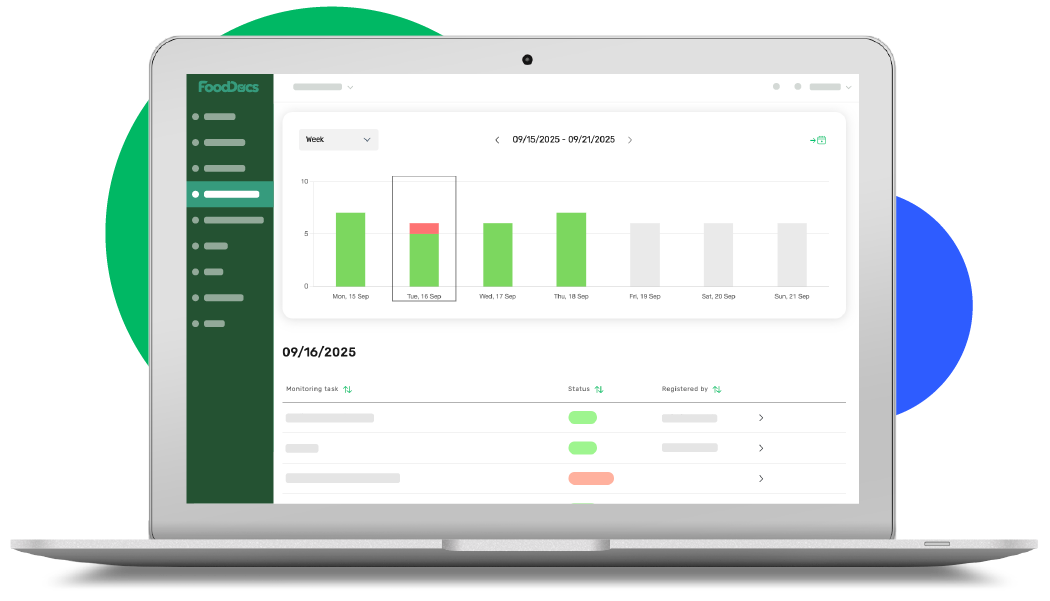
For multi-site restaurant groups, hotels, care homes, and catering businesses, digital monitoring also reduces the time spent reviewing paper records and following up on missed checks.
Step 5. Establish corrective actions
Corrective actions explain what should happen when monitoring shows that a critical limit has not been met.
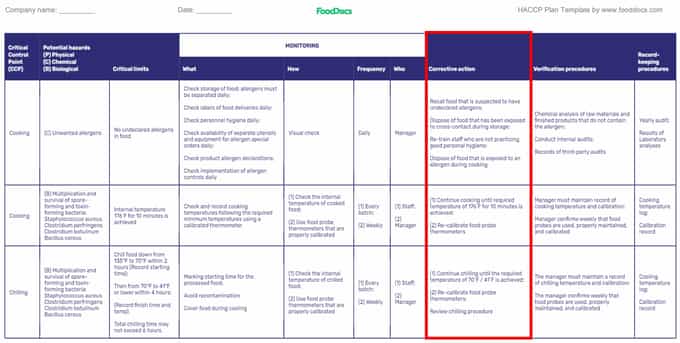
HACCP plan template (Highlighted: Corrective Actions)
The purpose is to:
- Regain control of the process
- Protect consumers
- Prevent unsafe food from reaching customers
- Identify the root cause of the failure
Every corrective action procedure should specify:
- Who takes action
- What action is required
- How affected food is handled
- How the incident is documented
- How recurrence will be prevented
For example, if cooked food fails to reach the required temperature, corrective actions may include:
- Continuing cooking until the target temperature is reached
- Rechecking the temperature
- Recording the incident
- Investigating equipment performance
- Retraining staff if necessary
Well-defined corrective actions help businesses respond quickly and consistently whenever food safety controls fail.
Digital corrective action workflows can further improve response times by automatically notifying responsible employees when issues are detected.
Step 6. Verify the HACCP plan
Verification confirms that the HACCP plan works as intended.
A HACCP plan should not remain unchanged indefinitely. Food processes, menus, suppliers, equipment, and customer requirements evolve over time.
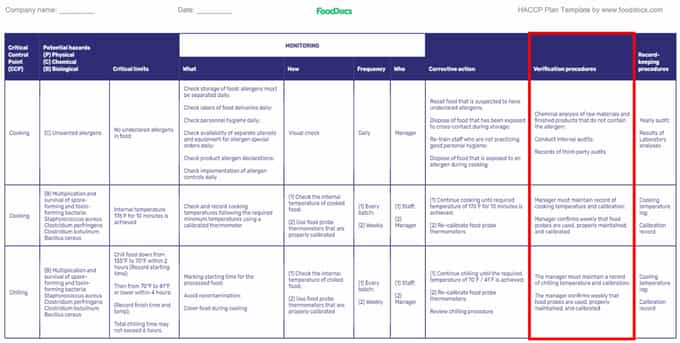
HACCP plan template (Highlighted: Verification Procedures)
Verification activities may include:
- Internal audits
- Management reviews
- Calibration checks
- Product testing
- Review of monitoring records
- Observation of food handling practices
- External audits
Verification helps identify weaknesses before they lead to food safety incidents.
For example, a restaurant group may review cooking temperature records monthly to confirm that CCP monitoring is being completed correctly across all locations.
Step 7. Establish record-keeping and documentation procedures
A HACCP plan depends on accurate documentation.
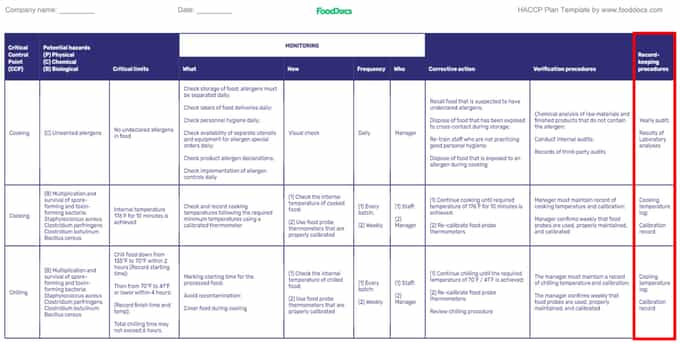
HACCP plan template (Highlight: Determining Record-keeping Procedures)
Records demonstrate that food safety procedures were followed and provide evidence of due diligence during inspections, audits, complaints, or investigations.
Typical HACCP records include:
- Hazard analysis documents
- CCP records
- Monitoring logs
- Corrective action records
- Verification reports
- Calibration records
- Staff training records
- Supplier documentation
- Process flow diagrams
Good record keeping allows businesses to identify trends, investigate incidents, and demonstrate compliance with food safety requirements.
For many organisations, maintaining paper records across multiple locations becomes difficult and time-consuming. Digital systems simplify document management by storing HACCP records, monitoring logs, corrective actions, and verification activities in one place.
.png?width=1650&height=1125&name=FSMS_hero%20(1).png)
HACCP plan example: How FoodDocs helps create a HACCP plan in less than 1 hour
Writing a HACCP plan manually can take days or even weeks. The process often involves multiple meetings, site inspections, hazard assessments, flow chart reviews, document creation, and revisions.
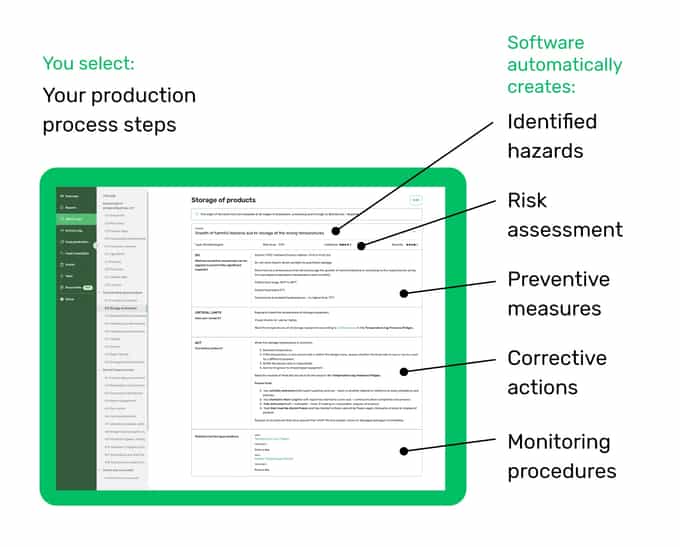
FoodDocs simplifies this process with an AI-powered HACCP plan builder that automatically generates the key components of a HACCP plan based on your specific operations, within less than 1 hour, using AI.
Instead of creating every document manually, you answer a series of questions about your business, including:
- Business type
- Products and ingredients
- Food preparation processes
- Storage methods
- Service style
- Operational scale
Based on your answers, FoodDocs automatically generates:
- Hazard analysis
- Critical Control Points (CCPs)
- Critical limits
- Flow charts
- Prerequisite programmes (PRPs)
- Standard Operating Procedures (SOPs)
- Monitoring procedures
- Verification procedures
- Record-keeping requirements
This allows food safety teams to create a HACCP plan up to 500 times faster than traditional manual methods.
Unlike generic HACCP plan templates, the generated documents are tailored to your operations and can be edited whenever your menu, processes, equipment, or suppliers change.
HACCP plan and monitoring in one system
Creating a HACCP plan is only the first step. The plan must also be implemented and maintained through daily monitoring.
FoodDocs supports HACCP implementation with:
- Digital monitoring logs
- Temperature records
- Corrective action workflows
- Verification records
- Traceability management
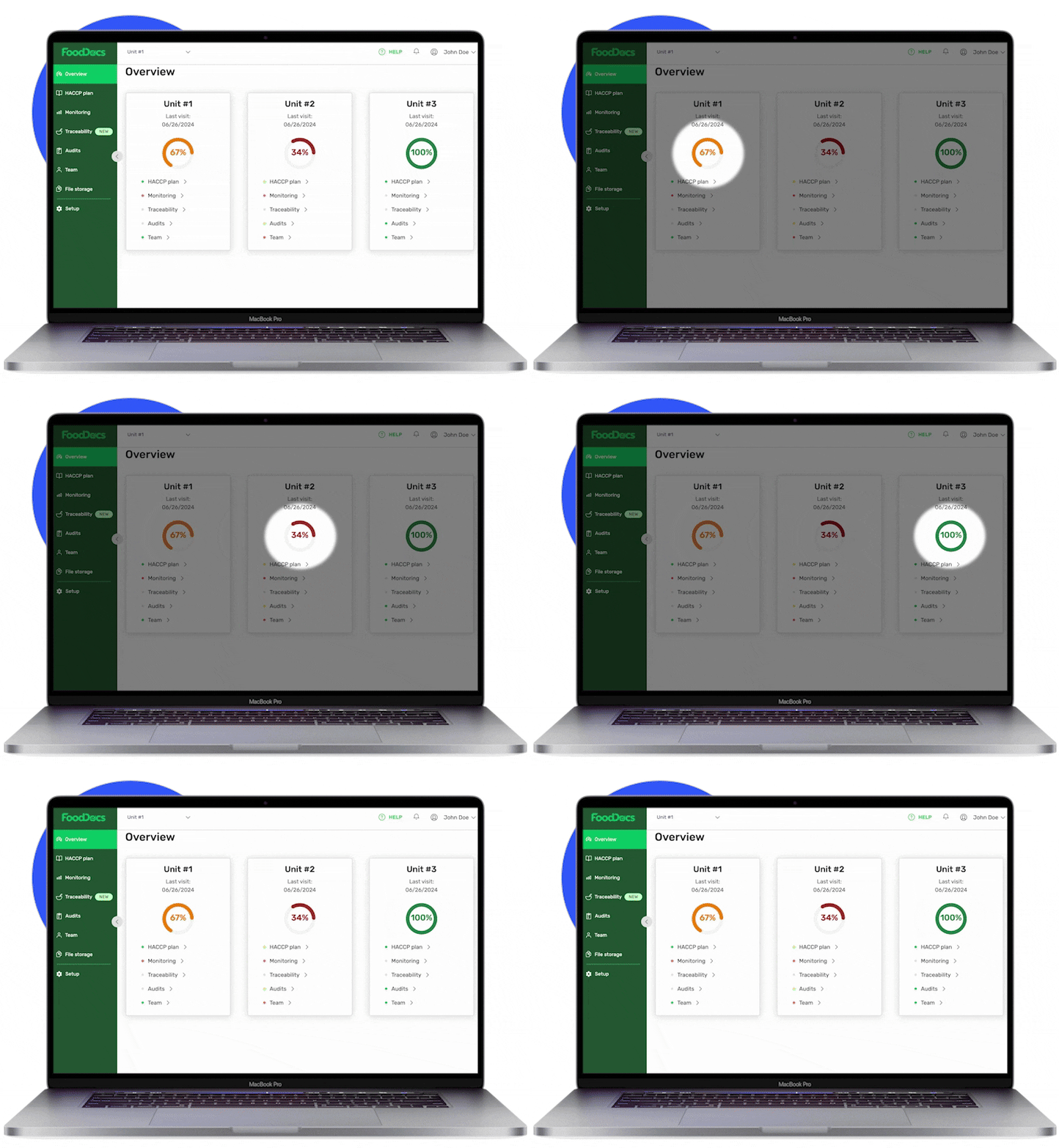
- Multi-site reporting
- Real-time compliance visibility
For hospitality groups, care homes, hospitals, catering businesses, and food-to-go operators, this helps ensure food safety procedures are followed consistently across all locations.
Instead of reviewing paper records manually, food safety leaders can quickly identify missed checks, recurring issues, and trends that require attention.
When should a HACCP plan be checked?
A HACCP plan should be reviewed whenever there is a significant change that could affect food safety.
Examples include:
- New menu items
- New suppliers
- New equipment
- Changes to processes
- New premises
- Food safety incidents
- Customer complaints
- Audit findings
- Regulatory updates
Even without major changes, many businesses review their HACCP plan annually to confirm that it remains accurate and effective.
Regular reviews help ensure that hazards, Critical Control Points, critical limits, and monitoring procedures still reflect current operations.
With digital HACCP Plan, you can always log in, make the needed changes and your HACCP Plan is up-to-date again.
Can I write my own HACCP plan?
Yes, many food businesses develop their own HACCP plan internally.
However, creating a HACCP plan requires a good understanding of:
- HACCP principles
- Food safety hazards
- Risk assessment
- Critical Control Points
- Monitoring procedures
- Corrective actions
- Verification requirements
Smaller businesses often use HACCP plan templates, consultants, or digital HACCP software to simplify the process and reduce the risk of missing important controls.
The most effective HACCP plans are usually developed by a multidisciplinary team that understands both food safety and day-to-day operations.
Frequently asked questions