EHO Meaning: What Environmental Health Officers Check During Inspections
An Environmental Health Officer (EHO) is the local authority officer responsible for checking whether food businesses follow UK food safety laws and hygiene standards.
For hospitality and healthcare foodservice teams, EHO inspections are a routine part of running compliant kitchen operations. EHOs assess food hygiene, food safety procedures, cleanliness, allergen controls, HACCP systems, staff practices, and whether records are kept properly.
For multi-site operations, EHO inspections also help identify whether food safety standards are being followed consistently across locations.
What does EHO stand for?
EHO stands for Environmental Health Officer.
EHOs work for local authorities across the UK and are responsible for enforcing food hygiene and food safety regulations. They inspect food businesses to check whether food is handled safely and whether operations comply with Food Standards Agency (FSA) requirements.
They commonly inspect:
- Restaurant groups
- Hotels
- Care home kitchens
- NHS and healthcare catering operations
- Food-to-go businesses
- Catering operations
- Supermarket and grocery retail kitchens
- Central production kitchens
EHOs may carry out announced or unannounced visits depending on the risk profile and inspection history of the operation.
According to the Food Standards Agency, food businesses in the UK must have food safety procedures based on HACCP principles.
What is an EHO inspection?
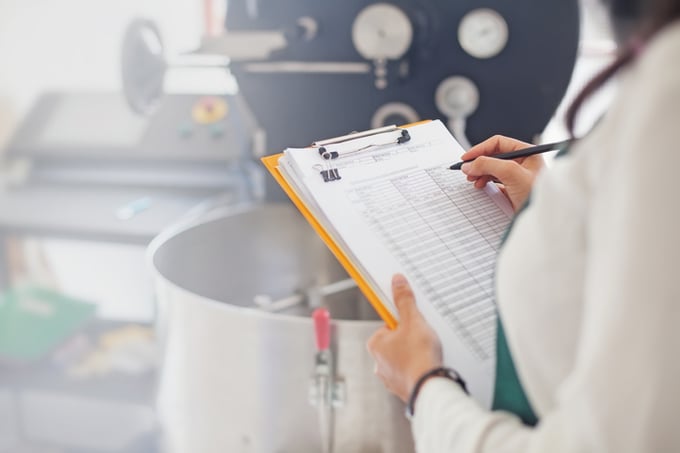
An EHO inspection is a food hygiene inspection carried out by a local authority Environmental Health Officer.
The purpose is to assess whether kitchen operations are safe, hygienic, and compliant with UK food safety legislation.
During inspections, EHOs usually review:
- Food storage temperatures
- Cleaning standards
- Cross-contamination controls
- Allergen management procedures
- HACCP documentation
- Staff hygiene practices
- Probe calibration records
- Pest control measures
- Corrective actions
- Food traceability
- Staff food safety training
In larger hospitality groups and healthcare operations, EHOs often look closely at whether procedures are followed consistently across shifts and locations.
Many teams prepare for inspections using internal audits and operational checklists such as this EHO checklist.
What happens during an EHO inspection?
Most EHO inspections follow a practical walkthrough of kitchen operations.
The officer will normally observe how food is stored, prepared, cooked, cooled, labelled, and monitored. They may also speak with kitchen staff to check whether food safety procedures are understood and followed in practice.
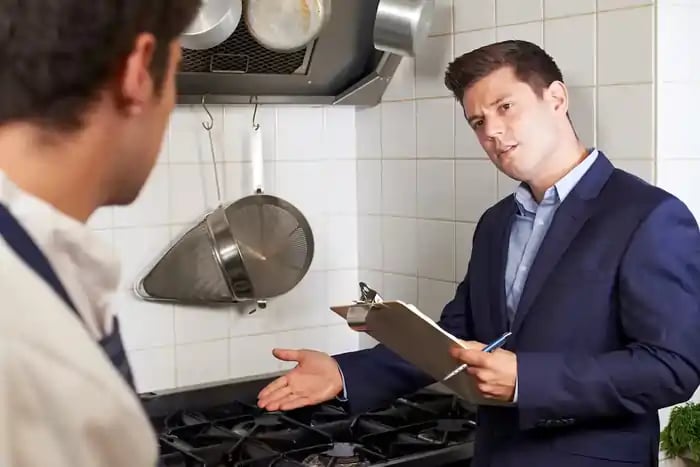
A typical inspection may include:
Kitchen walkthrough
The EHO checks:
- Cleanliness of food preparation areas
- Condition of equipment
- Handwashing facilities
- Fridge and freezer temperatures
- Separation of raw and ready-to-eat foods
- Chemical storage
- Waste management
Food safety records review
The officer may ask to see:
- HACCP plans
- Temperature logs
- Cleaning schedules
- Opening and closing checklists
- Supplier records
- Allergen documentation
- Corrective action records
For example, a care home kitchen may need to show how chilled food temperatures are monitored throughout service and what corrective actions are taken if food exceeds safe limits.
Staff knowledge checks
EHOs often ask operational questions such as:
- What do you do if a fridge goes above 5°C?
- How do you prevent allergen cross-contact?
- How are cleaning tasks verified?
- What happens when checks are missed?
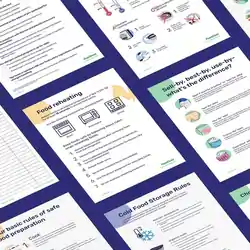
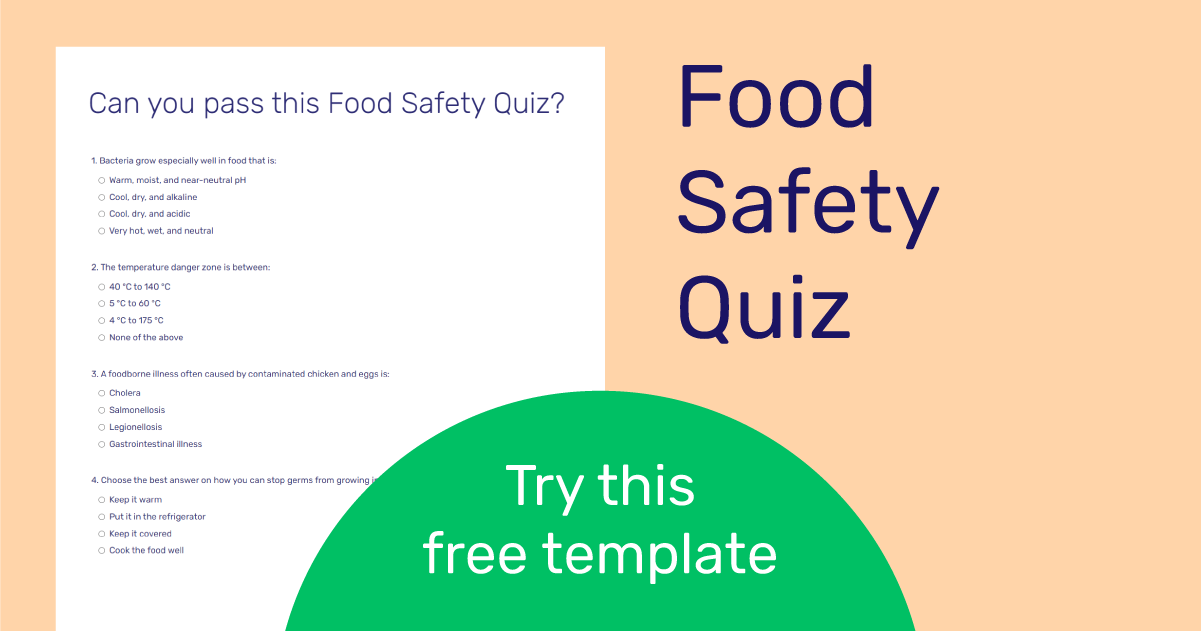
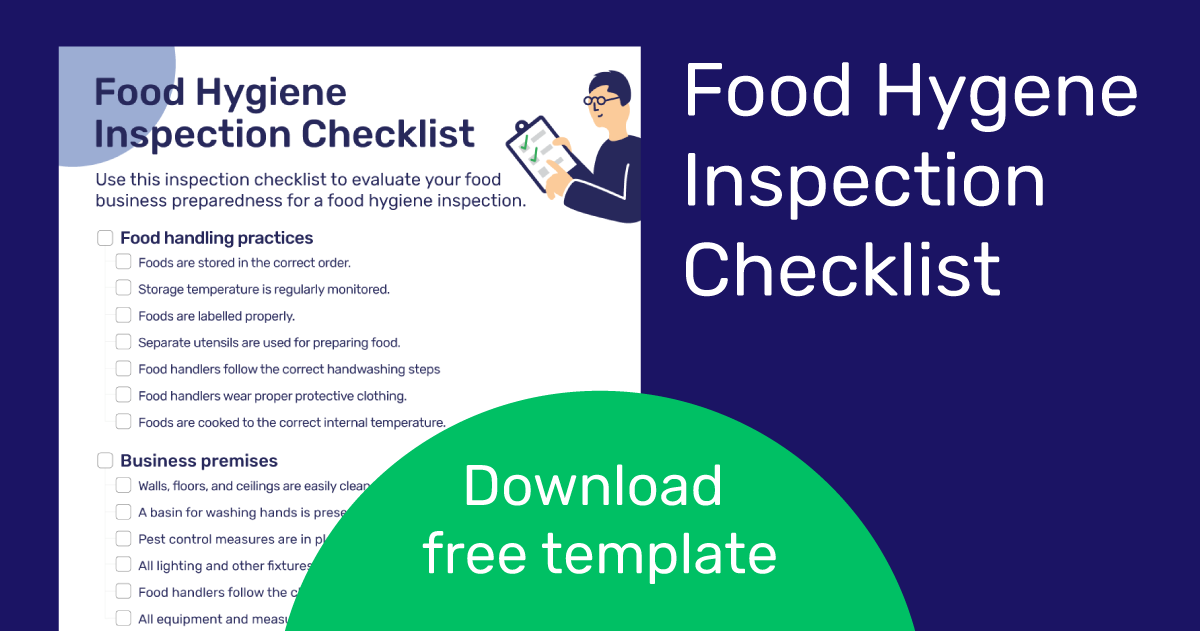
This helps assess whether food safety procedures are actually embedded into daily kitchen routines. You can use this free template to train your team in following food safety.
What are EHOs looking for during inspections?
EHOs mainly assess whether food safety systems work consistently in real operations.
They are not only checking paperwork. They are checking whether kitchen teams follow procedures during busy service periods, shift changes, deliveries, and cleaning operations.
Common focus areas include:
| Inspection area |
What EHOs check |
| Temperature control |
Safe cold holding, cooking, cooling, and reheating |
| HACCP implementation |
Whether hazards and controls are actively managed |
| Allergen management |
Accurate allergen communication and cross-contact prevention |
| Cleaning |
Cleaning schedules, verification, and equipment hygiene |
| Staff hygiene |
Handwashing, illness reporting, protective clothing |
| Food storage |
Date labelling, stock rotation, segregation |
| Documentation |
Accurate and consistent records |
| Operational consistency |
Whether procedures are followed across teams and shifts |
The UK Government food hygiene guidance and Food Standards Agency Safer Food Better Business guidance both emphasise the importance of maintaining documented food safety controls.
You can also use our EHO inspection checklist to be prepared for the next inspection.
How often do EHOs inspect food businesses?
Inspection frequency depends on the food hygiene risk rating of the business.
Higher-risk operations are inspected more frequently. Factors that influence inspection frequency include:
- Type of food handled
- Complexity of operations
- Vulnerable consumer groups
- Previous inspection results
- Food hygiene rating history
- Compliance record
- Complaint history
Healthcare catering and care home kitchens may receive closer attention because they serve vulnerable people.
Operations with strong compliance history and well-maintained food safety systems are generally considered lower risk.
Can an EHO close a kitchen?
Yes. EHOs can take enforcement action if there is an immediate risk to public health.
This may include:
- Hygiene improvement notices
- Seizure of unsafe food
- Emergency prohibition notices
- Temporary closure of operations
Examples of serious issues include:
- Pest infestations
- Severe cleaning failures
- Unsafe food temperatures
- Major cross-contamination risks
- Lack of hot water
- Repeated non-compliance
For hospitality groups, operational consistency across locations is critical because repeated failures can affect both compliance performance and brand reputation.
How to prepare for an EHO inspection
Preparation should be part of daily operations, not something done only before inspections.
Strong food safety teams usually focus on:
Standardised monitoring
Kitchen teams should consistently complete:
- Temperature checks
- Cleaning records
- Delivery checks
- Corrective actions
- Opening and closing checks
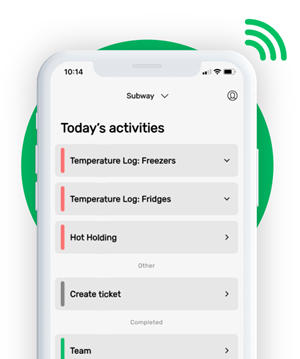
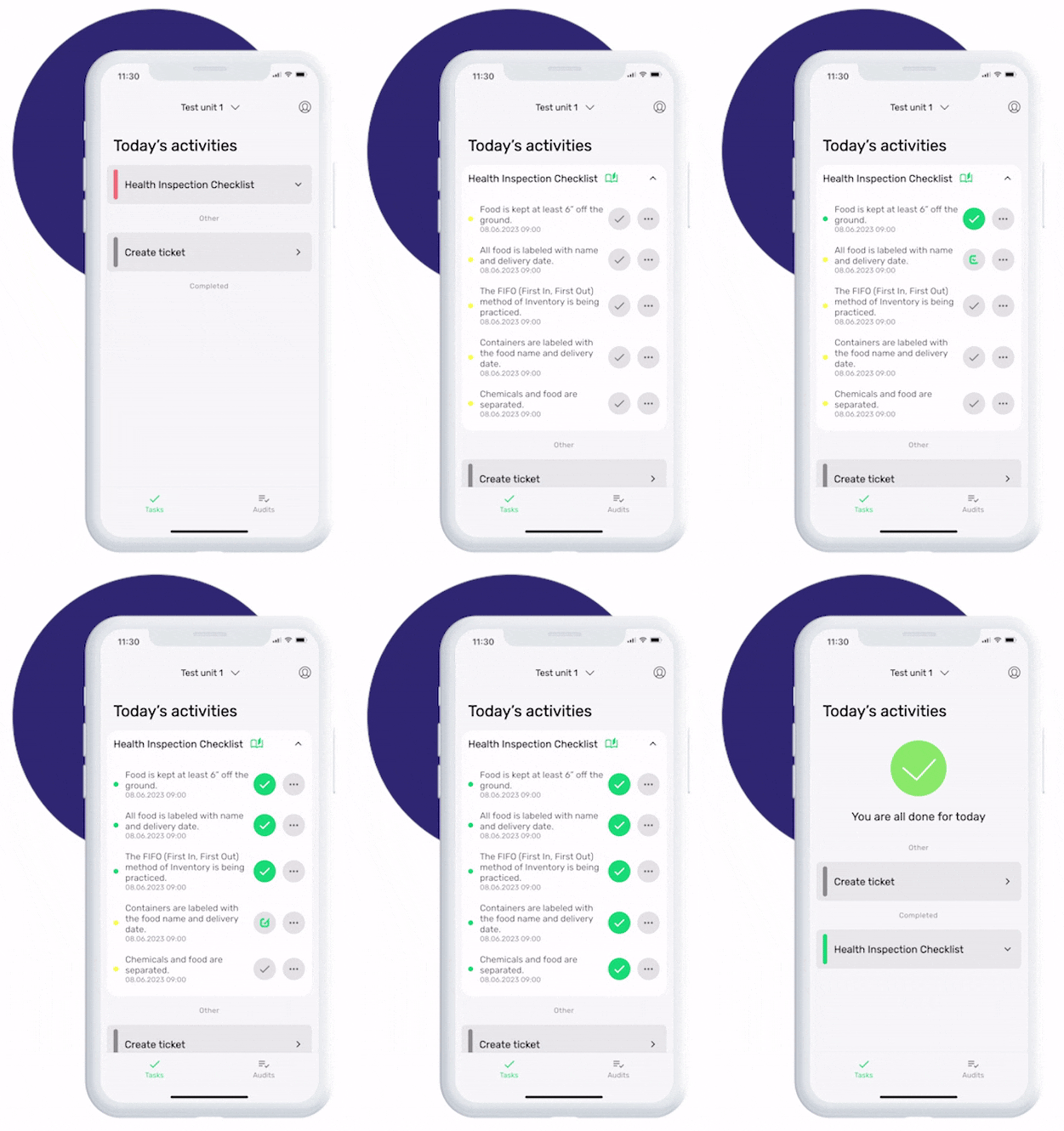
Many operations now use digital monitoring systems instead of paper records to reduce missed checks and improve visibility across locations.
Internal audits
Regular internal reviews help identify issues before official inspections.
Use structured audits, such as a food hygiene inspection checklist, to help standardise expectations across sites.
Staff training
Kitchen teams should understand:
- HACCP procedures
- Allergen controls
- Cleaning standards
- Corrective actions
- Safe food handling procedures
This is especially important during new site launches and operational transitions such as a restaurant soft opening.
Operational visibility
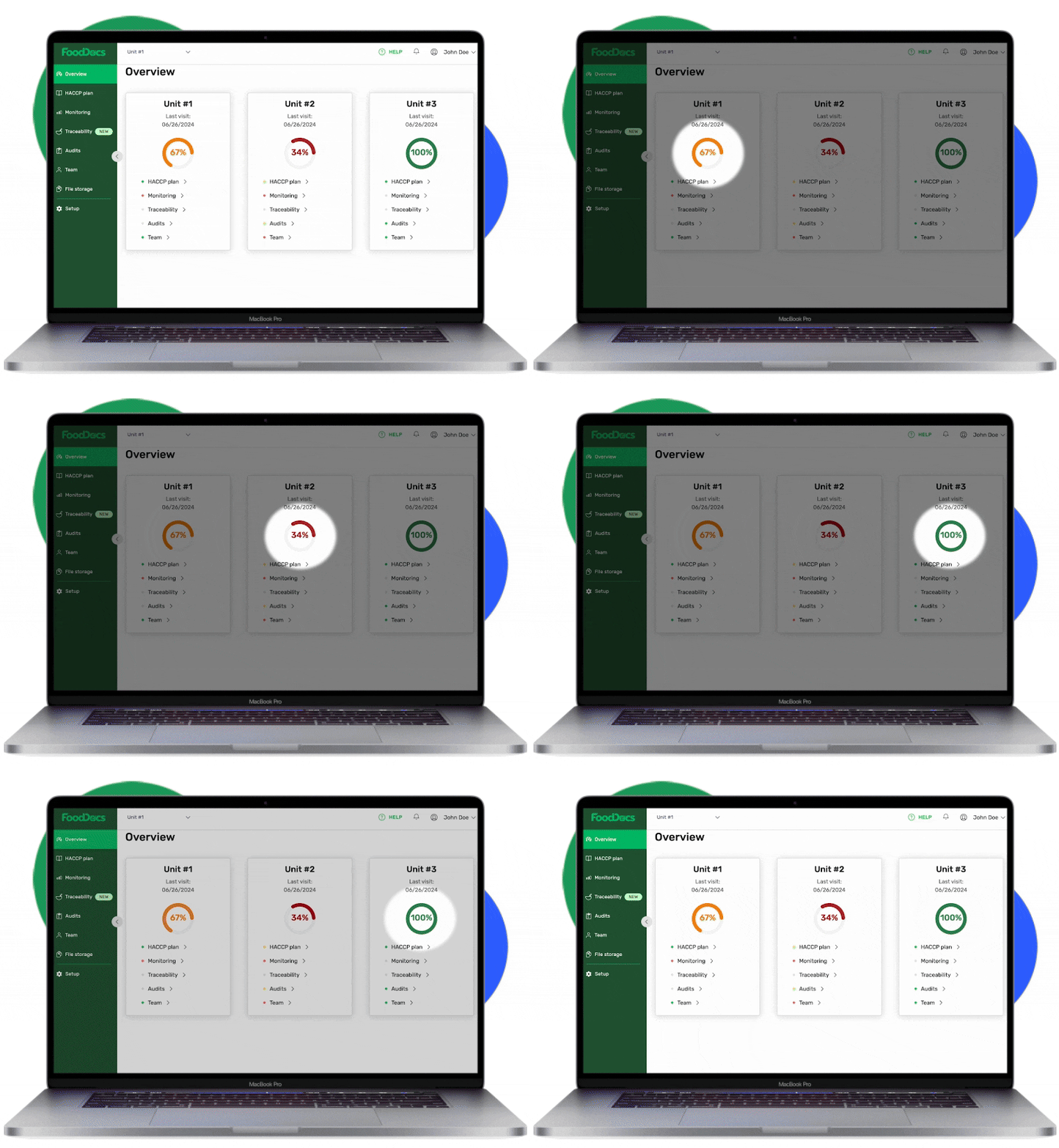
Regional managers and food safety leaders need visibility across locations to identify recurring compliance issues early.
This becomes harder with paper-based systems, especially in multi-site operations where records may be inconsistent between shifts or locations.
What food hygiene rating does an EHO give?
After the inspection, the EHO inspector may issue a Food Hygiene Rating Scheme (FHRS) score in England, Wales, and Northern Ireland.
Ratings range from:
- 5 = Very good
- 4 = Good
- 3 = Generally satisfactory
- 2 = Improvement necessary
- 1 = Major improvement necessary
- 0 = Urgent improvement necessary
Ratings are based on:
- Hygienic food handling
- Cleanliness and condition of facilities
- Confidence in management and food safety controls
Why operational consistency matters during inspections
One of the biggest challenges in hospitality and healthcare foodservice is maintaining consistent standards across teams, shifts, and locations.
EHOs often identify issues such as:
- Missed temperature checks
- Incomplete cleaning records
- Different procedures between sites
- Poor corrective action follow-up
- Inconsistent allergen controls
This is why many multi-site operations move towards standardised digital food safety systems that improve supervision and reduce manual paperwork.
For food safety leaders, inspections are not only about passing audits. They are also about proving that food safety controls work consistently in daily operations.
Frequently Asked Questions (FAQs)
To help you understand more about EHO inspection, here are a few of the most common questions asked regarding this topic: