Cooking temperature is one of the most important controls in food safety. Food should be cooked to a temperature that destroys harmful bacteria while maintaining food quality, texture, and consistency. In hospitality kitchens, care homes, and food-to-go operations, cooking is often a critical control point within a HACCP system.
Different foods require different cooking temperatures depending on the product, preparation method, and food safety risks involved. Measuring cooked food temperature correctly helps reduce the risk of foodborne illness, improves audit readiness, and supports consistent kitchen standards across sites.
ToC is currently active
Key points covered
Food should be cooked to a temperature that safely destroys harmful bacteria such as Salmonella and E. coli.
Cooking temperatures vary depending on the type of food and the required level of doneness.
Reheated foods should reach at least 74°C before service.
A calibrated probe thermometer is the most reliable way to check cooked food temperature.
Temperature checks should be recorded consistently as part of HACCP monitoring.
Cross-contamination can still occur after cooking if food handling practices are poor.
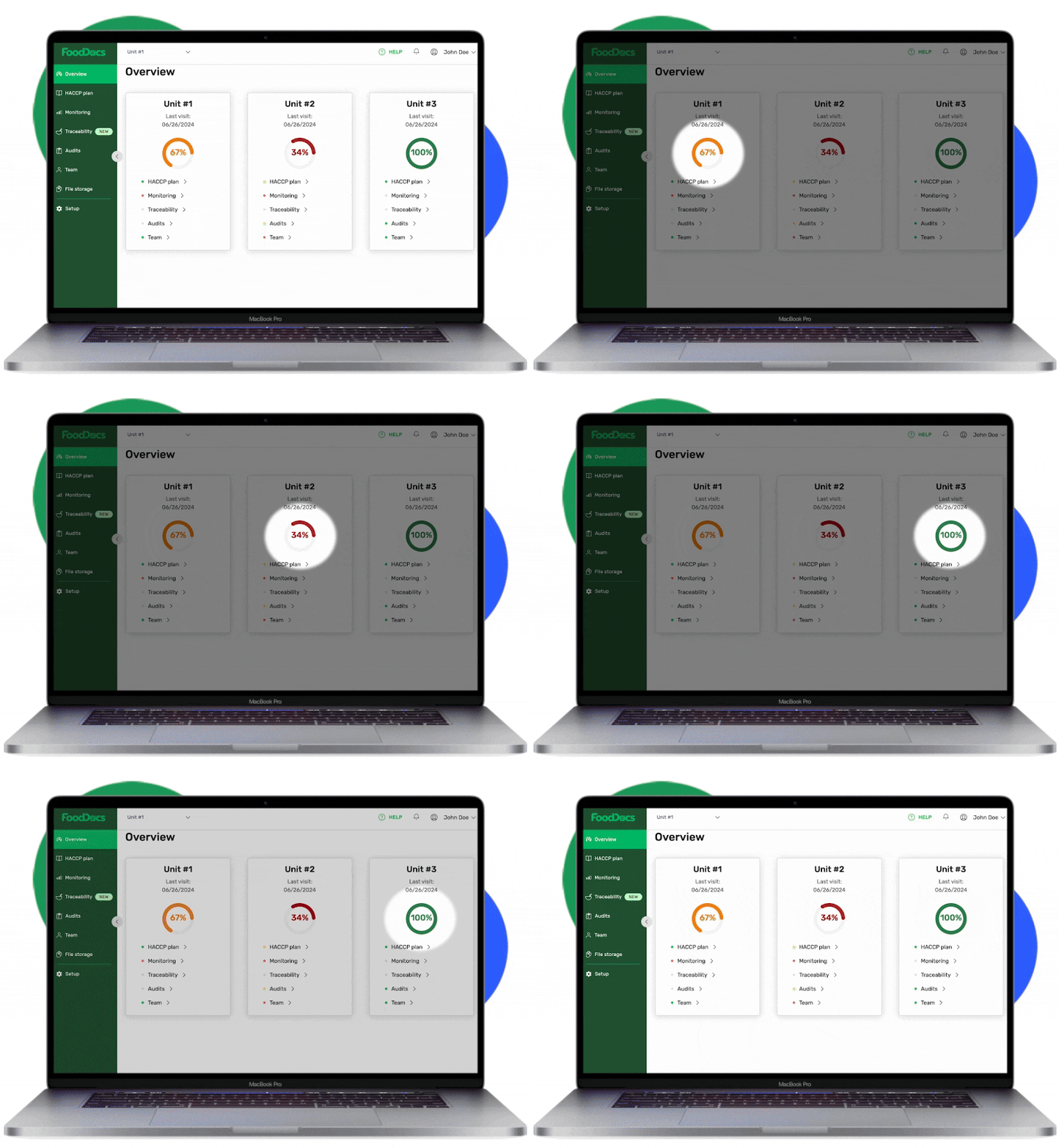
Digital monitoring systems like FoodDocs help standardise cooking temperature checks across multiple sites and saves time on training the team about correct temperatures.
What is cooking temperature?
Cooking temperature refers to the internal temperature reached at the centre of the thickest part of food during cooking. Measuring this temperature helps confirm that heat has fully penetrated the product and reduced harmful bacteria to safe levels.
Food should be cooked to a temperature that matches the product being prepared. Poultry, ground meat, seafood, reheated foods, and whole cuts of meat all require different target temperatures.
The most reliable way to check cooking temperature is with a calibrated food probe thermometer inserted into the thickest part of the food.
Why is cooking temperature important?
Cooking temperatures are important because harmful bacteria can survive if food is undercooked. Proper heat treatment reduces pathogens such as Salmonella, Campylobacter, Listeria, and E. coli to safer levels.
Cooking is often the final control step before food reaches customers. If the correct cooked food temperature is not reached, foodborne illness risks increase significantly.
In busy kitchen operations, inaccurate temperature checks can happen because of:
inconsistent monitoring
poorly calibrated thermometers
rushed service periods
incomplete staff training
missed records
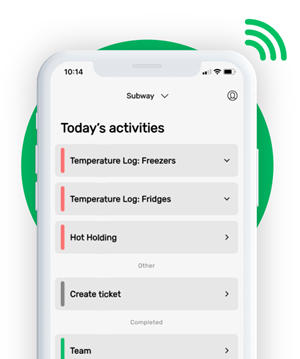
This is why many operations use structured monitoring procedures alongside tools such as a digital cooking temperature log to standardise checks across shifts and locations. Smart app notifications help your team keep track of and complete all daily food safety tasks on time.
According to the Food Standards Agency, food businesses must ensure food is thoroughly cooked and safe to eat before service.
Safe cooking temperatures for different foods
Different foods require different cooking temperatures to achieve safe internal cooking temperatures while maintaining product quality.
Poultry cooking temperature
Poultry should be cooked to a temperature of 74°C.
This applies to:
chicken
turkey
duck
goose
stuffed poultry
ground poultry products
Poultry is commonly associated with Salmonella and Campylobacter, which is why even slight undercooking increases food safety risks.
When checking cooked food temperature, insert the thermometer into the thickest part of the meat, usually the breast or thigh area.
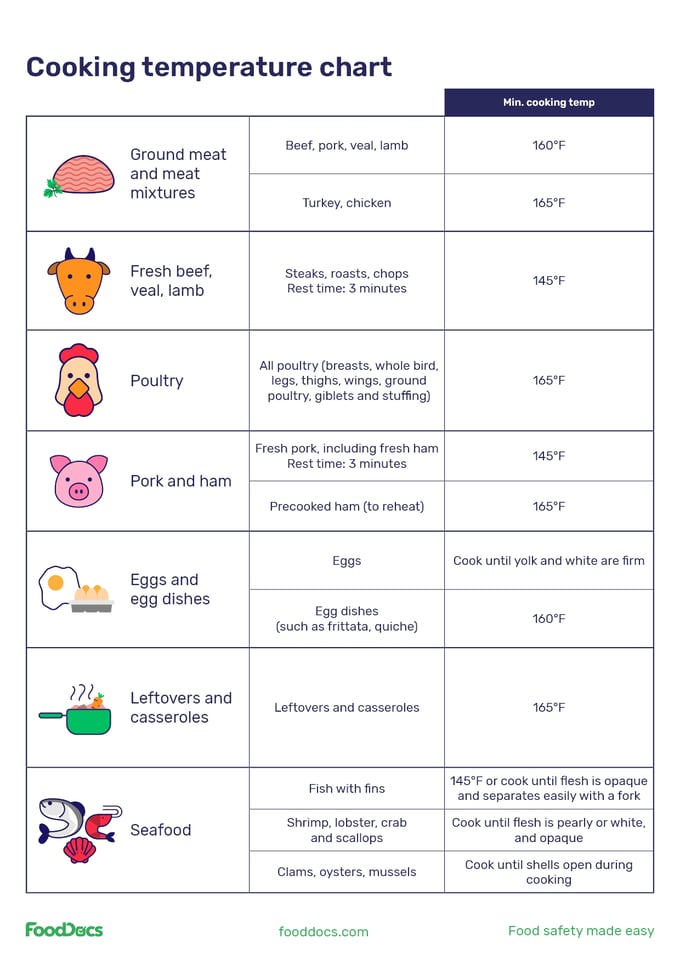
For alternative cooking combinations and kitchen reference charts, many kitchens use dedicated cooking temperature charts during service.
Beef and lamb cooking temperature
Whole cuts of beef and lamb are commonly cooked to:
63°C for medium-rare
71°C for medium to medium-well
Some operations may serve lower doneness levels, but this requires strong supplier controls, safe handling practices, and clear consumer advisories where required.
Ground beef and minced lamb should always reach 71°C because bacteria can spread throughout the product during mincing.
Pork cooking temperature
Pork should generally reach a cooked food temperature of 63°C followed by an appropriate rest period.
Ground pork products should reach 71°C.
Undercooked pork may carry risks linked to Salmonella, Listeria, and other pathogens.
Fish and seafood cooking temperature
Fish and seafood should generally reach 63°C.
Properly cooked fish should appear opaque and separate easily without becoming dry or rubbery.
Seafood can carry pathogens such as Vibrio, Norovirus, and Salmonella, especially when sourced from contaminated waters.
Egg dishes cooking temperature
Egg dishes should be cooked to 71°C.
This includes:
quiches
baked egg dishes
scrambled eggs prepared in bulk
sauces containing eggs
Proper cooking is particularly important in healthcare catering and care home kitchens where vulnerable groups are present.
Reheating temperature
Reheated food should be cooked to a temperature of at least 74°C before service.
This applies to:
sauces
gravies
soups
leftovers
batch-cooked foods
Food should be reheated quickly and evenly. Stirring helps distribute heat properly through the product.
Operations managing reheating procedures often combine cooking checks with structured food reheating temperature records to maintain consistency during service.
How to measure cooked food temperature correctly?
A calibrated food thermometer is the most accurate way to measure the temperature of cooked food.
To measure temperature correctly:
Clean and sanitise the thermometer probe
Insert the probe into the thickest part of the food
Avoid touching bone, trays, or cookware
Wait for the reading to stabilise
Record the temperature
Clean and sanitise the probe again
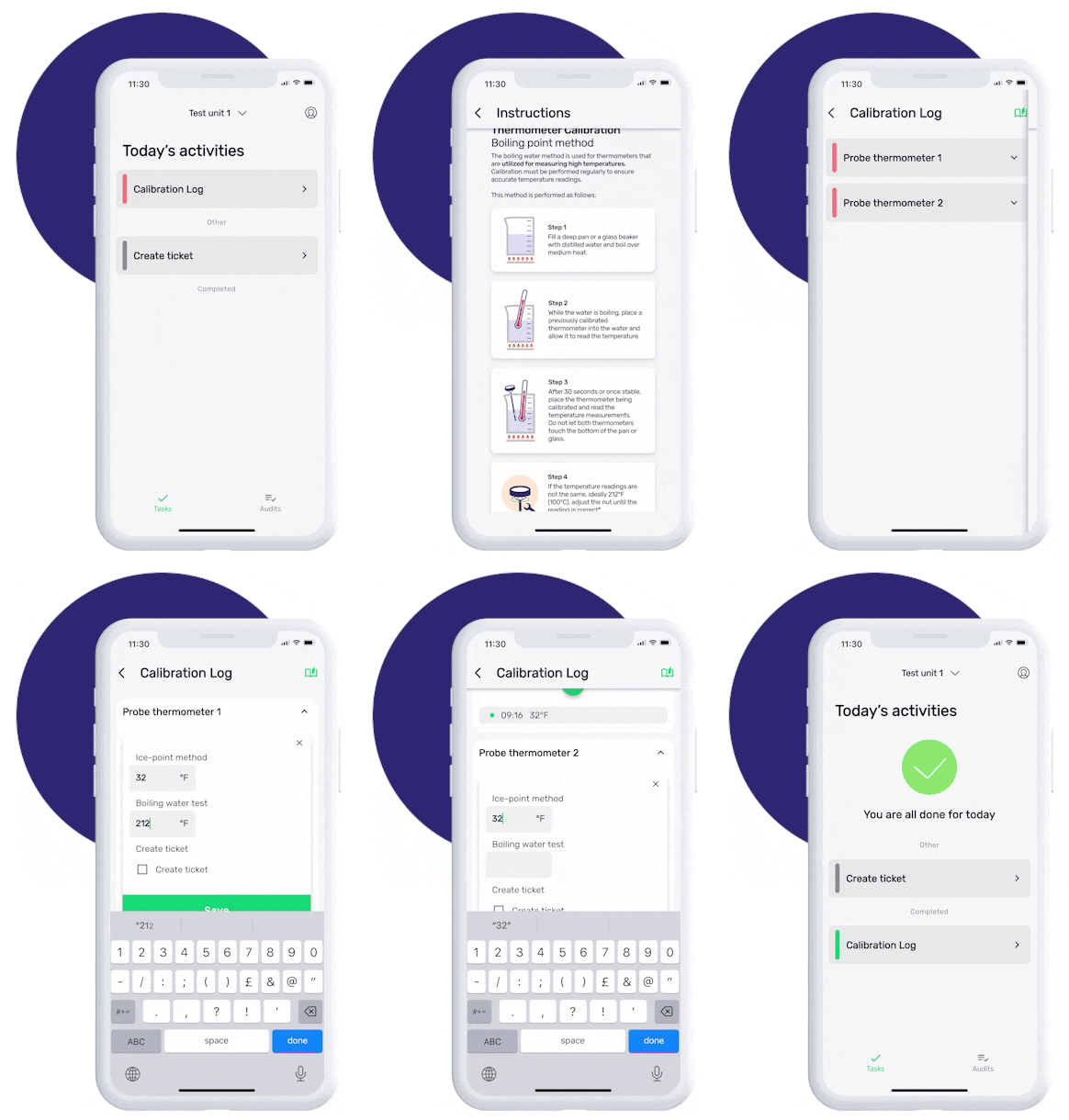
Digital calibration logs help teams complete calibrations correctly, saving food safety leaders time on training.
Why thermometer calibration matters?
Thermometers can lose accuracy over time, especially in high-volume kitchens where they are used repeatedly throughout the day.
Calibration helps ensure temperature readings remain accurate.
Thermometers should be calibrated:
when newly purchased
after being dropped
after long periods of storage
after heavy daily use
when readings appear inaccurate
The two most common methods are:
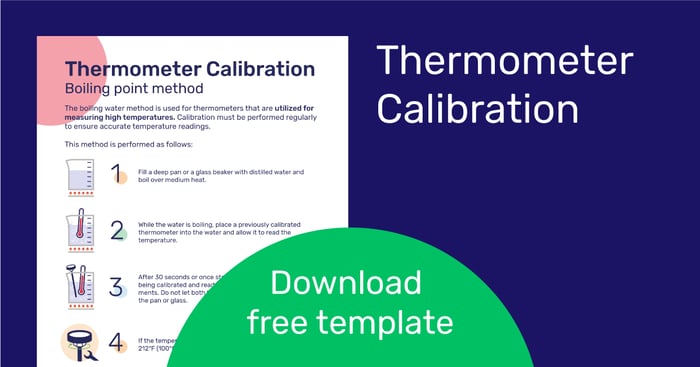
boiling point calibration
ice point calibration
Accurate calibration records support EHO inspections and food safety verification procedures.
Common cooking temperature mistakes
Several operational issues can prevent food from reaching safe cooking temperatures:
checking temperature too close to the surface
using uncalibrated thermometers
overcrowding ovens or fryers
cooking directly from frozen without adjustment
failing to stir reheated foods
relying on colour instead of temperature
Colour alone is not a reliable food safety indicator. Some meats can remain pink even when safe cooking temperatures are reached.
Safe cooking practices in commercial kitchens
Cooking temperature controls work best when combined with strong day-to-day food safety practices.
Kitchen teams should:
wash hands properly
avoid cross-contamination
separate raw and ready-to-eat foods
sanitise food contact surfaces
store chilled foods below 5°C
keep hot foods above 63°C
follow documented HACCP procedures
In multi-site operations, digital monitoring systems can help standardise temperature checks, improve visibility across locations, and reduce missing records during audits.
FoodDocs helps kitchens automate cooking temperature records, calibration logs, corrective actions, and daily monitoring workflows through a digital food safety management system built for hospitality and healthcare operations.
According to the NHS, proper cooking and storage temperatures are essential for reducing food poisoning risks, particularly for vulnerable groups.
Frequently asked questions
What temperature should food be cooked to?
Food should be cooked to a temperature that safely destroys harmful bacteria. Poultry should reach 74°C, while many whole cuts of meat and fish are commonly cooked to 63°C or higher depending on the product.
What is the minimum safe cooking temperature for poultry?
Poultry should reach a minimum internal cooking temperature of 74°C.
Is colour a reliable way to check if food is cooked?
No. Colour is not always reliable. The safest method is using a calibrated food thermometer.
What is the danger zone for cooked food?
The temperature danger zone is generally between 5°C and 60°C. Bacteria multiply fastest within this range.
Why should reheated food reach 74°C?
Reheating to 74°C helps reduce bacteria that may have grown during storage or cooling.
How often should thermometers be calibrated?
Thermometers should be calibrated regularly, especially after drops, heavy use, or inconsistent readings.